AI Glass Damage Detection: How Glass Repair Networks Automate Repair vs Replace Decisions
Inspektlabs is an independent world leader in smartphone camera-based digital car inspections for windshield damage. The Al-based damage assessment framework increases "prospect-to-customer" conversions for shops and accelerates the repair experience for car owners.
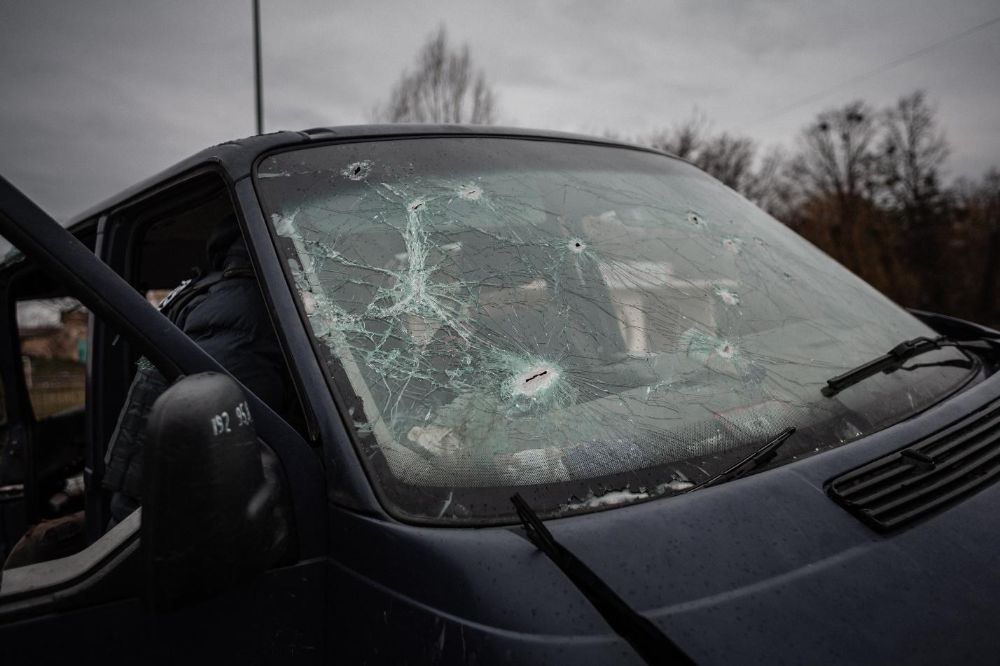
Approximately 15 million windshields are replaced in the United States every year. A significant portion of those replacements are unnecessary. When a chip or short crack is within a repairable range and location, repair is faster, cheaper, and preserves the original factory seal. Knowing which applies requires an accurate damage assessment, and that assessment is where manual processes consistently fall short.
Inspektlabs' AI glass damage detection analyses crack type, size, and location from guided smartphone capture. It determines the correct repair or replace outcome in seconds, with 90 to 95% accuracy. For glass repair networks and motor insurers, this replaces subjective technician calls with consistent, documented, data-driven decisions. See how the technology works for real-time glass damage detection using edge computing.AI glass damage detection is a technology that enables automated repair vs replace decisions using computer vision.
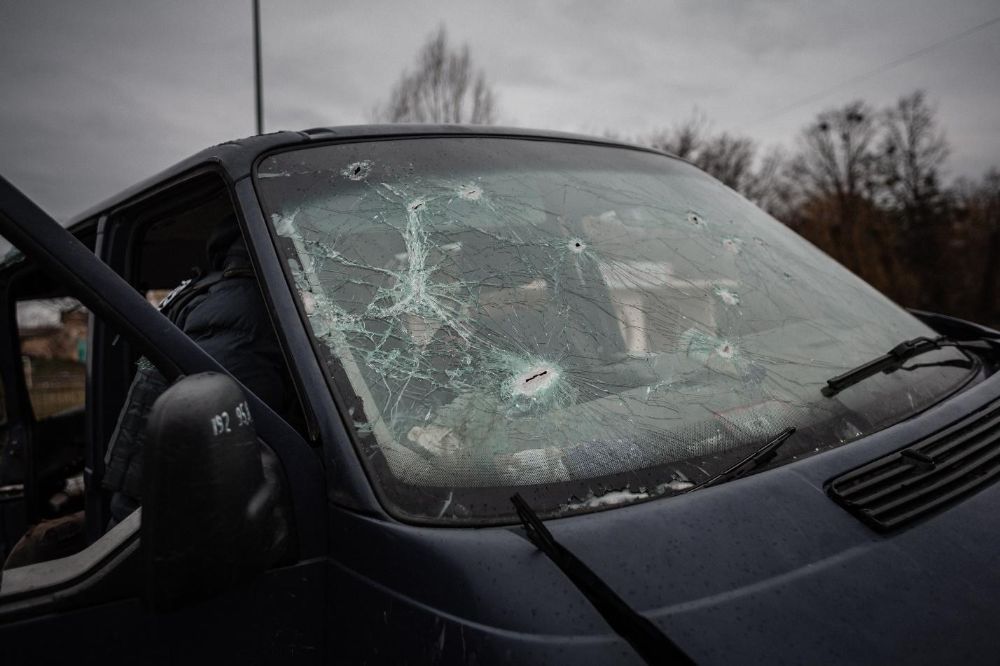
Why Repair vs Replace Decisions Are Critical for Glass Repair Networks
Getting the repair vs replace call wrong has a direct financial cost in both directions.
An unnecessary replacement costs the insurer or customer significantly more than a repair. Windshield repairs typically range from $60 to $100 per chip. Replacements average $200 to $500 for standard vehicles and rise to $500 to $1,500 when ADAS calibration is required. A missed opportunity to repair drains claims budgets and inflates cost-per-claim metrics.
Misrouted appointments carry a different cost. A customer arrives for a repair, but the damage requires replacement. Or they book a replacement, arrive, and learn a repair would have sufficed. Either scenario wastes technician time, disrupts scheduling, and damages customer confidence in the network.
For glass repair networks managing multiple shops, this inconsistency compounds. Different technicians make different calls on the same damage type. There is no standardised baseline. Claims data becomes unreliable. Insurance partners lose confidence in the network's assessment quality. Standardized AI assessments also improve fraud detection by making it easier to spot manipulated inspection images, repeated damage submissions, and repair requests that don't match the actual condition of the glass. This helps insurers reduce unnecessary payouts while keeping genuine claims moving quickly.
Accurate, automated glass damage assessment addresses all three outcomes simultaneously.
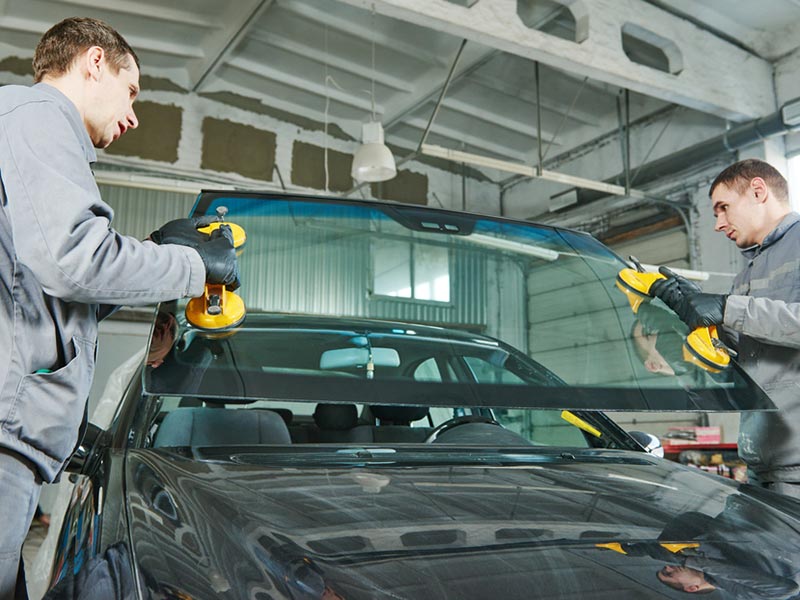
Challenges in Manual or Traditional Glass Damage Assessment
Manual glass assessment faces three recurring problems that AI technology is specifically designed to address.
Difficult to capture accurately: Windshields are highly reflective. Poor lighting, weather conditions, and unavoidable glare make it hard to photograph damage consistently. Images submitted by customers without guidance are often out of focus, too bright, or missing the damage area entirely. Even trained technicians struggle to assess severity from low-quality photos.
Inaccurate appointments and misrouting: Customers cannot reliably self-assess whether damage needs repair or replacement. They book appointments based on their interpretation of the damage, and they get it wrong a significant proportion of the time.
Inconsistent decisions across the network: Manual assessments are subjective. Severity thresholds vary between technicians. Two shops in the same network may reach different conclusions on identical damage. This inconsistency makes it impossible to standardise service quality, quote accurately, or build reliable claims data for insurer partners.
How AI Glass Damage Detection Works
AI glass damage detection replaces the judgment call with a structured, data-driven process. The entire assessment runs from a customer's smartphone, without requiring a technician to be present.
The platform is built on AI-powered damage detection infrastructure that handles image quality validation, damage classification, and decision logic in a single processing pass. The AI workflow can also verify image authenticity and identify suspicious submissions before claim decisions are made.
Learn more about how AI detects vehicle inspection fraud in real-world insurance and mobility workflows.
Steps in AI Glass Damage Detection
- Guided image capture ensures high-quality inputs: The customer receives a link to the Inspektlabs web app. No download is required. The guided capture flow prompts the customer to photograph the damaged area from the required angles. The app recognises and compensates for common capture problems: glare, reflections, rain on the glass, and insufficient lighting. Substandard captures are rejected before the AI assessment runs.
- AI identifies the glass damage region: The submitted images are processed by the AI model, which identifies the location of the damage on the glass surface. Each image is preprocessed to remove noise and reduce the effect of lighting artefacts before the detection model analyses it.
- Damage is classified by type: The AI classifies the damage into the relevant category: chip-off, crack, bull's-eye, star break, partial bull's-eye, combination break, or missing glass. Each type has different repairability characteristics, and the classification determines which assessment logic is applied next.
- Severity is calculated based on size and location: The AI measures the extent of the damage and maps its location on the windshield. Two factors determine the outcome: damage size (whether it falls within the repairable threshold for its type) and location relative to the driver's primary viewing area. Damage within that central zone has a lower tolerance for repair, regardless of size.
- Decision engine determines repair or replacement: Based on the damage classification, size measurement, and location mapping, the system determines whether the glass can be repaired or must be replaced. This decision reflects established glass repair industry standards applied consistently to every submission. If replacement is indicated, the system also identifies the correct OEM part number and part cost using external reference data.
- Report is generated for the repair network or insurer: A structured assessment report is produced automatically. It documents the damage type, severity, location, and the repair or replace recommendation. For shops with pricing integration, the report also includes the repair cost estimate or the replacement part quote, ready for the technician or claims handler to act on.
How does Inspektlabs Automate Repair vs Replace Decisions?
The decision logic in Inspektlabs' system applies two criteria to every glass damage submission: the size of the damage and its position on the windshield.
Damage size is assessed against the repairability threshold for each damage type. A single chip under a defined diameter is typically repairable. A crack over a defined length is not, regardless of position. The AI measures these dimensions from the submitted imagery rather than relying on a customer's description.
Position determines the viewer sensitivity of the damage. Damage that falls within the driver's primary viewing area, i.e., the central zone of the windshield directly in the driver's line of sight, is assessed more conservatively. Even damage that might be repairable by size alone can warrant replacement when it is in this area, because any residual optical distortion after repair affects driving safety.
When replacement is required, Inspektlabs cross-references external OEM data sources to identify the correct part number and current part cost for the specific vehicle. This gives repair shops and insurers an immediate parts estimate alongside the recommendation, without requiring a separate manual lookup.
Inspektlabs also operates across the full vehicle inspection scope. Glass damage assessment is part of a complete vehicle condition report that covers all exterior and interior components. This allows insurers and fleet operators to run glass and general damage assessment in a single inspection workflow, rather than running separate processes.
Business Impact for Glass Repair Networks
The operational outcomes for glass repair networks using AI damage assessment are measurable across three areas. For the claims estimation component, see automated claim estimation.
Fewer misrouted appointments: When the repair vs replace decision is made accurately before the appointment is booked, the customer arrives with the right job scope already confirmed. Technicians have the correct inventory ready. Time is not wasted on reassessment or rebooking. This alone reduces operational waste across a network significantly.
Faster conversion from first contact to confirmed booking: A customer who sends photos via the web app receives a repair or replace recommendation immediately. They do not need to visit the shop for an initial assessment. The decision is made during the first contact. Shops that integrate Inspektlabs into their customer journey convert more enquiries to confirmed appointments because the ambiguity is resolved before the customer has time to reconsider.
Standardisation across the network: Every shop in the network applies the same assessment criteria, because the AI model is consistent regardless of location, technician experience, or local conditions. Insurer partners receive assessment data that is comparable across all shops in the network. Quality benchmarking becomes possible. Claims data becomes reliable.
The broader context matters here too. ADAS calibration is now required in 80% of new windshield replacements, according to industry data. An unnecessary replacement does not just cost more in glass, but also triggers an ADAS recalibration that adds $150 to $300 to the total job cost. Preventing unnecessary replacements through accurate AI assessment has a compound financial benefit.
Reduced fraudulent glass claims: AI also helps reduce fraudulent windshield claims by identifying manipulated inspection media, repeated submissions, and damage that existed before the reported incident. This enables repair networks and insurers to make consistent repair-versus-replace decisions while minimizing unnecessary payouts.
AI vs Manual Glass Inspection
The table below compares the two approaches across the factors that matter most to glass repair network operators and their insurance partners.
For the broader comparison across all vehicle inspection types, see manual vs automated vehicle inspection.
AI Glass Damage Assessment
Decide repair vs replace instantly with AI-powered inspection
Analyze cracks, chips, and severity in seconds to make faster, consistent decisions for claims and repair workflows.
Where AI Glass Damage Detection Is Used
AI glass damage detection is used by motor insurers, glass repair shops, and franchised networks to automate repair-vs-replace decisions.
How Do Insurers Use AI Glass Claims Automation?
Insurers use AI glass damage detection to verify damage and determine repair vs. replace within seconds of a policyholder submitting photos, without scheduling a field assessment. Glass damage is one of the most frequent claim types in comprehensive motor insurance. When a policyholder reports a chip or crack, the insurer needs to verify the damage, determine repair vs replace, and issue a claim decision quickly.
Without AI, this requires scheduling a field assessment or asking the policyholder to visit an approved shop. With AI, the policyholder submits photos through a guided flow immediately after the incident. The damage is assessed within seconds. The insurer receives a structured report confirming damage type, severity, location, and recommendation before the claim file is even assigned to a handler. The inspection can support fraud screening by identifying manipulated inspection media, duplicate submissions, and pre-existing damage before settlement, helping insurers process genuine glass claims with greater confidence.
This integrates directly with the insurer's claims workflow via API. Claims that meet straight-through processing criteria move to settlement without manual review. Claims requiring further scrutiny are flagged with the specific assessment output already populated in the claim file. For more on the underlying detection infrastructure, see Inspektlabs' core AI inspection technology.
How Do Glass Repair Shops Use AI Damage Detection?
Glass repair shops use AI damage detection before an appointment is booked, so technicians arrive with the correct job type and parts already confirmed. For repair shops, the value is in the pre-appointment workflow. A customer contacts the shop by phone, web form, or app and submits photos. The AI assessment determines whether repair or replacement is needed before the appointment is confirmed. The shop can schedule the correct job type with the right materials ready.
For franchised glass repair networks, the same AI engine runs across every participating shop. Assessment quality does not depend on which shop handles the enquiry. Customers receive the same standard of assessment whether they contact a shop in London, Dubai, or Singapore.
Integration with shop management systems via API means the repair or replace recommendation, part number, and cost estimate feed directly into the job ticket. Technicians open a pre-populated file rather than starting a manual assessment from scratch.

The Bottom Line
The repair vs replace decision is a high-frequency, high-stakes call for glass repair networks and insurers. Getting it wrong in either direction creates cost, operational waste, and customer friction. Getting it right consistently at scale is not achievable through manual assessment alone.
AI glass damage detection gives repair networks and insurers the accuracy, speed, and consistency to make the right call every time before the technician is dispatched and before the appointment is confirmed.
Frequently Asked Questions
How does AI decide to repair or replace the windshield?
The AI assesses two factors for every submission: the size of the damage and its location on the windshield. Damage within the repairable size threshold for its type is assessed for repair. Damage that falls within the driver's primary viewing area is assessed more conservatively because optical clarity in that zone is a safety requirement. When replacement is indicated, the system also identifies the correct OEM part number and cost.
What types of glass damage can AI detect?
Inspektlabs detects chip-offs, cracks, bull's-eye breaks, star breaks, partial bull's-eyes, combination breaks, and missing glass. Each type is classified separately because repairability differs between them. A small bull's-eye and a short surface crack may both be under the size threshold, but the AI applies the appropriate logic for each damage type when calculating the outcome.
How does AI improve auto glass repair shop operations?
AI glass damage detection reduces misrouted appointments by confirming the job type before the customer arrives. It standardises assessment quality across all shops in a network so that the same damage produces the same recommendation regardless of which shop handles it. It also generates repair cost estimates and part numbers automatically, reducing the manual lookup work for technicians.
Can AI glass damage detection integrate with insurance claims systems?
Yes. Inspektlabs operates as an API-first platform. The glass damage assessment output, covering damage type, severity, location, repair vs replace recommendation, and part cost where applicable, connects to claims management systems via API. Claims meeting straight-through processing criteria can move to settlement without manual handler involvement.
What digital tools help manage vehicle glass repairs?
AI-powered inspection platforms like Inspektlabs provide guided photo capture, automated damage classification, repair vs replace decisioning, OEM part lookup, and claims integration in a single workflow. For glass repair networks, this replaces manual assessment at the point of customer contact with a digital process that completes before the appointment is booked.
Who uses AI glass damage detection?
Motor insurers, glass repair shops, and franchised repair networks use AI glass damage detection to automate repair-vs-replace decisions and standardize assessment quality across every point of contact.
What is the best inspection software for glass damage detection?
The best glass damage inspection software combines guided capture that works in real-world conditions, an AI model trained specifically on glass damage types and patterns, a repair-vs.-replace decision engine based on size and location criteria, OEM part integration for replacement cases, and API connectivity for claims and shop management systems. Inspektlabs covers all of these in a single platform used by insurers and glass repair networks across the USA, EU, Middle East, and APAC.