How Long Does a Car Inspection Take? | [30-90 Min Guide]
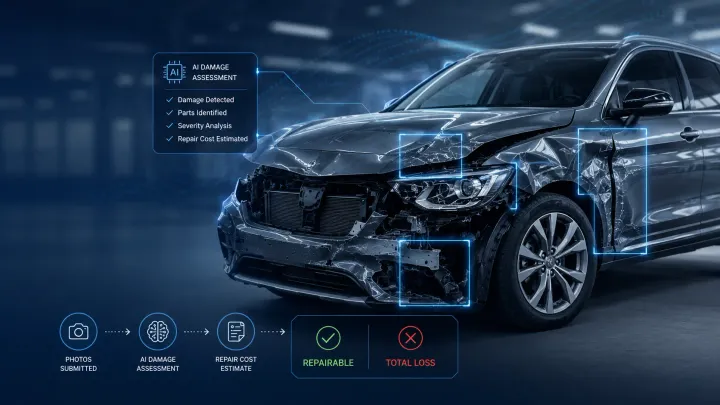
While traditional inspections can take days or weeks, digital vehicle inspections exponentially reduce the time required to just a few minutes. This factor promotes efficiency and ensures that the vehicles can get back on the road safely without delay.
![How Long Does a Car Inspection Take? | [30-90 Min Guide]](/blog/content/images/size/w1200/2022/11/2.jpg)
A typical car inspection takes between 30 minutes and 3 hours, depending on the inspection type, your vehicle's condition, and where you take it. If you are wondering how long vehicle inspection takes because you are planning your day around an appointment, the answer really depends on what kind of inspection you need.
How long is a car inspection? There is no single answer, but this guide gives you a clear breakdown. We cover every inspection type, what happens at each step, what slows things down, and how to cut the time significantly if speed matters to you.
How Long Do Car Inspections Take? (By Inspection Type)
It depends on which inspection you take, Emission or Safety.
Not all inspections are the same. A simple emissions scan and a detailed pre-purchase check are completely different processes. Below is an estimate of how long each inspection typically takes.
- Basic Safety Inspection A basic safety inspection covers your brakes, tyres, lights, and steering. On a vehicle in good condition, most technicians can get through this in 30 to 45 minutes. If a problem is found, additional assessment time gets added on top.
- Emissions / OBD-II Test On a modern vehicle with an OBD-II port, the diagnostic scan itself takes as little as 5 to 10 minutes. But factor in waiting, paperwork, and handover, and the total time usually sits between 15 and 30 minutes. Older vehicles without OBD-II systems require a physical tailpipe test, which takes longer.
- Safety + Emissions Combined When both tests are run at the same facility, the combined process takes between 45 and 75 minutes. The actual variation depends on how busy the centre is and how smoothly the workflow runs between departments.
- Pre-Purchase Inspection (Used Car) This is the most thorough type available to a private buyer. A mechanic goes through the engine, transmission, bodywork, underbody, electrical systems, and more. Set aside 1 to 3 hours. It is time well spent, especially when you consider the cost of buying a car with hidden damage.
- Annual Comprehensive Inspection An annual inspection covers more ground than a basic check. Expect 1 to 2 hours, with older or higher-mileage vehicles sitting toward the upper end of that range.
- Fleet Vehicle Inspection (Manual) Fleet inspections are where manual processes really show their cost. Each vehicle takes 1 to 2 hours, and across a fleet of even 50 vehicles, that adds up to a serious operational drain every inspection cycle.
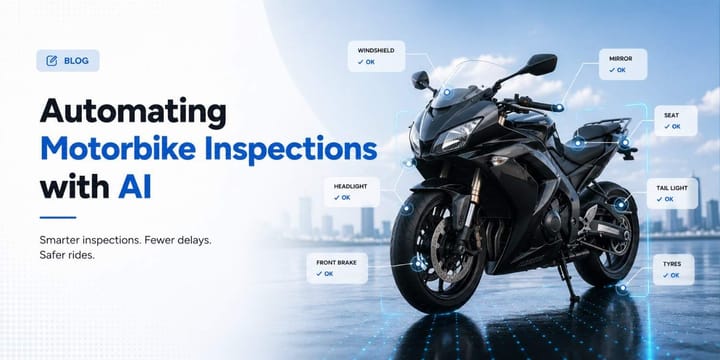
- AI-Powered Digital Inspection An AI-powered inspection takes 3 to 5 minutes. The operator captures photos or video of the vehicle using a smartphone, and the system automatically generates a detailed damage report. No travel, no appointment, no waiting.
AI Vehicle Inspection
Complete inspections in minutes, not days
Automate vehicle inspections with AI-powered photo and video analysis.
What Happens During a Car Inspection?
Knowing how long it takes to inspect a car is easier when you understand what actually happens at each step. Here is the typical process for a standard safety inspection, with approximate time for each stage.
The documentation check is straightforward, where the technician confirms your registration, insurance, and ID before the physical work begins. This is usually done in five minutes or less.
Lighting and signals are quick to check but easy to fail. A single fused bulb can delay the entire process due to delays in sourcing replacements. Brake inspection is one of the more time-consuming steps because the technician checks both brake pad depth and the condition of the rotors or drums.
The emissions or OBD scans vary the most. While the scan can be completed in under 10 minutes for newer vehicles, older models require a physical exhaust test, which takes longer and requires specialist equipment.
Generating reports using traditional inspection methods requires a technician to fill out forms, which takes longer than expected. This step is nearly instant when using modern digital workflows.
Factors That Affect Car Inspection Time
Even if you know the typical range, real-world inspection times can shift quite a bit. Here are the main factors that determine how long it takes to get your car inspected.
- Scheduling and Appointments Walk-in inspections at busy centres can mean waiting 30 to 60 minutes before your vehicle is even looked at. Booking an appointment in advance cuts this down significantly. Many facilities now offer online booking, which is worth using.
- Location Companies usually don’t account for the travel time involved in manual vehicle inspections. If you need to drive to an inspection centre across town, that is an hour or more added to your day. For fleet operators, this problem multiplies. When vehicles are spread across multiple sites, a human inspector may need to travel to each location, making the total turnaround time far longer than the inspection itself.
- Vehicle Age and Condition Newer, well-maintained vehicles move through inspections faster. Older vehicles or those with visible wear take longer because there is simply more to assess and document. A vehicle flagged for a potential failure may also require additional tests before the inspector can sign it off.
- Type of Inspection Required A state-mandated safety inspection and a private pre-purchase inspection are very different in scope. How long a car state inspection takes is generally shorter than a private inspection because the checklist is fixed and standardised. A private inspection is far more comprehensive and naturally takes longer.
- Facility Equipment and Staffing A facility with well-maintained equipment and sufficient staff can process vehicles faster. However, workshops with limited resources to work with are bottlenecked during report generation and administration.
- Digital vs. Manual Process This is the biggest differentiating factor. Manual inspections require the inspector to be physically present, file paper-based reports, and deal with scheduling. Remote vehicle inspection solutions, particularly the ones powered by AI, remove most of those constraints. A process that takes an hour manually can take five minutes digitally.
If you're evaluating whether to reduce inspection time altogether, see our comparison of manual vs automated vehicle inspection.
How Long Does a Car Inspection Last?
This question has two interpretations, and both are worth addressing.
If you are asking about validity, state safety inspection stickers in the US are typically valid for one to two years depending on the state, with most states requiring annual renewal. In the UK, an MOT certificate is valid for one year from the date of the test.
Pre-purchase vehicle inspection reports document the vehicle's condition at the time of inspection and have no ongoing validity. A vehicle can develop new issues within days of being inspected.
For fleet operators, inspection records should be maintained on a rolling basis and updated after every inspection cycle.
AI inspection reports generated using solutions like Inspektlabs are timestamped and digitally stored. This makes them easy to find during audits, insurance claims, or future dispute resolution.
How to Speed Up Your Car Inspection
Whether you are a car owner or a fleet manager, there are straightforward ways to reduce the time spent on inspections.
- Book an appointment in advance. Walk-in queues at testing centres can add 30 to 60 minutes before your car even gets looked at. Most facilities now offer online booking, which makes this easy.
- Check the basics before you go. Tyre pressure, working lights, and correct fluid levels are among the most common reasons for a failed first inspection. Spending 15 minutes on these checks before your appointment can save you the cost and time of a return visit.
If you're unsure what to look for, follow our step-by-step guide on how to do a car inspection before your appointment to identify common issues early. - Bring all required documents. Your registration certificate, proof of insurance, and a valid ID should be ready before you arrive. Missing paperwork causes delays that could have been avoided entirely.
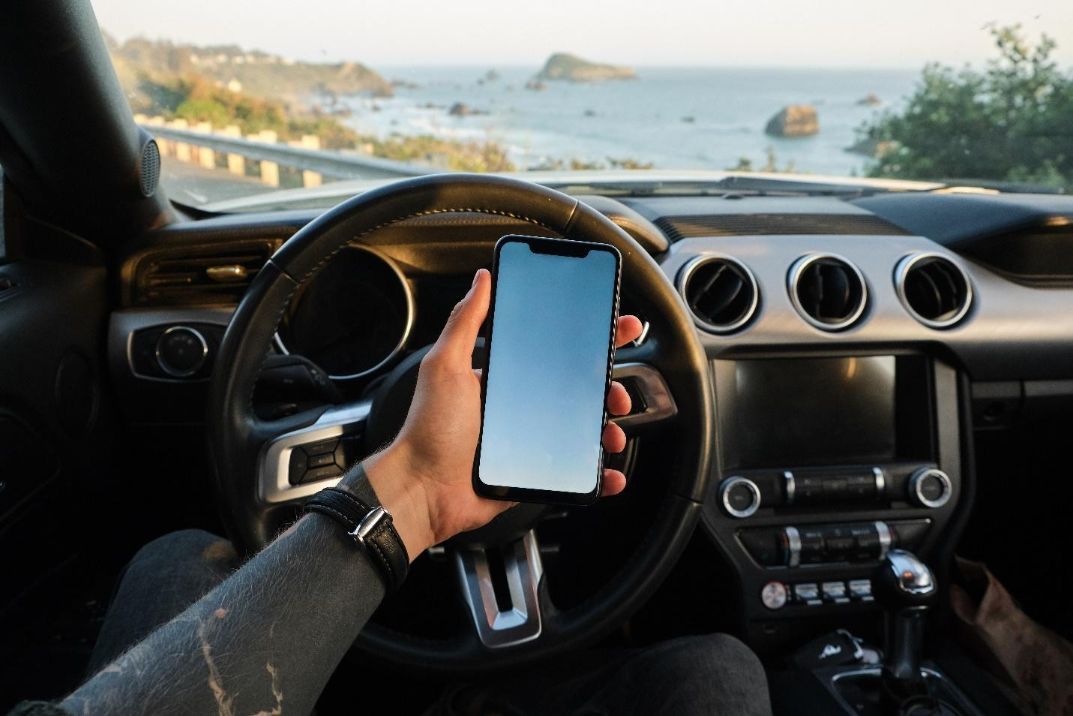
- Consider a digital inspection option. Where available, digital vehicle inspection eliminates the need to travel to a facility. This is especially valuable for fleet companies, rental operators, and insurers who are managing large volumes of vehicles across different locations.
Before booking an inspection, it's also worth understanding how much a car inspection costs, as pricing varies depending on the inspection type and region.
How AI and Digital Inspections Reduce Inspection Time
Traditional inspections come with a built-in set of inefficiencies. You book an appointment, travel to a facility, wait for a technician, go through the inspection, and then wait again for a report to be processed. For a single vehicle, that might take half a day. For a fleet of 200 or 500 vehicles, it becomes a major operational problem that compounds every inspection cycle.
This is where digital vehicle inspection software and AI-powered solutions make a real difference.
An AI car inspection works through guided photo or video capture using a smartphone or a fixed camera system. The vehicle owner, driver, or fleet operator captures the vehicle from a required set of angles. The AI analyses the images in real time, identifies visible damage, and generates a timestamped condition report automatically. The entire process takes 3 to 5 minutes from start to finish.
There is no appointment required. No physical inspection centre. No waiting in a queue.
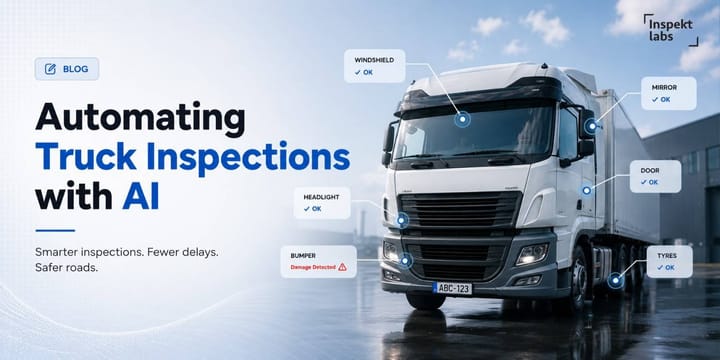
For insurance companies, this means faster claims processing because the inspection and documentation happen almost at the same time, enabling motor insurance claim automation at scale. For fleet operators, it means every vehicle can be checked at the start and end of each shift without pulling staff away from other responsibilities. AI-powered fleet inspection removes the scheduling bottleneck entirely, which means no inspector travel, no facility booking, no paper reports. For vehicle rental companies, it creates a clear and time-stamped record of vehicle condition at check-in and check-out, which significantly reduces disputes over damage liability.
Inspektlabs' AI vehicle inspection system is used by insurers, fleet operators, and rental companies across the EU, US, Middle East, and APAC. The platform connects with existing business workflows through an API, so companies do not need to overhaul their systems to start using it.
See how AI is transforming fleet management inspection cycles at scale.
Remote vehicle inspection at this scale is no longer a future concept. Businesses using an automated vehicle inspection system are already cutting inspection time by over 90% compared to traditional manual processes, while generating more consistent and auditable data.
Frequently Asked Questions
- How long does a car inspection take?
Most standard car inspections take between 30 minutes and 3 hours, depending on the type of inspection and the condition of the vehicle. - How long does a state inspection take?
A car state inspection typically takes 30 to 60 minutes. If your vehicle fails on a component, additional time is needed for re-assessment. - How long does a safety inspection take?
A car safety inspection usually takes 30 to 45 minutes. It covers brakes, tyres, lights, steering, and other safety-critical components. - How long does an inspection take on a car when it is a pre-purchase check?
A pre-purchase inspection on a used car typically takes 1 to 3 hours, depending on how thorough the mechanic is and the age of the vehicle. - How long is a car inspection valid for?
In the UK, an MOT is valid for one year. In the US, this varies by state but is typically renewed annually. Pre-purchase reports are valid only at the time they are conducted. - How long does it take to get a car inspected using a digital system?
A digital vehicle inspection using an AI-powered tool such as Inspektlabs takes 3 to 5 minutes. No appointment or travel is needed. - Can I speed up my car inspection?
Yes. Book ahead, check tyres and lights before going, and have your documents ready. Choosing a digital inspection option removes most delays altogether.