AI-Powered Car Inspection for Motor Auctions: Solving the Trust Problem
Technology is revolutionizing the internal and external workings of motor auctions. It offers greater transparency and access to high-quality information.
[Updated May 2026]
More than 40% of people evaluating vehicles during online auctions claim that the uncertainty of the vehicle’s condition is the primary reason they did not place a bid. This is a structural challenge in every motor auction (physical or online), causing severe operational issues.
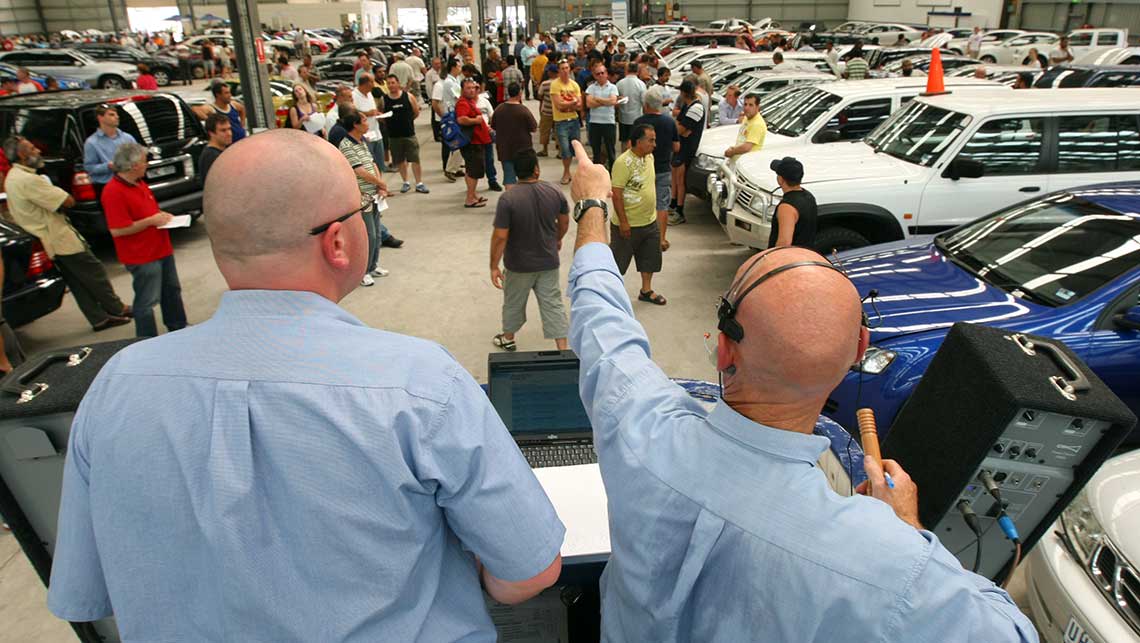
Buyers cannot touch the car or see it in person. They are forced to make a financial decision based on a handful of photos, a brief description, and blind trust in the auction house running the lot. For high-value vehicles, that level of uncertainty is simply too great for most buyers to accept.
This article covers why condition transparency is such a persistent challenge in motor auctions, how AI-powered car inspection for auction is changing that, and what the practical benefits look like for auction operators, buyers, and dealers.
Why Car Condition Is the #1 Barrier in Motor Auctions
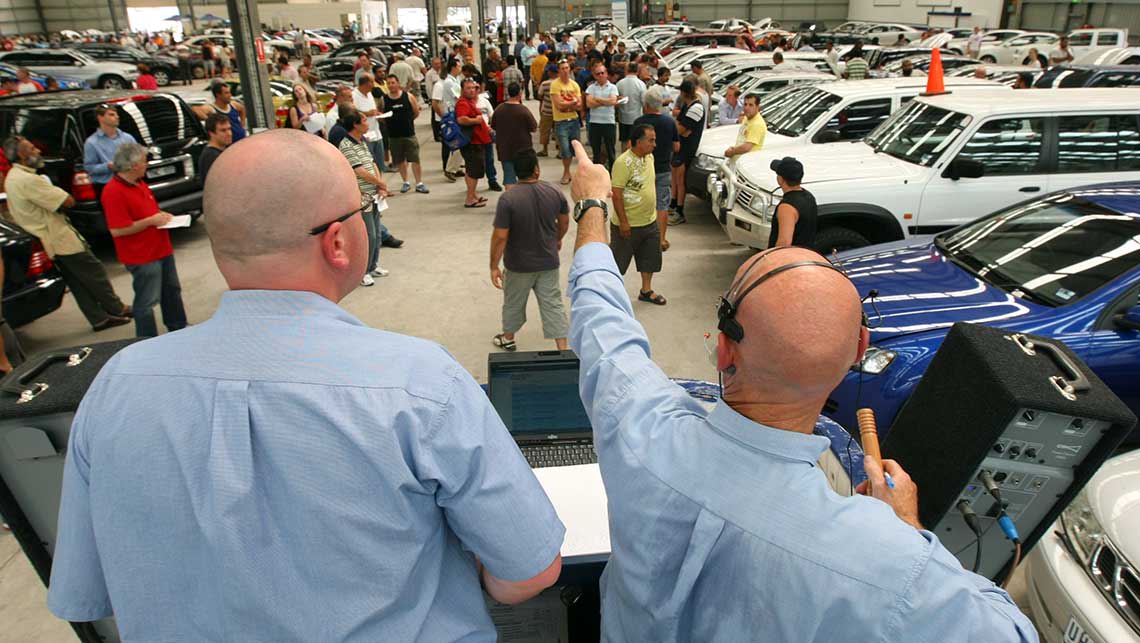
The trust problem in motor auctions is not new. But it has become more acute as auction activity has moved online. In a physical auction, a buyer can at least walk around the vehicle. In an online closed-bid format, they are entirely dependent on the information the auction house provides.

Several factors make this worse.
- Companies do not need a licence to hold automotive auctions in most markets. There is no regulatory body certifying the quality of inspection or condition reporting. Buyers know this, and it makes them cautious.
- Vehicles sold at auctions go through physical repairs before sale to improve their condition. Buffing, touch-ups, and minor repairs can cover underlying issues that would otherwise easily be detected by a trained eye. This is not always done with this intent, but it leaves buyers wondering what else might be hidden.
- There is rarely any independent third-party verification of a vehicle's stated condition. The grading system used, if any exists at all, typically comes from the auction house itself. That is a conflict of interest that buyers are well aware of.
According to data from CAP HPI, condition discrepancies between stated and actual vehicle condition are among the most common triggers for post-sale disputes in used car transactions. In physical fleet disposals and dealer part-exchanges, these disputes add cost and friction to every sale.
Auction formats that rely on description-only listings, or on photos taken by the seller without any standardised process, create an environment where the most cautious buyers stay out, and the ones who do bid discount heavily to cover the uncertainty. Both outcomes hurt the auction operator's bottom line.
How AI Car Inspection Works at Motor Auctions
The fundamental shift AI brings to auction vehicle inspection is turning condition assessment from a subjective, variable process into a standardised, documented one. Here is how the process works end to end.
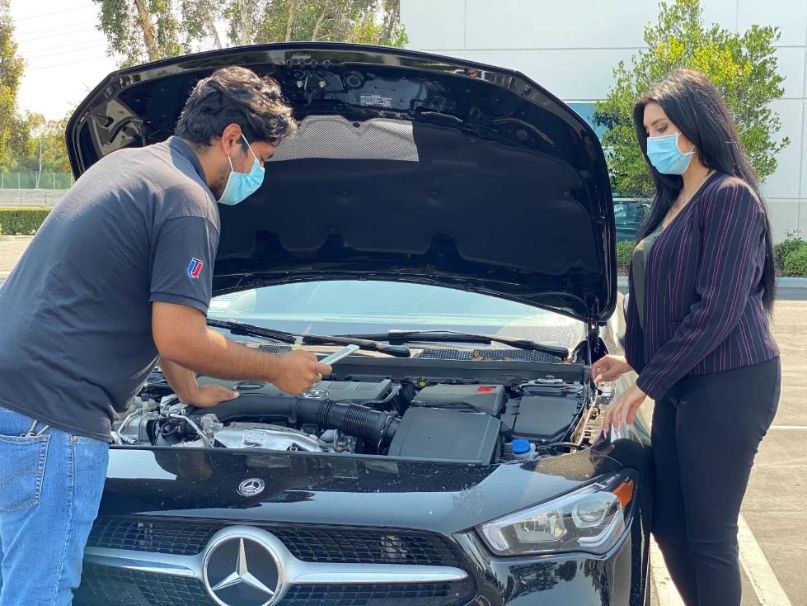
- The vehicle owner, dealer, or auction operator captures multiple photos or a 360-degree video using a smartphone with guided assistance, making sure every vehicle is documented from the right angles.
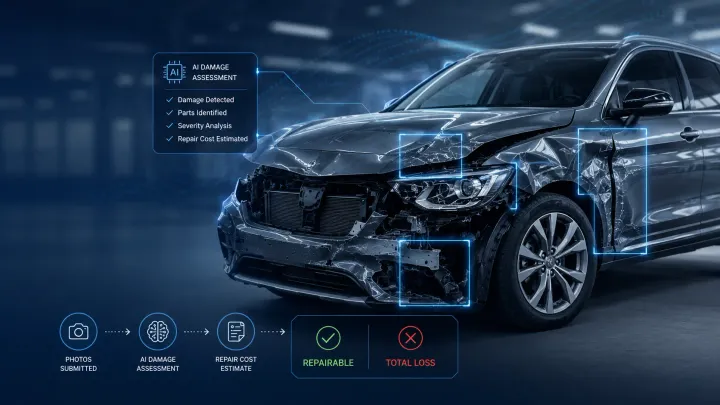
- The media is uploaded to the cloud, where an AI model analyses the images and video for visible damage. This is not basic pixel comparison. The system uses deep learning to identify visual patterns across thousands of frames, recognising damage signatures such as dents, scratches, and paint defects in the same way a trained assessor would, but consistently and at scale.
- The AI automatically generates a detailed condition report within 90 seconds of the media being uploaded. This report documents all damage, severity, and the estimated repair cost.
- The report is shared with the prospective buyer before they place a bid. This is the moment the trust problem gets addressed. The buyer has access to verified, AI-generated documentation rather than relying on the seller's description.
- Dents and panel deformation
- Surface Scratches and Paint damage
- Panel Misalignment (indicative of prior collision repair)
- Paint defects and inconsistencies
- Odometer anomalies and inconsistencies flagged for human review
The computer vision model underpinning this process is trained on millions of labelled vehicle images across damage types, lighting conditions, and vehicle categories. It does not just identify that something looks different. It classifies what it finds, estimates severity, and cross-references findings against patterns associated with fraud or prior damage concealment.
For Auction Operators
From photos to a verified report bidders trust, in 90 seconds
See how AI inspection removes the uncertainty that keeps buyers from bidding.
Key Benefits: AI Inspection vs Manual Inspection at Auctions
For auction operators evaluating whether to adopt a digital inspection system, the comparison below covers the practical differences between manual and AI-powered processes.
The consistency difference is particularly relevant for auction operators running high volumes. A manual inspection on a Monday morning and one on a Friday afternoon are unlikely to produce reports of equal depth or accuracy. An AI system applies the same process regardless of volume, timing, or operator workload.
Use Cases: When Auction Inspection Happens and Who Benefits
Pre-Auction Grading for Lot Pricing
Before a vehicle goes live on an auction platform, the operator needs to establish its condition grade and set a realistic reserve price. Manual grading processes at this stage are time-consuming and often inconsistent across different assessors.
AI used-car inspection allows operators to process large batches of incoming vehicles quickly, generate standardised condition grades across the fleet, and produce accurate pricing anchored to real condition data. In markets like the UK and UAE, where online auction volume has grown significantly over the past three years, this operational efficiency is increasingly a competitive advantage.
Buyer Pre-Bid Inspection for Remote and Online Bidders
Online auction platforms serving buyers across the EU, US, and internationally cannot realistically offer physical vehicle inspections for every lot. Buyers bidding remotely need a reliable substitute.
AI-generated condition reports serve as that substitute. When a buyer receives a standardised, timestamped report documenting every identified issue before they bid, the uncertainty that causes drop-off is directly addressed. Platforms that provide this level of documentation consistently report higher engagement from remote bidders and lower rates of post-sale disputes. As these reports become more detailed, AI assistants can also help buyers interpret inspection findings, explain damage severity, and answer questions before bidding. This is one of the emerging applications of Inspekt GPT for vehicle inspections in used car markets, making inspection reports easier for buyers to understand and act upon.
Post-Sale Dispute Resolution
Disputes over undisclosed damage are a significant administrative burden for auction houses. When a buyer receives a vehicle and finds damage that was not mentioned in the listing, the question of liability depends entirely on what was documented before the sale.
AI inspection reports serve as a verifiable, timestamped record of the vehicle's condition at the point of listing. If damage is present in the report, the buyer had access to that information before bidding. If it is not in the report, the dispute resolution process has a clear baseline to work from. This benefit extends to fleet disposal programmes, where multiple vehicles change hands in bulk.
AI Fraud Detection at Car Auctions
Fraud in the used vehicle market takes several forms. The most common at auction are odometer tampering, undisclosed prior collision damage, and cosmetic repairs used to conceal structural issues. All three are difficult to detect through visual inspection alone and extremely costly when they result in post-sale disputes or insurance claims.
AI-powered inspection addresses each of these with specific detection capabilities.
- Odometer anomalies: The AI cross-references reported mileage against physical indicators of wear visible in the vehicle imagery, flagging inconsistencies for human review.
- Hidden damage signals: Panel misalignment and paint inconsistencies that suggest prior repair work are identified and documented even when cosmetic preparation has been applied.
- Paint thickness anomalies: While paint thickness measurement requires dedicated hardware, AI analysis of surface reflectance and colour uniformity in high-resolution images can flag areas that warrant further investigation.
Every report generated is timestamped and tamper-proof. Once a condition report has been created and shared, it cannot be retroactively amended. For auction operators, this creates accountability on both sides of the transaction and reduces the frequency of fraudulent claims.
How AI Platforms Enable Auction Inspections at Scale
For auction operators managing high volumes, the practical question is not just whether AI inspection works but whether it can integrate into existing systems without major disruption.
Inspektlabs operates as an API-first platform. Auction management systems can integrate the inspection and reporting workflow directly, triggering inspection links automatically when new lots are added, receiving structured condition reports via API, and storing all documentation within their existing records infrastructure. No wholesale replacement of existing systems is required.
Reports are generated under white-label format, so the output carries the auction operator's branding rather than a third-party watermark. This matters for operators building their own inspection credentials and trust reputation with buyers.
Turnaround time from media submission to a complete condition report is approximately 90 seconds. For auction operators processing dozens or hundreds of vehicles per day, this means the inspection step no longer creates a bottleneck in the listing pipeline.
A note on AI limitations
• AI inspection is highly accurate for visible surface damage, but it is not infallible. Detection accuracy depends on image quality, lighting conditions, and the completeness of the capture. Heavily obscured damage or damage that requires physical contact to detect will not appear in a photo-based report.
• Data privacy is also a real consideration. Vehicle and owner data submitted through inspection platforms must be handled in compliance with GDPR in the EU and UK, and equivalent regulations in other markets. Operators should confirm data processing agreements are in place before deployment.
• For high-value auction decisions, AI-generated reports should be treated as strong supporting evidence rather than a final word. Human oversight remains important, particularly for vehicles above a certain value threshold or with complex condition histories.
Why making the shift to AI-powered Vehicle Inspections makes sense
The trust deficit in motor auctions is a solvable problem. Buyers who hesitate to bid are not being irrational. They are responding to a genuine lack of reliable condition information. AI-powered car inspection for auction addresses that directly by creating standardised, verifiable, shareable condition reports at scale and at a fraction of the cost of manual processes.
For auction operators, the case is straightforward: more confident buyers bid more frequently and dispute less. For buyers and dealers operating remotely, access to a pre-bid vehicle inspection report changes the risk calculation entirely.
As online auction volume continues to grow across the UK, EU, US, and UAE, the operators who invest in transparent, data-driven inspection infrastructure will be better positioned to capture that demand and retain buyer trust.
This evolution is part of the wider digital transformation taking place across used vehicle retail and remarketing. Explore why digitization is dominating the used car industry.
Frequently Asked Questions
- What is a car inspection at a motor auction?
A car inspection at a motor auction documents a vehicle's visible condition before it goes on sale. AI-powered systems generate a structured condition report from photos and video, covering damage, anomalies, and repair estimates, which is then shared with buyers before they bid. - How does AI detect car damage at auctions?
The vehicle is photographed and filmed via a guided smartphone flow, then the media is processed by a deep learning model trained on millions of vehicle images. A damage report documenting location, severity, and estimated repair cost is generated in under two minutes. - What does an auction vehicle inspection report include?
- Damage location and type (dents, scratches, paint defects, panel misalignment)
- Severity classification for each identified issue
- Estimated repair cost per damaged item
- Fraud flags: odometer anomalies and prior repair indicators
- Timestamp and tamper-proof metadata for audit purposes
- How accurate is AI car damage detection compared to manual inspection?
For visible surface damage, AI inspection achieves accuracy rates of 90 to 95% when benchmarked against trained human assessors. Unlike manual inspection, it applies the same criteria to every submission, removing variability caused by inspector experience or workload. - How does AI prevent fraud at car auctions?
Tools like Inspektlabs train their AI to cross-reference reported mileage against visible wear, flag panel misalignment, and paint inconsistencies that suggest undisclosed repairs, and generate a tamper-proof, timestamped report at the point of listing. This documented trail significantly reduces the scope for post-sale disputes.