Motor Insurance Claim Inspection: The Complete Guide (2026)

[Updated September 2026]
A motor insurance claim inspection is the process of examining a vehicle after an accident or reported incident to document the damage, verify the claim, and support the settlement decision.
For insurers, the inspection needs to answer a few basic questions: What damage occurred? Which parts are affected? Was the damage already present? Does the reported damage match the incident? And is there enough evidence to process the claim?
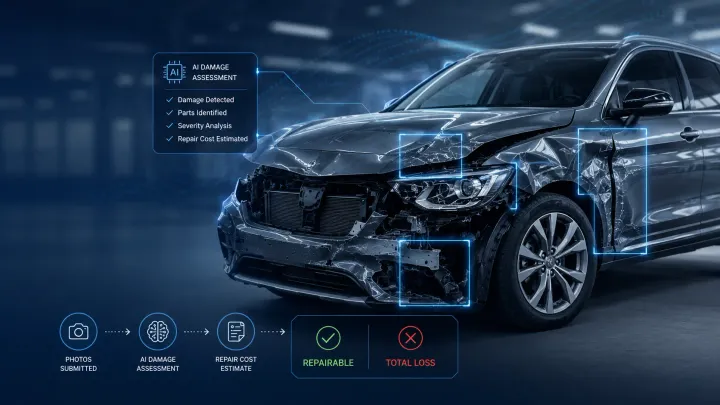
Traditionally, this meant sending a surveyor or field assessor to inspect the vehicle and prepare a report. Today, insurers can also use smartphone-based vehicle inspection and automated damage detection to capture evidence remotely and generate a structured inspection report.
This guide covers the motor insurance claim inspection process, what an inspection checks, the documents and evidence required, how pre-insurance vehicle inspection fits into the insurance lifecycle, and how AI can help insurers automate vehicle inspection and claims workflows.
Quick Takeaways:
- A motor insurance claim inspection documents vehicle damage after an accident and provides evidence for claim assessment and settlement.
- A typical inspection covers exterior damage, affected parts, vehicle identification, existing damage, photographs or video, and supporting documents.
- Pre-insurance vehicle inspection is performed before a policy is issued or renewed to establish the vehicle's condition and document pre-existing damage.
- Manual inspections usually require an inspector visit, appointment scheduling, travel, and report preparation.
- AI vehicle inspection allows policyholders to capture photos or video remotely and can automate damage detection and inspection reporting.
- Inspection data can be connected to claims management, policy administration, and repair estimation workflows through APIs.
What is a Motor Insurance Claim Inspection?
A motor insurance claim inspection is a structured assessment of a vehicle after an accident, incident, or reported loss. The purpose is to document the visible damage, identify the affected vehicle parts, verify the condition of the vehicle, and provide evidence that can support the claim decision.
Depending on the insurer and the type of claim, the inspection may be performed by a field surveyor, an independent assessor, or through a remote vehicle inspection workflow using photos or video.
The inspection report can then be used by the claims team to assess the loss, request additional evidence, estimate repairs, approve or escalate the claim, and maintain a record of the vehicle's condition.
Most motor insurance inspections fall into two broad categories:
- Insurance Pre-Inspection: Pre-insurance vehicle inspection is conducted before a policy is issued or renewed. The goal is to establish the vehicle's baseline condition, document any pre-existing damage, and give the underwriter the information needed to assess the risk. With AI-powered car inspection for insurance, this process can be completed remotely using guided photos or video, with AI helping analyse the submitted vehicle evidence and generate a structured inspection report. This creates a digital record of the vehicle's condition before coverage begins.
- Post-Accident Inspection: Post-accident inspection is conducted after an incident is reported. The goal is to assess the extent of the damage, verify that the reported damage is consistent with the incident, and provide the evidence needed to support the claim. The inspection report can also support AI claims estimation and help speed up the settlement process.
Vehicle inspections can also take place during policy renewal, when a vehicle has modifications or accessories that need to be documented, or when a disputed claim requires a second inspection or independent assessment.
Explore AI Vehicle Inspection
Generate damage reports and repair estimates in minutes with AI-powered vehicle inspection.
Who conducts a motor insurance inspection?
Traditionally, vehicle inspections have been handled by licensed surveyors, inspectors, or field assessors working for or contracted by the insurer. Today, some inspection workflows can also be completed remotely, with the policyholder capturing photos or video through a smartphone and an Automated inspection system analysing the submitted media.
Motor insurance inspection is not limited to a single stage of the policy lifecycle. The purpose changes depending on when the inspection takes place. A pre-insurance inspection establishes the vehicle's condition before coverage, while a claim inspection focuses on damage reported after an incident. The table below covers the main types of vehicle inspection used across the motor insurance lifecycle.
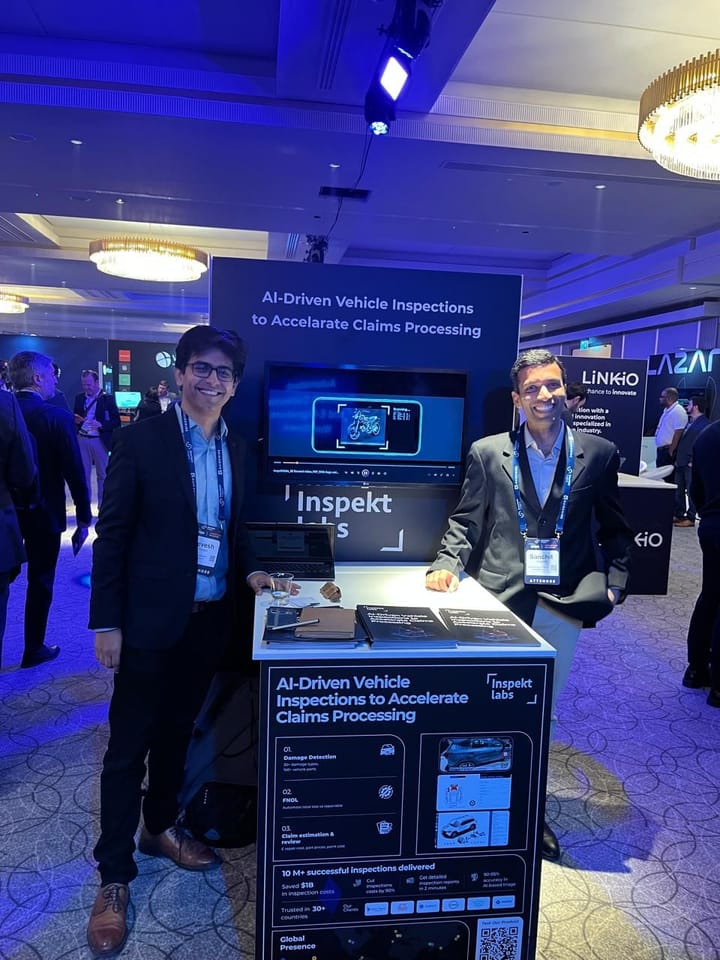
The most significant development in recent years has been the use of smartphone-based remote self-inspections. Platforms like Inspektlabs allow policyholders to capture guided photos or 360° video using their smartphones. The submitted media can then be analysed using AI to identify visible vehicle damage and generate a structured inspection report.
For standard motor insurance claims, this can reduce the need for an in-person inspection and allow insurers to begin the assessment without waiting for a field inspector. The same approach can also be used for pre-insurance vehicle inspections, where the insurer needs to document the vehicle's condition before issuing or renewing coverage.
What Is a Pre-Insurance Vehicle Inspection?
A pre-insurance vehicle inspection is performed before an insurer issues a new policy or renews coverage when an inspection is required. The purpose is to establish a record of the vehicle's condition before the insurer takes on the risk.
The inspection typically documents visible damage, vehicle identification details, photographs or video evidence, and other information required by the insurer. Recording this condition before coverage begins can help distinguish pre-existing damage from damage reported later in a claim.
Pre-insurance inspection is particularly relevant for break-in renewals, used vehicles, high-risk cases, and situations where the insurer needs additional evidence before issuing or renewing a policy.
The process can be completed through a physical inspection or, where supported, through a remote vehicle inspection using guided smartphone capture and automated image analysis.
Pre-Insurance Inspection vs. Motor Insurance Claim Inspection
Although both inspections assess a vehicle's condition, they take place at different stages of the insurance lifecycle and support different decisions. The key differences are:
| Factor | Pre-Insurance Inspection | Claim Inspection |
|---|---|---|
| When it happens | Before policy issuance or renewal | After an accident or reported loss |
| Main purpose | Establish vehicle condition | Assess reported damage |
| Primary team | Underwriting / inspection | Claims / loss assessment |
| Damage focus | Existing or pre-existing damage | Damage related to the reported incident |
| Output | Vehicle condition report | Damage assessment / claim inspection report |
| Typical evidence | Vehicle photos, video, identification details | Damage photos/video, incident evidence, vehicle details |
| Decision supported | Policy issuance or renewal | Claim approval, settlement, or escalation |
Although the purpose is different, both workflows depend on reliable vehicle images, consistent inspection criteria, and a clear record of the vehicle's condition. AI vehicle inspection can support both workflows by enabling remote vehicle capture and automating parts of the inspection and reporting process.
Why Does Motor Insurance Claim Inspection Matter?
A motor insurance claim inspection gives insurers the evidence needed to assess reported vehicle damage and make informed claim decisions. A structured inspection can also help identify pre-existing damage, support fraud checks, maintain a clear inspection record, and reduce delays in the claims process.
Verify the Reported Damage
A motor insurance claim inspection helps insurers document the damage reported after an accident or other insured event. The inspection can capture the affected vehicle parts, visible damage, supporting photographs or video, and relevant vehicle identification details.
This gives the claims team structured evidence to compare with the incident reported by the policyholder and determine whether further assessment is required.
Identify Pre-Existing Damage
A claim inspection can also help distinguish newly reported damage from damage that was already present on the vehicle.
When a previous vehicle condition record is available, such as a pre-insurance vehicle inspection, insurers can compare the earlier inspection evidence with the condition reported during a claim. This can help identify discrepancies and provide a clearer record of how the vehicle's condition has changed.
Support Fair Claim Settlement
A structured inspection provides documented evidence that can support the claim assessment and settlement process.
For insurers, consistent inspection information can help claims teams assess the reported damage using the same type of vehicle evidence across cases. For policyholders, capturing the relevant damage during the inspection helps ensure that the reported condition is properly documented.
The inspection itself does not determine the final settlement. The inspection evidence is considered alongside the policy terms, incident details, repair estimates, and other claim documentation.
Reduce Fraud Exposure
Vehicle inspection can form an important part of the claim validation process. Insurers may need to verify that the submitted vehicle images are usable, that the reported damage is visible, and that the damage is consistent with the reported incident.
Automated vehicle inspection can support these checks by analysing submitted images or video, identifying visible damage, validating required vehicle views, and flagging cases that may require additional review.
This can help insurers apply a more consistent validation process before a claim moves further through the workflow.
Create an Auditable Inspection Record
A digital inspection creates a structured record of the vehicle condition and evidence collected during the inspection.
Depending on the workflow, the record can include:
- Vehicle photographs or video
- Detected damage and affected parts
- Vehicle identification details
- Inspection date and time
- Image or video validation results
- Damage assessment information
- Final inspection report
Maintaining this information digitally gives insurers a traceable record that can be reviewed by claims teams and referenced during later stages of the claim.
Speed Up Claims Processing
Traditional inspections can involve appointment scheduling, field-assessor availability, travel, and manual report preparation. These steps can add time to the claims process, particularly when inspection volumes are high.
Remote vehicle inspection can allow policyholders to capture guided photos or video using a smartphone. AI can then analyse the submitted media and generate structured inspection information, allowing the claims team to begin the assessment without waiting for an in-person inspection where the workflow supports remote inspection.
Car Insurance Inspection After an Accident
After an accident, the insurer may require a vehicle inspection to document the damage and verify that the reported damage is consistent with the incident. The inspection can include photographs or video of the damaged areas, vehicle identification details, existing damage, and other evidence required by the insurer.
In a traditional workflow, a surveyor may visit the vehicle and prepare the inspection report. With remote vehicle inspection, the policyholder can capture guided images or video through a smartphone, allowing the insurer to begin the assessment without waiting for a field appointment.
AI Claim Estimation
Turn inspection photos into repair estimates
Generate consistent damage reports and cost estimates in minutes with AI.
The Motor Insurance Inspection Process: Step by Step
Whether a claim is handled through a traditional field surveyor or an AI Vehicle inspection platform, the underlying process follows the same logical sequence. Understanding where delays and failure points typically occur is essential for claims leaders evaluating where to focus automation investment.
- Claim or policy request initiated - The policyholder reports an incident (First Notice of Loss, or FNOL) or applies for a new policy. This triggers the inspection workflow.
- Inspection assigned or self-inspection triggered - For traditional processes, a surveyor is assigned and an appointment scheduled. For AI-enabled processes, the policyholder receives a link or app notification to conduct a self-inspection immediately.
- Physical or remote inspection conducted - The vehicle is inspected for damage. In case of a field inspection, the surveyor visits the vehicle location. For remote inspections, the policyholder captures a structured photo or 360° video walk-around using their smartphone.
- Images, video, and documentation captured - This is an important step that captures the chassis number (VIN), engine number, odometer reading, all four exterior sides, close-ups of any damage areas, and interior condition where relevant. AI inspection platforms provide real-time guidance prompts during capture to ensure nothing is missed.
- Inspection report compiled - For manual inspections, the surveyor writes up findings and submits an insurance inspection report. For AI inspections, the report is auto-generated immediately after capture, with damage classification, severity grading, and where integrated, a repair cost estimate.
- Report submitted to the insurer and integrated into the claims system - The report is reviewed by the claims handler, attached to the policy record, and cross-referenced against the FNOL automation details.
- Claim approved, rejected, or escalated - The claims handler makes a settlement decision. Complex or disputed claims may be escalated to a loss adjuster or independent surveyor for re-inspection.
Required documents checklist
- Vehicle registration document
- Insurance policy number and cover note
- Driving licence of the driver at the time of the incident
- Police FIR (First Information Report) for accidents, where applicable
- Odometer reading at time of inspection
- Photos or video of the vehicle (if self-inspection)
- Repair estimates from an approved workshop (for post-accident claims)
Turnaround time benchmarks
- Manual inspection: Average 1 to 2 days from FNOL to completed inspection report, plus additional processing time for claim approval.
- Automated inspection Report: Report delivered within minutes of capture completion. AI-enabled carriers have cut total claim resolution time by as much as 75%, from an average of 30 days to under 8 days.
Motor Insurance Claim Inspection Checklist
A motor insurance claim inspection should capture enough information to document the vehicle's condition, identify the reported damage, verify the vehicle, and provide supporting evidence for the claim assessment. The exact inspection requirements can vary by insurer, policy, vehicle type, and claim.
In this checklist, we cover the expected standard across the EU, UK, US, and Middle East markets.
Vehicle Exterior
- Front, rear, left-side, and right-side body panels
- Roof and undercarriage, where accessible
- Bumpers, grille, and exterior trim
- Windscreen, rear screen, and side windows
- Headlights, tail lights, and indicators
- Wheels and tyre condition
Damage Assessment
- Dents, scratches, cracks, and broken components
- Location and extent of visible damage
- Damaged vehicle parts and affected areas
- Close-up photographs or video of reported damage
- Damage that may require further assessment
Vehicle Identification
- VIN / chassis number verification
- VIN or chassis number matched against available vehicle documents
- Engine number, where required
- Odometer reading
- Registration/number plate condition
- Dashboard and instrument cluster, including relevant warning indicators
Existing and Pre-Existing Damage
- Previously existing damage identified during the inspection
- Photographs of pre-existing damage
- Comparison with previous inspection records, where available
- Distinction between previously documented damage and damage reported in the current claim
Interior Condition
- Dashboard and instrument cluster
- Seat condition and upholstery
- Seatbelt condition
- Airbag and SRS warning indicators
- Interior damage relevant to the reported incident
Accessories and Modifications
- Aftermarket modifications
- Declared accessories
- CNG / LPG kits, where applicable
- Accessories or modifications relevant to the policy or claim
Supporting Evidence
- Exterior photographs covering the vehicle from multiple angles
- Close-up images of all relevant damage
- VIN / chassis number photograph
- Odometer photograph
- Vehicle identification and registration evidence
- Incident-related photographs or video, where required
- Timestamp and other inspection metadata, where supported
Remote and AI-Based Inspection
For remote self-inspections, the insurer may use a guided photo or video capture workflow to ensure the required vehicle views are submitted.
Depending on the inspection workflow, this may include:
- A guided 360° walk-around video
- A structured sequence of vehicle photographs
- Guided capture of the VIN / chassis number
- Odometer capture
- Close-up images of visible damage
- Image and video quality validation
Challenges With Manual Motor Insurance Claim Inspection
Manual inspection processes were designed for a world where claims volumes were lower, vehicles were less complex, and digital alternatives did not exist. Four structural problems make them poorly suited to the operating demands of a modern motor insurer.
Cost
A traditional manual inspection can cost anywhere between $100 and $200 per vehicle which includes the field assessor’s time, travel, and administrative overheads. For an insurer processing 10,000 inspections per month, that is $1 to $2 million in inspection cost alone, before the claim is even assessed. For fleet insurance providers and insurtech platforms handling high transaction volumes, this cost profile is not sustainable at scale.
Speed
The whole process of scheduling an inspection, confirming appointment time, travelling to the location, and report compilation can take days or even weeks. This is the most critical point in the claims experience. Every extra day in the inspection queue costs the insurer customer satisfaction and additional expenses (storage, temporary vehicle costs).
Inconsistency and human error
Two surveyors inspecting the same vehicle might not always produce the same report. Many factors such as fatigue, lack of experience, subjectivity, variable photographic skills, and more create inconsistency across a claim portfolio. This inconsistency is a fraud risk as much as a quality problem.
Fraud exposure
Traditional inspections mostly rely on the surveyor's judgment to identify suspicious damage patterns, prior damage being presented as new, or staged incident characteristics. This is a high bar for a field assessor conducting dozens of inspections per week. Across the industry, estimates suggest that 5 to 15% of claims involve some degree of fraud, and a significant portion of that passes through the inspection stage without being flagged.
Geographic constraints
In markets like Brazil, Mexico, Saudi Arabia, and rural Europe, where surveyor availability is very limited, deploying a physical assessor to a remote location delays the inspection cycle and increases its costs. The more remote the location, the longer it will take for the claim to be processed due to these constraints.
Scaling bottleneck
Manual inspections are not easy to scale because they are restricted by the availability of physical inspectors and the company’s ability to afford additional staff. In cases where claim volumes spike due to higher accident rates or rapid policy growth, these companies struggle to manage the volume unless they temporarily outsource the inspection process. This causes backlogs, delays, and customer dissatisfaction exactly at the time when the speed of processing claims matters the most.
How AI is Transforming Motor Insurance Claim Inspection?
AI-powered vehicle inspection can automate several steps in the motor insurance claim inspection process, from guided photo capture to damage detection and report generation. Instead of waiting for a field assessor, the policyholder can submit structured photos or video through a smartphone, allowing the claims workflow to begin immediately.
Core AI capabilities in motor insurance inspection
- Computer vision damage detection: AI models trained on millions of vehicle damage images/videos can identify and classify various physical damage types with up to 95% accuracy, which matches or exceeds trained human assessors on standard damage types.
- FNOL automation: When a policyholder files a claim, they can immediately begin a self-inspection via their smartphone. The AI inspection tool captures, assesses, and reports damage without an appointment, compressing a 1 to 2 day process to minutes. This is the highest-value automation intervention in the claims cycle.
- Fraud detection ML: Modern AI vehicle inspection tools come pre-trained with real-time fraud detection capabilities. These systems are designed to identify many of the common auto insurance frauds that occur during policy issuance and claims processing, from image manipulation to repeated damage claims. The tool checks image metadata for manipulation, compares the vehicle damage history, flags inconsistent damage reports, identifies erratic movement (vehicle swapping), and highlights attempts to photograph the same damage twice or report old damage as new. This runs automatically, without relying on an assessor to highlight these discrepancies.
- Claims management system integration: AI inspection platforms integrate directly with insurer CMS and policy administration systems via API, so the inspection report flows into the claims record automatically. There is no manual data entry step and no document email chain. This seamless data flow plays a key role in automating the claim process, helping insurers reduce delays and accelerate payouts.
- Estimatics integration: AI Vehicle Inspection software like Inspektlabs can easily be integrated with estimatics providers such as Mitchell and GTMotive, enabling them to generate repair cost estimates faster, which in turn speeds up the settlement decision.
- Automated Pre-Insurance Vehicle Inspection: The same vehicle inspection technology can also be used before a policy is issued or renewed. In a pre-insurance vehicle inspection, the customer captures the vehicle's current condition through guided photos or video. AI analyses the submission and creates a digital record of visible damage and vehicle details.
Fraud & Claims
Flag manipulated photos and inflated claims before payout
Standardized estimates, generated in seconds.
Real-world impact
McKinsey, in a study, reported that AI claims management systems can reduce handling costs by up to 30% and processing time by up to 70%. Additionally, Aviva also reported that it deployed more than 80 AI models across its motor claims domain, which helped them save more than 60 million pounds in 2024 and cut complex liability assessment time by 23 days.
Additionally, AI motor inspections help companies eliminate field-travel costs entirely for standard inspections and process reports in seconds rather than days. Inspektlabs’ clients have also reported that their claim processing costs reduced by 30%-40% when they switched from manual to an automated assessment workflow.
Inspektlabs in motor insurance
Inspektlabs provides an AI vehicle inspection platform trained on 30 million+ real-world damage images, detecting 21 damage types across 163 vehicle parts with 95 to 99% accuracy. For motor insurance specifically, the platform supports:
- Smartphone-based self-inspection for policyholders at FNOL, policy issuance, and renewal
- Real-time image quality feedback during capture, rejecting blurry, poorly lit, or incomplete images before they enter the assessment workflow
- Built-in fraud detection flagging prior damage, image metadata anomalies, and suspicious damage patterns
- Repair cost estimation via Mitchell and GTMotive integrations across US, European, and select Asian markets
- API integration with insurer CMS platforms and policy administration systems
- GDPR compliance and ISO 27001 certification, meeting EU and UK data handling requirements
- White-label deployment for insurers that want a fully branded customer-facing inspection experience
AI Insurance Claim Estimation
See how AI accelerates motor insurance inspections
Generate damage reports and repair estimates in minutes with AI-powered vehicle inspection.
AI vs. Manual Vehicle Inspection: Side-by-Side Comparison
Motor Insurance Inspection Trends by Region
Motor insurance inspection is becoming increasingly digital as insurers look to reduce manual processes, improve claims efficiency, and collect consistent vehicle evidence.
In Europe and the UK, data protection and governance are important considerations when insurers adopt digital and digital inspection workflows. Remote inspection can help insurers collect structured vehicle evidence while maintaining a digital inspection record.
In the United States, insurers are increasingly using digital technologies across claims workflows. Smartphone-based vehicle inspection, automated damage assessment, and AI-assisted claims processing can reduce reliance on manual inspection and support faster claims handling.
In the Middle East, particularly the UAE and Saudi Arabia, digital transformation is supporting the adoption of technology-enabled insurance services. Remote inspection can allow policyholders to submit vehicle photos or video through their smartphones, reducing the need for an in-person inspection where the workflow supports it.
In Latin America, geographic coverage and the availability of field inspection networks can make remote vehicle inspection particularly useful. Smartphone-based capture allows insurers to collect vehicle evidence across locations without relying entirely on physical inspection networks.
Across these markets, the broader trend is toward digital vehicle inspection, remote evidence capture, AI-assisted damage detection, and integration with insurance claims workflows. Specific requirements vary by country and insurer.
Key Takeaways
Motor insurance claim inspection is an important step between reporting a loss and making a settlement decision. A structured inspection helps insurers document damage, verify the reported incident, identify pre-existing damage, and maintain evidence for the claim record.
Pre-insurance vehicle inspection serves a different purpose. It establishes the vehicle's condition before coverage begins and provides a baseline that can be referenced during future claims.
Both workflows can now be supported by smartphone-based capture and automated vehicle inspection. For insurers, the opportunity is to reduce manual work while creating a more consistent and traceable inspection process.
Frequently Asked Questions
What is a motor insurance claim inspection?
A motor insurance claim inspection is an assessment of a vehicle after an accident or reported loss to document the damage, identify affected parts, verify the vehicle's condition, and provide evidence for the claim assessment and settlement process.
What does a motor insurance claim inspection check?
A motor insurance claim inspection typically checks the vehicle's exterior condition, visible damage, affected parts, vehicle identification details, existing or pre-existing damage, photographs or video evidence, and other information required by the insurer. The exact inspection checklist can vary by insurer, policy, vehicle, and claim type.
What is the difference between pre-insurance and claim inspection?
A pre-insurance inspection takes place before a policy is issued or renewed and establishes the vehicle's condition before coverage begins. A claim inspection takes place after an accident or reported loss and focuses on documenting and assessing the damage associated with the claim.
What is a pre-insurance vehicle inspection?
A pre-insurance vehicle inspection is an inspection performed before an insurer issues or renews coverage when an inspection is required. It documents the vehicle's existing condition, visible damage, identification details, and supporting evidence to establish a baseline for the policy.
When is a pre-insurance vehicle inspection required?
A pre-insurance vehicle inspection may be required when an insurer needs to verify a vehicle's condition before issuing or renewing coverage. It can be used for situations such as break-in renewals, used vehicles, higher-risk cases, or policies where the insurer requires additional vehicle evidence.
How long does a motor insurance claim inspection take?
The time required depends on the inspection method and insurer's workflow. A traditional inspection may require appointment scheduling, an inspector visit, and manual report preparation. A remote AI inspection can allow the policyholder to capture photos or video through a smartphone and generate structured inspection information without waiting for an in-person inspection, where supported.
Can motor insurance claim inspection be done remotely?
Yes, motor insurance claim inspection can be completed remotely when the insurer's workflow supports remote inspection. The policyholder can capture guided photos or video of the vehicle using a smartphone, after which the submitted media can be analysed to identify visible damage and generate an inspection report.
How does AI help with motor insurance claim inspection?
AI can help automate parts of the motor insurance claim inspection process, including image and video validation, vehicle damage detection, affected-part identification, and inspection report generation. This can reduce manual processing and help insurers handle vehicle inspections more consistently at higher volumes.
Can AI detect pre-existing vehicle damage?
AI-powered vehicle inspection can identify visible vehicle damage in submitted images or video. When previous inspection records are available, insurers can compare the current inspection with earlier vehicle-condition evidence to help identify damage that may have existed before the reported incident. AI detection should be treated as part of the broader claim assessment process rather than as the sole basis for a claim decision.
What documents are required for a motor insurance claim inspection?
The documents required vary by insurer, policy, and claim type. Commonly requested information may include the vehicle registration document, insurance policy details, driver's licence, vehicle identification details such as the VIN or chassis number, and accident or incident-related documents or photographs. The insurer may also request a claim form, repair estimate, police report, or other supporting evidence depending on the circumstances of the claim.