How Much Does A Car Inspection Cost in 2026? Full Price Guide
A typical vehicle inspection can cost anywhere between $20- $150 based on the type of vehicle you own and the inspection required. In some countries, a basic safety inspection may cost less than $20. In others, a full inspection for a used vehicle can cost a few hundred dollars.
What is a car inspection? A car inspection is the process of checking a vehicle’s safety, mechanical condition, and compliance with regulations, and its cost can vary based on several factors. For most drivers, the average car inspection cost falls somewhere between $20 and $150. A simple annual inspection is usually affordable, while a detailed pre-purchase inspection takes more time and costs more.
Quick Answer: How Much Does Car Inspection Cost?
A typical car inspection costs $20–$150, depending on the type of inspection and where it is carried out. A more detailed pre-purchase or comprehensive inspection can cost $100–$350 or more.
Vehicle inspections are frequent (and in some cases, mandatory) across the world. Some countries require yearly roadworthiness checks, while others focus mainly on emissions testing or inspections during ownership transfer.
Car Inspection Cost at a Glance :
| Inspection Type | Typical Cost |
|---|---|
| Safety Inspection | $20–$50 |
| Emissions Inspection | $15–$80 |
| Multi-Point Inspection | $80–$150 |
| Pre-Purchase Inspection | $100–$350+ |
| Comprehensive Inspection | $150–$350+ |
Note: Inspection costs vary by location, inspection provider, vehicle type, and inspection scope. Government-mandated inspections may have fixed fees.
In this guide, we talk about:
- Different types of vehicle inspections and their costs
- Average car inspection cost by state, region, and country
- What does a car inspection include?
- Factors that affect vehicle inspection cost
- How long does a car inspection take?
- How are digital vehicle inspection and AI car inspection tools changing the industry?

Types of Car Inspections and Their Costs
1. Safety Inspection Cost ($10 to $50)
A safety inspection checks whether a vehicle meets basic road safety standards. This type of inspection is common in countries across North America, Europe, Asia, and the Middle East.
Inspectors usually check:
- Brakes
- Tires
- Lights
- Steering
- Suspension
- Seat belts
- Windshield condition
The safety inspection cost depends on local regulations and labour rates. In some places, the fee is fixed by the government. In others, repair shops can set their own pricing.
For example, many states in the USA require you to get your vehicles inspected annually, while countries like Germany and the United Kingdom follow strict roadworthiness programs such as TÜV and MOT testing. In several Asian markets, inspection requirements become stricter as the vehicles age.
2. Emissions Inspection Cost/ Smog Check ($15 to $80)
Many cities and countries require emissions testing to reduce air pollution. This is especially common in areas with strict environmental rules.
The emissions test cost depends on:
- The vehicle’s age
- Engine type
- Local testing requirements
- Whether the test uses an OBD-II scan or tailpipe testing
Modern vehicles are usually quicker and cheaper to test because diagnostics are digital.
In severely polluted regions, emissions checks are made mandatory before renewing a vehicle’s registration. Some countries’ Governments also incentivize people for using low-emission or electric vehicles, reducing the overall annual car inspection cost.
Faster Inspections
Looking for a quicker way to inspect vehicles?
Digital inspections can help reduce delays and simplify the process without scheduling physical visits.
3. Pre-Purchase Car Inspection Cost ($100 to $350)
Purchasing a used car without first conducting an AI used-car inspection is very risky. A pre-purchase car inspection helps buyers understand the true condition of the vehicle before making a decision.
A mechanic may inspect:
- Engine condition
- Transmission performance
- Brakes and suspension
- Fluid leaks
- Electrical systems
- Accident damage
- Tire wear
The used car inspection cost is higher because the inspection is far more detailed than a routine safety check.
This type of inspection is very important in the used-car market, where physical damage can sometimes mask bigger mechanical issues. Spending a little upfront on an inspection can save buyers from expensive repairs later.
4.Multi-Point Vehicle Inspection Cost ($80 to $150)
Many dealerships and workshops offer multi-point inspections that are included in your vehicle’s regular maintenance.
These inspections often include:
- The vehicle’s battery health
- Tires’ condition
- Fluid levels
- Brake wear
- Diagnostic scans
- Cooling system checks
This type of inspection is useful before long road trips, seasonal weather changes, or before selling a vehicle.
For fleet businesses, regular inspections also help reduce downtime and unexpected repair costs.
How Much Does a Complete Vehicle Inspection Cost?
A complete vehicle inspection typically costs $100–$350 or more, depending on the inspection provider, vehicle type, location, and the level of diagnostic testing involved. A more detailed inspection may cover the vehicle’s mechanical condition, exterior and interior, tires, brakes, suspension, fluids, and electronic systems.
The cost can also be higher if the inspection includes a road test, diagnostic scan, or a detailed condition report. If you are buying a used car, it is worth checking exactly what is included before booking an inspection.
A full car inspection generally refers to a more detailed assessment than a basic safety or emissions check. Depending on the provider, it may include checks of the engine, transmission, brakes, suspension, tires, fluids, exterior and interior condition, as well as electronic diagnostics. For a used vehicle, the inspection may also include a road test and a detailed report of any visible or mechanical issues.
For a detailed breakdown of what inspectors typically check, see our guide on what they check in a car inspection.
Why Are Car Inspections Important?
- Reduce Downtime and Control Maintenance Costs
- Stay Compliant Across Regions and Operations
- Improve Risk Assessment and Claims Accuracy
Managing inspections across multiple vehicles and locations can quickly become difficult and expensive when done manually. AI-powered vehicle inspection solutions like Inspektlabs simplify this by automating damage detection, reducing inspection time, and helping teams handle operations more efficiently at scale.
Cut the Cost of Every Inspection
Same inspection, minutes instead of an hour
No inspector visit, no scheduling, no transport cost — just photos and an instant report.
What Does a Car Inspection Include?
A standard car inspection includes checks on brakes, tyres, lights, steering, suspension, windshield, seat belts, emissions systems, fluid levels, and battery condition. Requirements vary by state and inspection type.
However, most inspections focus on road safety, emissions compliance, and basic mechanical health.
A standard inspection usually includes:
- The vehicle’s brake condition
- Its tire condition and tread depth
- Headlights and indicators
- Steering and suspension
- Windshield and wipers
- Seat belts and warning lights
- Emissions systems
- Battery condition
- Fluid levels
- Horn functionality
A pre-purchase inspection may also include a road test and checks for hidden accident damage or poor repairs.
Some workshops also provide digital inspection reports with photos and recommendations, making it easier for customers to understand the vehicle’s condition.
The exact checklist can vary depending on the inspection type and local regulations, but most inspections cover the same core safety and mechanical components. For a complete breakdown, see our guide on what they check in a car inspection.
Car Inspection Cost by Region
Car inspection rules vary around the world. Some countries require you to conduct annual inspections, while others only require checks during vehicle registration or ownership transfer.
For example, inspection rules vary from state to state in the United States. In Europe, however, many countries mandate roadworthiness testing every 1-2 years. And in countries like Japan and Singapore, stricter safety regulations result in more detailed and expensive inspections.
Here are some typical inspection costs:
- Inspections in the United States cost anywhere between $15 and $90, depending on the state and inspection type
- A MOT test in the United Kingdom costs around £40 to £55
- In Germany, TÜV inspections usually cost around €70 to €150
- Australian Roadworthy inspections cost AUD 40 to AUD 100
- Commercial vehicle fitness inspection prices in India change based on the state and vehicle type.
The following figures are typical price ranges and can vary by state, country, inspection provider, vehicle type, and inspection requirements.
The Annual car inspection costs are more dependent on regulations than on the vehicle itself.
Labour rates, environmental policies, and inspection standards also affect pricing. Urban areas generally have higher inspection costs compared to smaller towns or rural regions.
Factors that Affect Car Inspection Cost
1. Local Regulations
Local government rules play a huge role in deciding the prices of a vehicle inspection. While some regions cap the inspection fees, others allow private garages to freely set their inspection prices.
2. Vehicle Type
Inspecting bigger vehicles like large SUVs, diesel vehicles, trucks, and commercial vehicles often costs more.
Electric vehicles may avoid emissions testing altogether, although they may still require safety inspections.
3. Vehicle Age
Inspection prices can also change based on the vehicle’s age. For example, older vehicles may require detailed emissions testing and mechanical checks.
In comparison, newer vehicles use digital diagnostics, which makes inspections a lot faster and more efficient.
4. Inspection Type
A simple safety check costs less than a detailed pre-purchase inspection.
The more components inspected, the higher the vehicle inspection cost is likely to be.
5. Inspection Location & Provider
A car dealership usually charges more than independent workshops.
Premium service centres may also include detailed digital reports, diagnostic scans, and additional recommendations.
6. Repairs and Reinspection Costs
If a vehicle fails the inspection, additional repair costs will increase the total amount significantly.
Some of the most common failure points include:
- Worn tires of the vehicle
- Faulty lights
- Brake wear
- Suspension damage
- Emissions-related issues
In many regions, drivers must complete repairs before receiving approval or registration renewal. Inspection costs can increase quickly when inspections rely on manual processes and physical visits.
Reducing Inspection Costs
What if vehicle inspections didn’t require a physical visit?
AI-powered inspections help reduce costs, eliminate manual checks, and speed up the entire process at scale.
How to Prepare for a Car Inspection
Most failed inspections happen because of small problems that could have been fixed beforehand.
Here are a few simple ways to be better prepared for an inspection:
1. Check Dashboard Warning Lights
Warning lights (especially the ‘check engine light’ can result in an inspection failure in many regions.
2. Inspect Tire Tread and Pressure
Uneven wear or damaged tires are common reasons vehicles fail inspections.
3. Test Headlights and Indicators
Replacing a faulty bulb before the inspection is much cheaper than paying for a failed inspection and re-test.
4. Top Up Fluids
Make sure to check engine oil, coolant, brake fluid, and windshield washer fluid before your appointment.
5. Replace Damaged Wiper Blades
Poor visibility can lead to safety inspection failures.
6. Listen for Unusual Noises
Grinding brakes or suspension noises should be checked before visiting the workshop for an inspection.
7. Carry Registration and Insurance Documents
Some inspection centres require these documents before starting the process.
Knowing how to prepare for a car inspection and understanding how to inspect your vehicle step by step can help drivers avoid unnecessary reinspection fees and delays.
How Long Does a Car Inspection Take?
A basic safety inspection usually takes between 30 and 60 minutes. Emissions tests are often quicker and may take less than 20 minutes.
A detailed pre-purchase inspection or multi-point inspection can take between 1.5 and 3 hours, depending on the vehicle condition.
The waiting time also depends on:
- Vehicle type
- Inspection workload
- Local regulations
- Whether additional testing is required
Booking an appointment in advance can help reduce waiting times, especially during busy renewal periods.
A basic safety inspection usually takes between 30 and 60 minutes, while emissions tests are often completed in less than 20 minutes. If you'd like a more detailed breakdown by inspection type, vehicle, and region, read our guide on how long a car inspection takes.
How AI-Powered Digital Vehicle Inspections Reduce Costs?
Traditional vehicle inspections rely heavily on manual labour. Inspectors often need to travel to the vehicle, capture photos, prepare reports, and document damage manually.
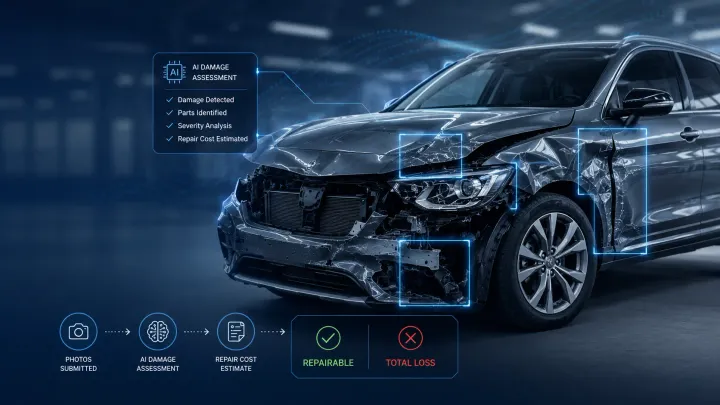
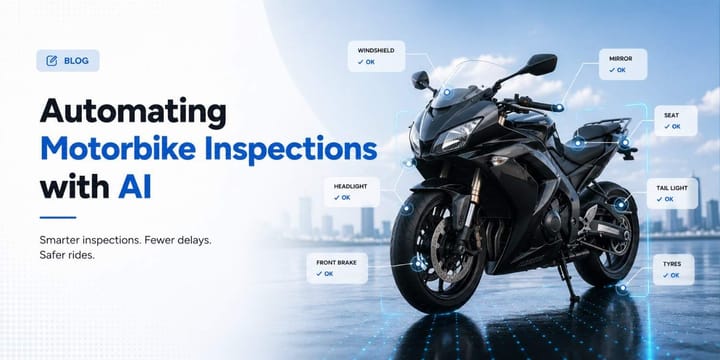
AI vehicle inspection software is transforming this process. Inspektlabs uses advanced computer vision to analyze vehicle images and videos captured via smartphones and API, enabling businesses to perform inspections remotely without manual intervention.
This helps businesses:
- Reduce labour costs
- Speed up the inspection process
- Generate standardized reports
- Reduce travel expenses
- Scale inspections across multiple locations
For insurance companies, car rental companies, fleet companies, used car dealerships, and logistics operators, these savings result in a major difference over time.
Digital vehicle inspections are also improving customer convenience. Drivers can complete parts of the inspection remotely without visiting a physical inspection centre.
As adoption grows globally, AI-powered inspections are becoming an important part of modern automotive operations.
Car inspection costs can vary a lot depending on where you live, the type of inspection required, and the condition of your vehicle. A simple annual inspection may be inexpensive, while a detailed used car inspection can cost much higher because of the time involved.
Understanding inspection requirements, preparing beforehand, and choosing the right inspection type can help drivers avoid unnecessary costs and failed inspections.
As digital vehicle inspection and AI car inspection technology continue to grow globally, businesses are also finding faster and more cost-effective ways to manage inspections at scale.
Frequently Asked Questions
How much does a car inspection cost?
A standard car inspection can cost between $10 to $200, depending on the type of inspection and location (where it is being conducted).
What does a car inspection include?
Vehicle Inspections usually involve:
- Brakes and brake system
- Tires and tread condition
- Lights (headlights, indicators, brake lights)
- Steering and suspension
- Emissions system
- Windshield and wipers
- Seat belts and safety features
- Fluid levels and battery condition
How long does a car inspection take?
A basic vehicle inspection can take anywhere between 30 and 60 minutes.
How often do I need a car inspection?
It depends on local laws. Many countries require yearly or biennial inspections.
Is there a free car inspection?
Some government-operated testing centres provide free emissions testing, and certain workshops also offer free multi-point checks as part of promotional service packages.
How much does a complete vehicle inspection cost
A complete vehicle inspection typically costs between $100 and $350. This type of inspection includes a full check of engine components, safety systems, brakes, and overall vehicle condition. Prices vary based on location, vehicle type, and the level of detail required.