Top Technological Trends Automotive Companies Have to Look Out for In 2026
The automotive industry is entering a phase where technology is no longer an enabler; it is the backbone of operations. In this blog, we will discuss the key trends automotive companies should actively prepare for in 2026.
The automotive industry is entering a phase where technology is no longer an enabler; it is the backbone of operations. Fleet operators, vehicle rental companies, and repair networks are being pushed to scale faster, operate leaner, and meet rising expectations around cost control, safety, and sustainability. As 2026 approaches, several technology trends are set to redefine how automotive businesses function day to day.
In this blog, we will discuss the key trends automotive companies should actively prepare for in 2026.
#1 - AI-powered vehicle inspections become an industry standard
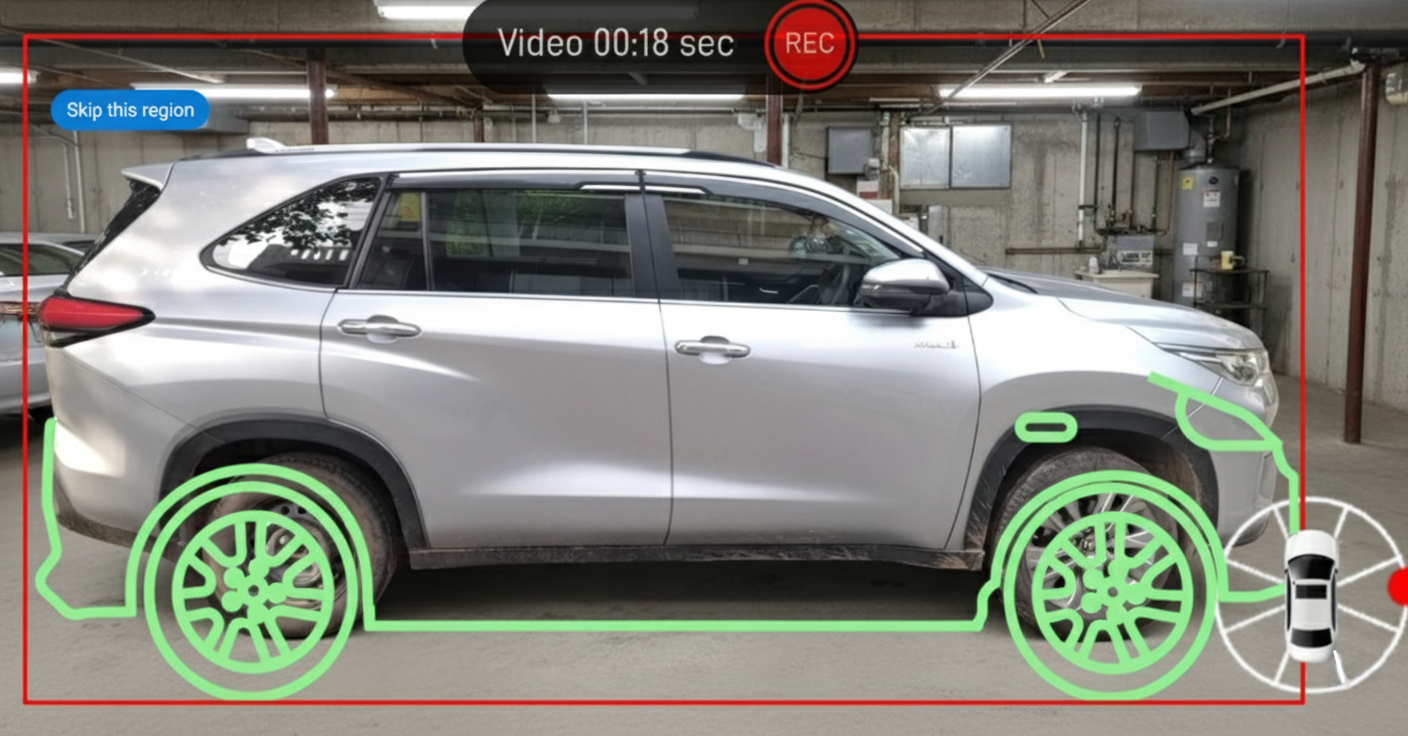
Manual checks are increasingly unable to keep up with scale. In 2026, vehicle inspections will be driven largely by AI, bringing consistency and speed at a process that has traditionally been subjective.
AI vehicle inspection enables faster assessments, standardized outcomes, and better decision-making across fleets, rentals, and repair networks. As AI adoption grows, companies that continue to rely on manual inspection processes risk falling behind on efficiency and accuracy.
#2 - Vehicle damage scanners & Drive-through inspection systems hit mass adoption
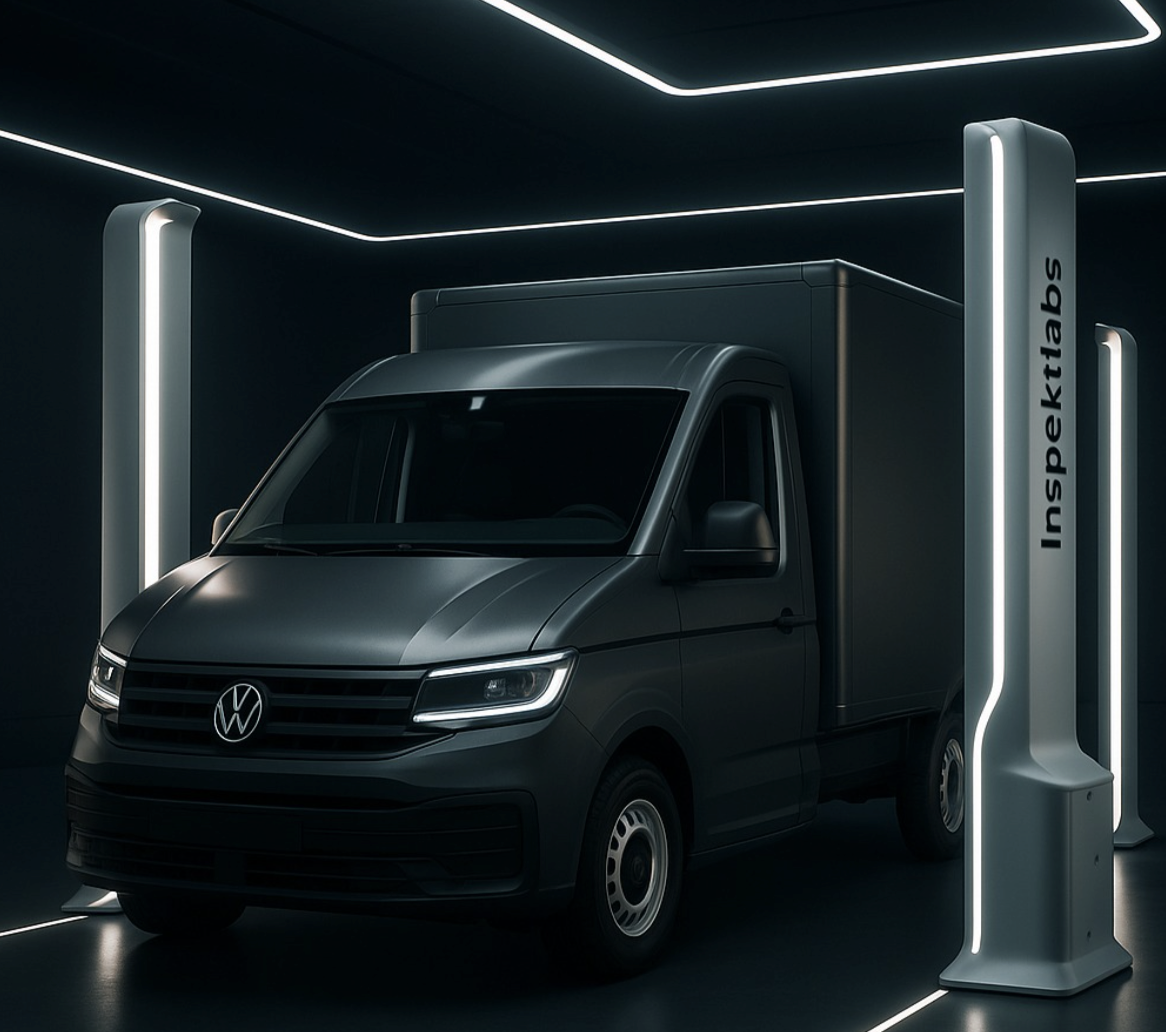
Vehicle damage scanners and drive-through systems are no longer experimental. These setups enable automated vehicle inspection at high throughput, making them ideal for fleet depots, rental yards, and repair hubs.
By automating vehicle damage inspection through camera-based systems, organizations can inspect vehicles in seconds (rather than minutes) without human intervention. This trend aligns with the broader push towards automation-first automotive operations.
#3 - Fleet and Rental companies accelerate the shift to EVs
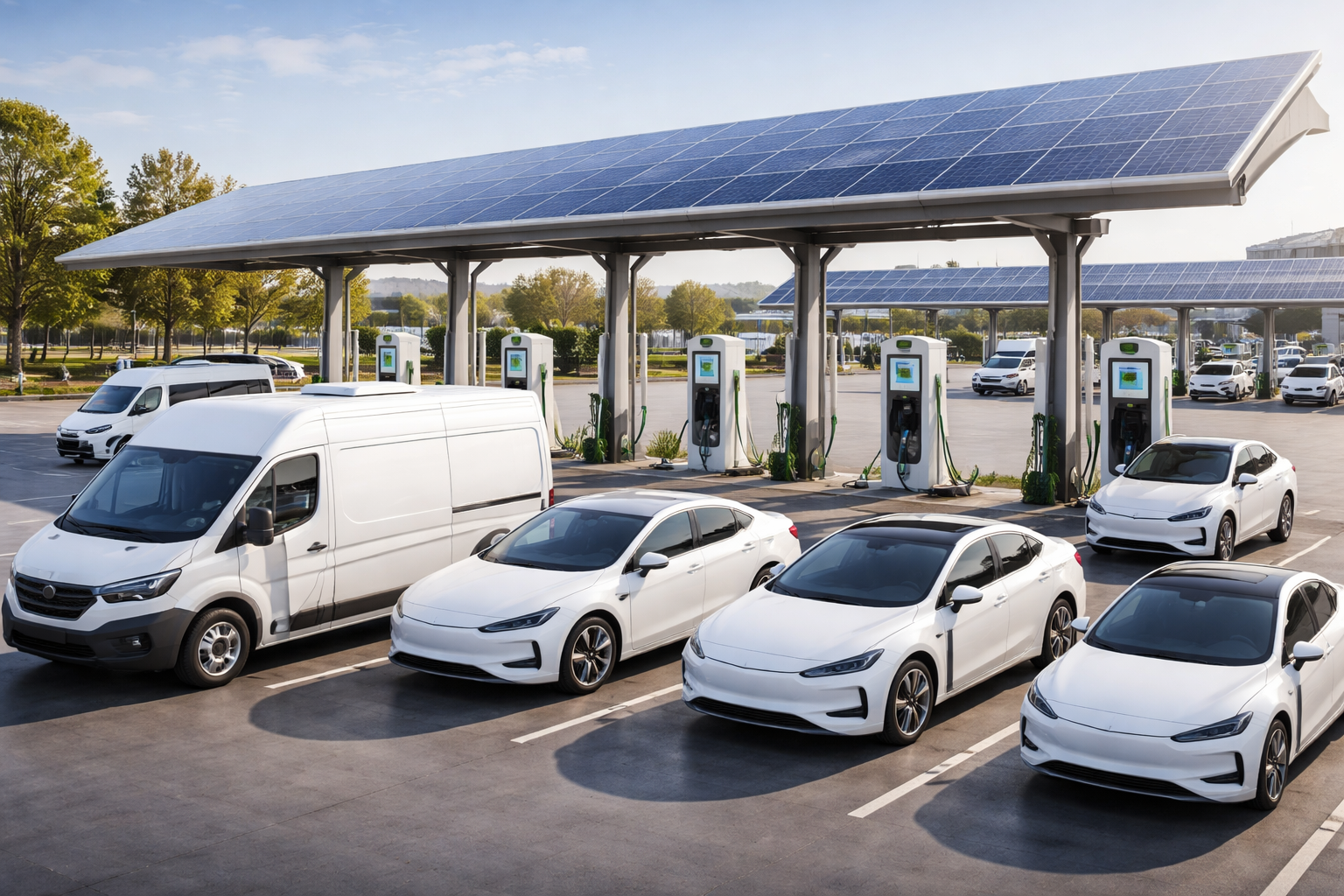
Electric vehicles are becoming central to cost-saving and sustainability strategies. However, EVs introduce new challenges around condition tracking and maintenance.
Regular vehicle inspection, supported by vehicle damage detection, helps identify early issues related to battery housing, underbody damage, and wear patterns, all of which are critical areas for EV safety and longevity. Technology-enabled inspection workflows will play a key role in keeping EV fleets operational and compliant.
#4 - Predictive maintenance powered by Telematics and AI
Predictive maintenance is moving from theory to execution. By combining Telematics data with AI-powered insights, companies can predict failures before they occur.
When paired with consistent vehicle damage inspection, predictive systems help fleet and repair networks reduce downtime, prevent costly breakdowns, and extend vehicle lifecycles. This shift reduces reactive repairs and enables smarter asset management at scale.
#5 - Advanced Driver Monitoring Systems (DMS) gain importance
Safety and compliance are under increased scrutiny. Driver monitoring systems that track attention, fatigue, and behaviour are becoming essential, especially for fleet operators.
While DMS focuses on drivers, its effectiveness increases when combined with structured vehicle inspection data. Together, they provide a holistic view of risk across both vehicle condition and driver behaviour.
#6 - Rental companies expand into subscription and micro-leasing via unified apps

Rental companies are rapidly evolving beyond daily rentals. Subscription models, carsharing, and micro-leasing are becoming mainstream, powered by unified digital platforms like Europcar.
A vehicle inspection app plays a critical role here, enabling fast check-ins, check-outs, and self-inspections. Remote vehicle inspections allow customers to complete inspections without staff intervention, making these new business models scalable and cost-effective.
#7 - Computer vision-driven parking, tolling, and access automation
Computer vision is transforming access control across parking facilities, toll booths, and gated depots. These systems rely on real-time visual analysis to automate entry and exit without manual checks.
The same computer vision capabilities used in vehicle damage detection are now being applied to broader automotive infrastructure, reinforcing the industry-wide shift towards visual intelligence.
#8 - Fraud prevention technology becomes non-negotiable
As automotive operations digitize, fraud risks increase. By 2026, Fraud detection in vehicle inspections will be a baseline requirement rather than an added feature.
AI-driven inspection systems can flag inconsistencies, repeated damage claims, or manipulated images, helping rental companies, fleets, and repair networks reduce losses and disputes.
#9 - Sustainable operations through AI and automation
Sustainability is moving beyond reporting into execution. Reducing unnecessary vehicle movement, avoiding over-repairing, and eliminating paper-based processes all depend on technology.
Automated and remote vehicle inspection workflows help organizations reduce emissions while improving efficiency. Sustainability in 2026 will be driven by smarter systems and not manual effort.
#10 - Marketplaces and auction platforms go fully digital
Vehicle resale, auctions, and B2B marketplace are becoming entirely digital. Trust in these platforms depend on transparent, standardized condition reporting.
Accurate vehicle damage inspection supported by AI enables buyers and sellers to transact with confidence without physical inspections. This trend is reshaping how vehicles move through secondary markets.
Conclusion
The automotive industry in 2026 will be defined by how well companies adopt technology across core workflows. From vehicle inspection and automation to fraud prevention, sustainability, and digital platofrms, these trends are no longer optional.
Fleet operators, vehicle rental companies, and repair networks that invest early in AI-driven, automated, and scalable systems will be better positioned to compete in an increasingly digital automotive ecosystem.