Tracking Incremental Vehicle Damage at Scale: The role of AI in Modern Fleet Management
Check-in/check-out inspections is a crucial process for fleet companies but tends to break when it needs to be done manually & on a larger scale. Enter AI-powered vehicle inspections, built to automate incremental damage tracking for better fleet management.
For large fleet operators, vehicle health rarely deteriorates overnight. The real problem lies in incremental damage, i.e., small issues that occur trip after trip and quietly compound into major repair costs, downtime, or early asset retirement.
This is why check-in/check-out inspections are a critical part of fleet vehicle maintenance. Comparing vehicle condition before a trip and after it returns allows operators to catch problems early and keep assets in service longer.
In this blog, we talk about the challenges involved in conducting check-in/check-out inspections manually and how AI can help automate this process, making it cheaper, faster, and more efficient.
Where manual inspections start to fail
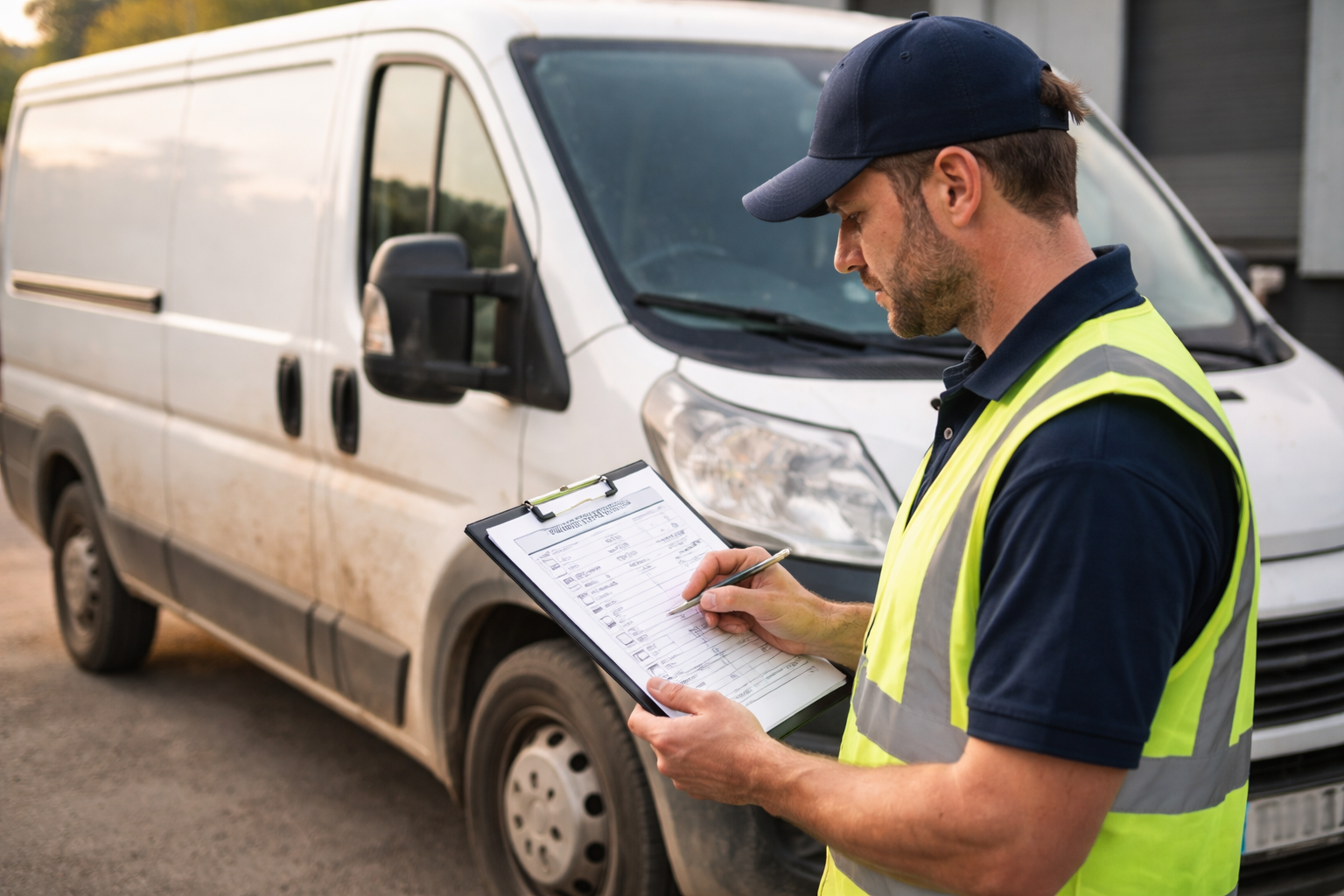
In a typical manual setup, fleet operators assign inspectors to record vehicle condition, driver details, trip timings, and routes. While this works for small fleets, it breaks down quickly as operations scale.
Inspectors have limited time per vehicle. Documentation quality varies from person to person. Minor damage is often missed or noted inconsistently. When damage is discovered later, it is difficult to trace when it occurred or who was responsible.
This creates gaps in maintenance planning, making it reactive rather than planned.
How AI vehicle inspections fit the workflow of incremental damage reporting
AI vehicle inspections are designed to remove friction from check-in/check-out inspections while improving data quality. Instead of relying on human judgment, inspections are driven by visual evidence and automated analysis.
Fleet teams typically deploy this in two ways
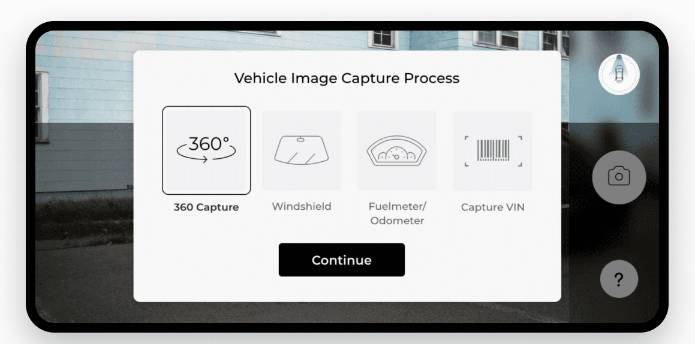
Smartphone-based inspections
Drivers use a truck inspection app to capture images or videos of the vehicle during check-in/check-out. The system automatically detects new damage and generates a report that becomes a part of the vehicle's inspection history.
Vehicle Damage Scanners at the facility
For high-volume fleets, vehicle damage scanners are installed in a designated spot at the warehouse or the yard. Drivers simply pass the vehicle through the setup. The vehicle inspection software captures the vehicle from pre-defined angles and generates a condition report within minutes.
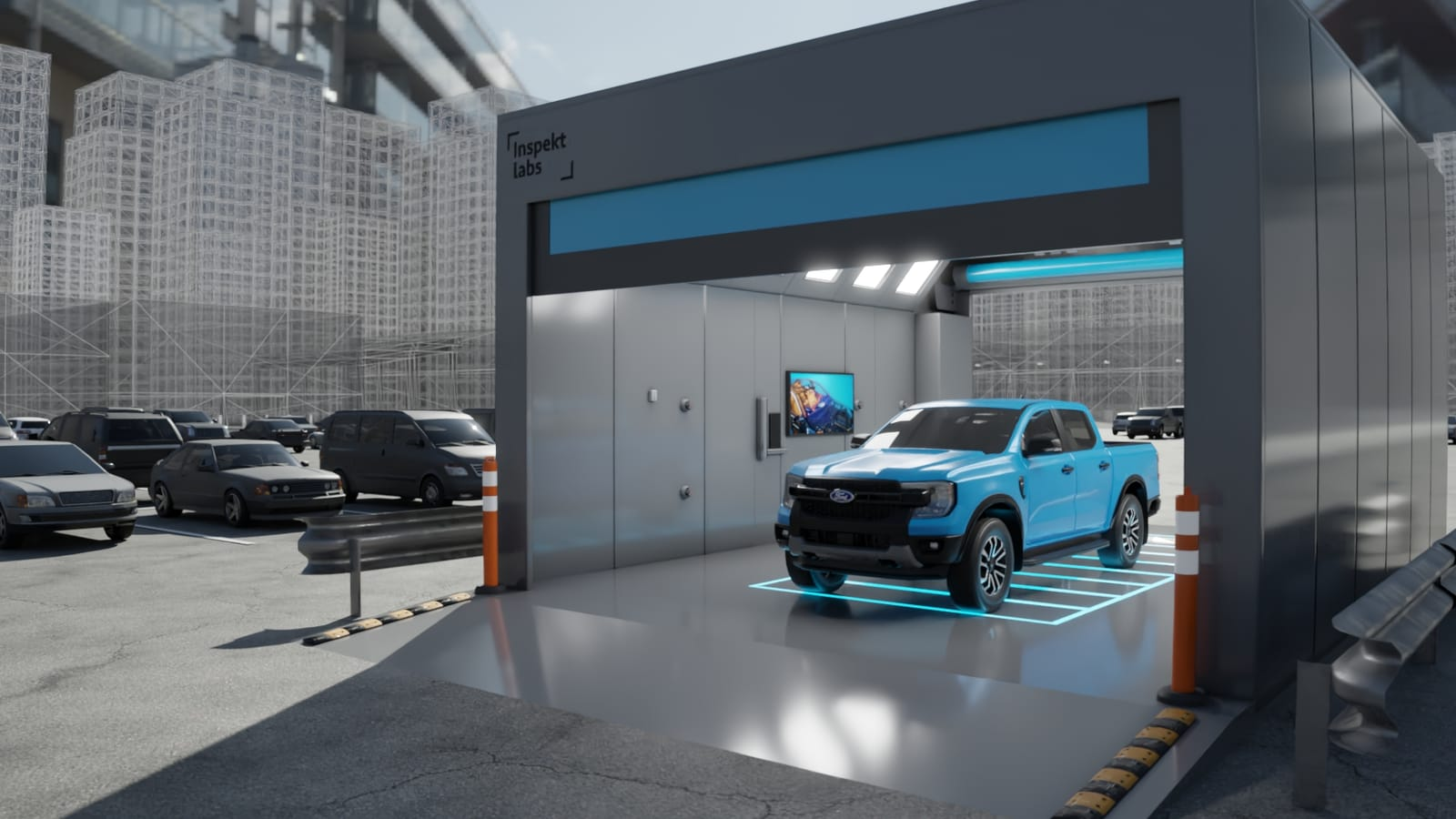
Both approaches ensure inspections happen before and after every trip, not just when manpower is available.
What makes this product-led approach effective
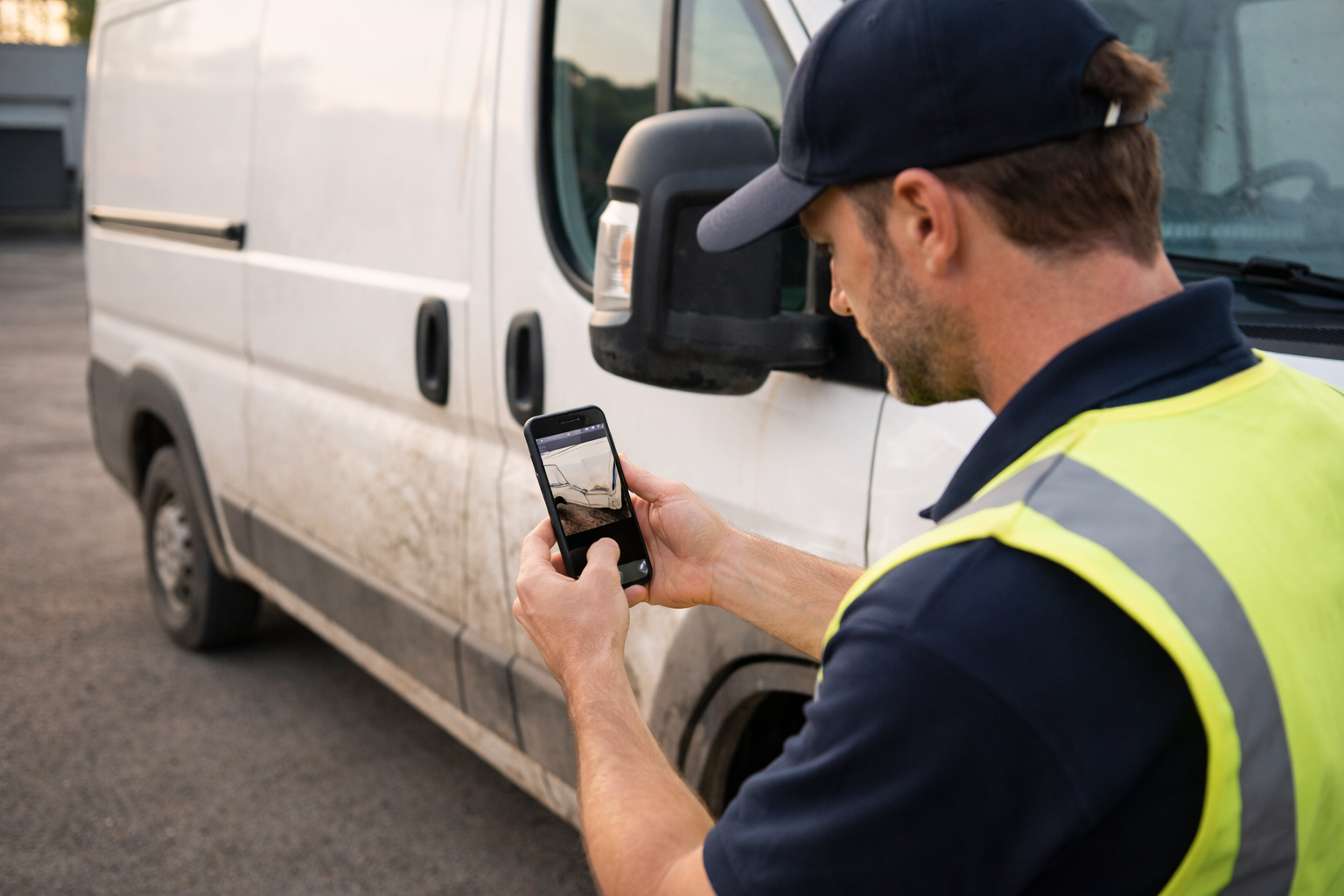
Damage is detected automatically
Incremental damage is identified by comparing current inspections with previous records. This removes subjectivity and improves the accuracy of vehicle damage assessments.
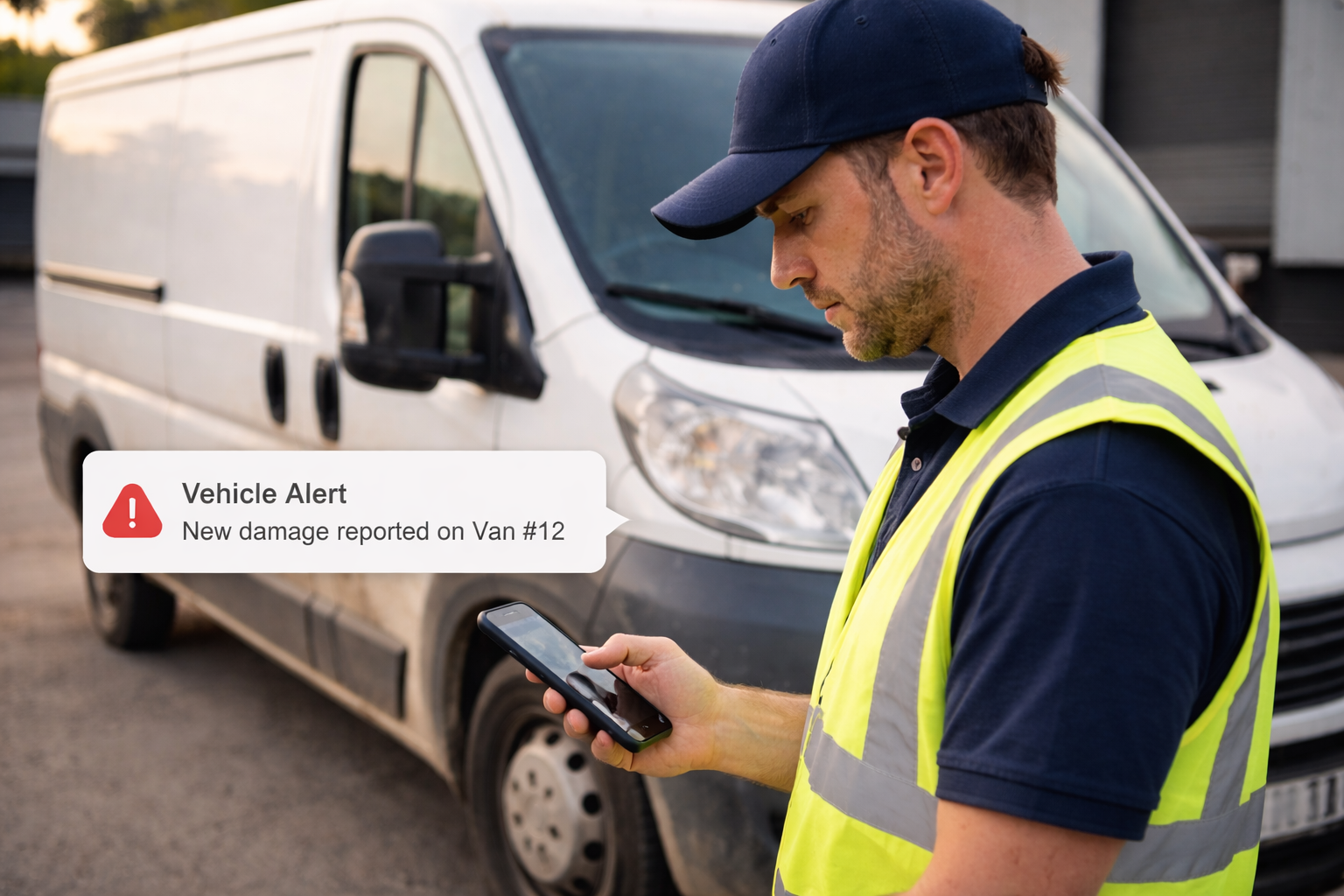
Fleet managers are notified in real-time
As soon as the AI detects damage on a vehicle during check-in/check-out inspections, the fleet manager or the fleet owner receives a notification in real-time, alerting them about the new damage on the vehicle and enabling them to take necessary action.
Driver accountability is built into the system
Each inspection is tied to the driver assigned to the vehicle for that trip. When damage is detected, fleet managers have a clear context instead of assumptions or disputes.
Inspection data feeds existing systems
Inspection reports integrate with the fleet inspection software, enabling teams to schedule maintenance based on real condition data instead of at fixed intervals.
Maintenance becomes proactive
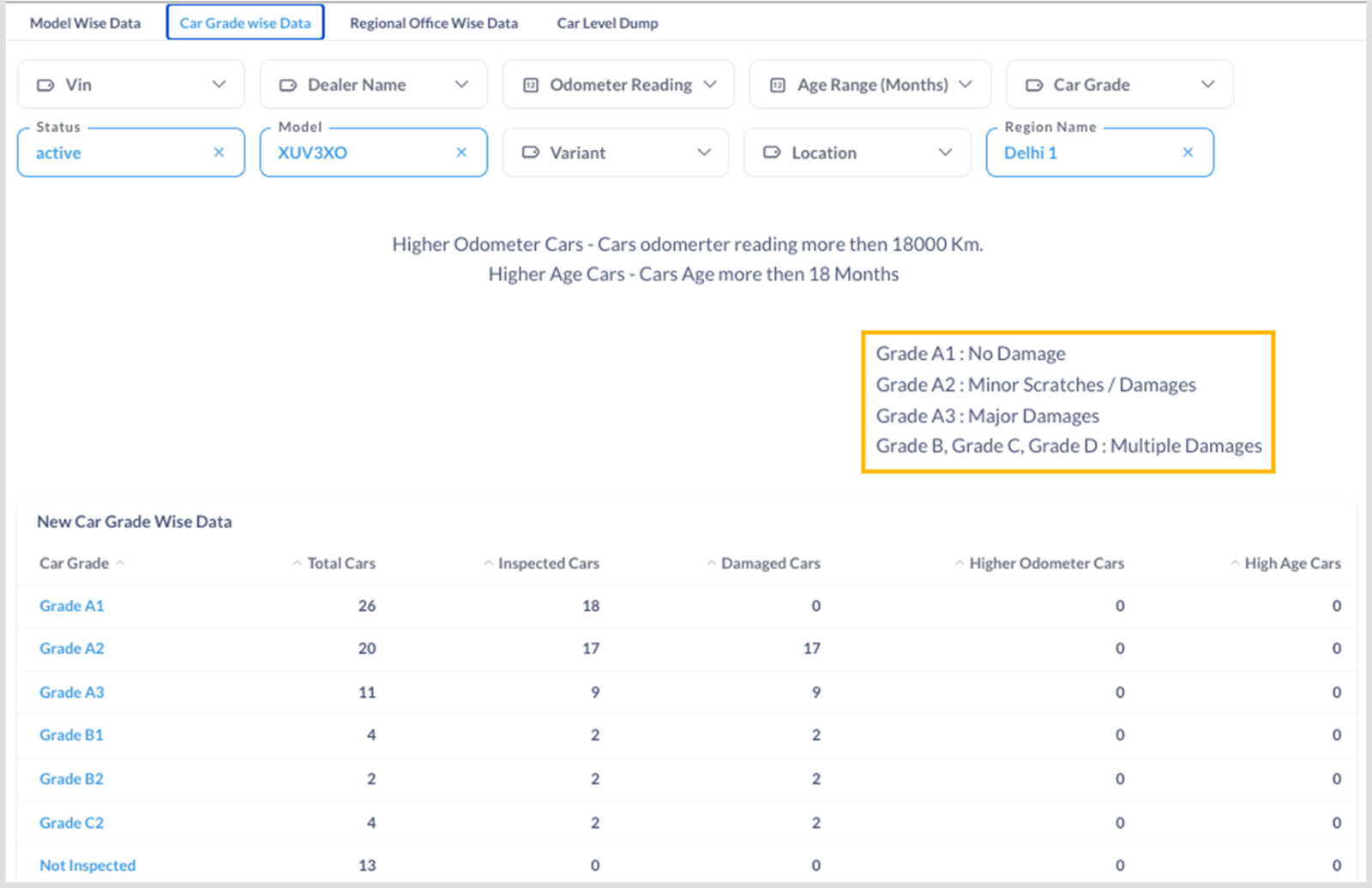
With consistent inspection data, fleets can grade vehicle condition, prioritize repairs, and plan servicing before failures occur. Over time, this improves asset health and extends vehicle lifespan.
Vehicle history is digitally recorded
As soon as an inspection is completed, the AI model is trained to carefully analyze the data and generate a detailed report in just a few minutes. This data is digitally stored and can be accessed using an app/website, removing the need for any kind of manual paperwork.
Why Fleet teams choose solutions like Inspektlabs
Product-led vehicle inspection platforms like Inspektlabs are built to fit into daily fleet operations, not disrupt them. The focus is on speed, consistency, and actionable outputs rather than standalone reports.
By combining AI vehicle inspections with smartphone workflows and vehicle damage scanners, fleets can standardize inspections across locations without adding operational overhead. The result is better data, faster decisions, and stronger control over fleet vehicle maintenance.
Conclusion
Incremental damage tracking during check-in/check-out is one of the most effective ways to reduce long-term fleet costs, but only when it is done consistently. Manual inspections struggle to scale and often fail to provide the data needed for informed maintenance decisions.
AI vehicle inspections solve this by automating check-in/check-out inspections, improving vehicle damage assessment, sharing real-time damage notifications and integrating directly into existing fleet systems. Whether deployed through a truck inspection app or via vehicle damage scanners, it enables fleet operators to protect asset health, reduce downtime, and operate with greater efficiency.
For modern fleet teams, this is not about replacing people. It is about giving them reliable data to run smarter operations.