Top 10 Automotive Technology Trends in 2026 (AI, EVs, SDVs & Automation)
The automotive industry in 2026 is shifting faster than most companies are prepared for. What used to be gradual innovation is now a rapid transformation driven largely by AI, the rise of electric vehicles (EVs), and increasing pressure to automate operations.
AI is already moving beyond experimentation into real-world use cases like vehicle inspections, claims processing, and predictive maintenance. At the same time, software-defined vehicles (SDVs) are changing how cars function, turning them into continuously evolving systems rather than static products. Add to that the scale of EV adoption and the push toward automation across fleets and operations, and the industry is becoming far more software- and data-driven than ever before.
For insurers, fleet operators, and automotive businesses, this isn’t just about keeping up with trends; it’s about understanding which technologies will actually impact cost, efficiency, and customer experience. In this blog, we break down the key automotive technology trends shaping 2026 and what they mean in practice.
Latest automotive technology trends in 2026
The automotive industry is being reshaped by a combination of AI, electrification, and software-driven innovation. Key trends include:
Core AI Layer
This layer focuses on intelligence, automation, and risk detection across vehicle workflows:
- AI-powered vehicle inspections
- Automated scanning and drive-through systems
- Fraud detection in vehicle ecosystems
Mobility Transformation Layer
This layer is redefining how vehicles operate and evolve:
- Electric vehicle (EV) adoption
- Predictive maintenance powered by telematics
- Software-defined vehicles (SDVs) and connected systems
Operational Transformation Layer
This layer focuses on efficiency, business models, and digital infrastructure:
- Rental and subscription mobility models
- Computer vision-based automation systems
- Sustainable and low-emission operations
- Digital vehicle marketplaces and auctions
Let's discuss the latest automotive trends in details:
#1 - AI-powered vehicle inspections become an industry standard
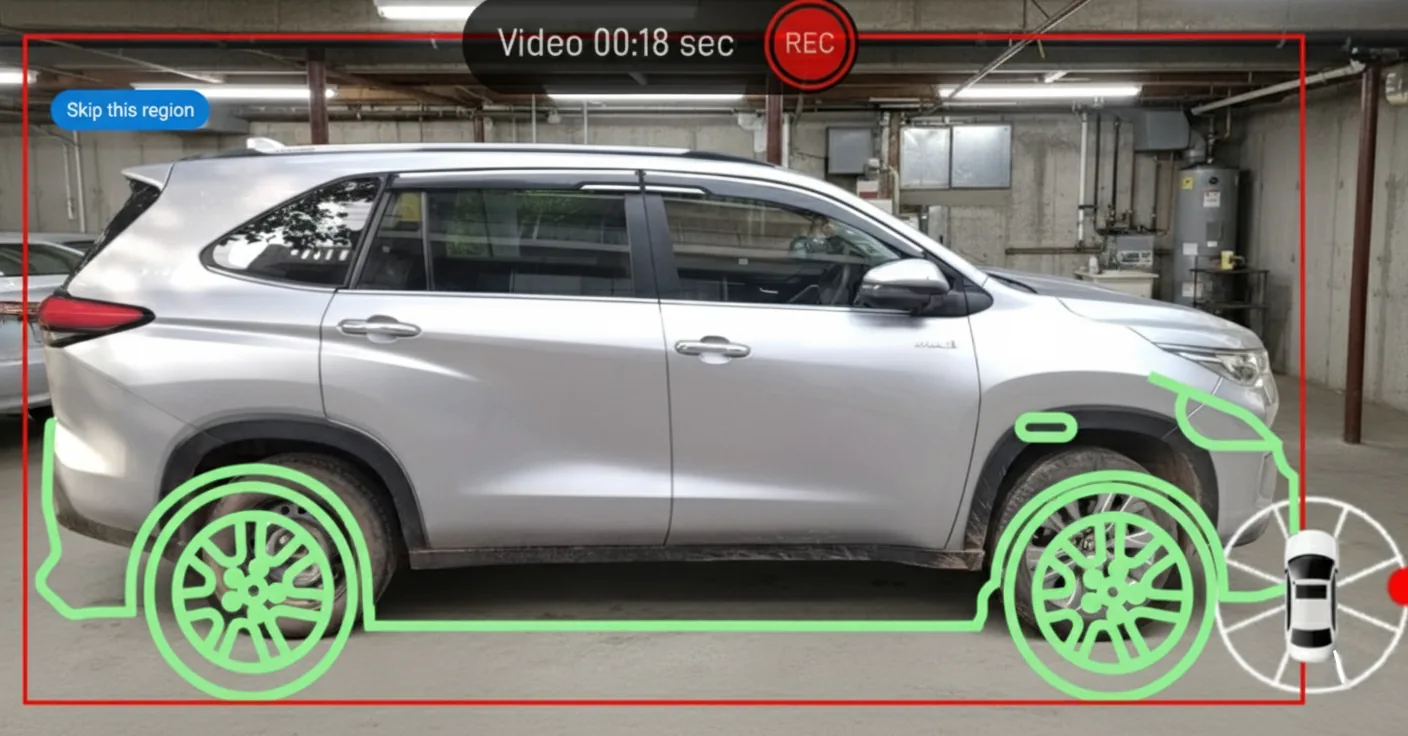
Manual vehicle inspections are increasingly unable to keep up with scale. Inspections have evolved a lot over the years, and in 2026, vehicle assessment will be largely driven by AI, enabling greater speed, consistency, and standardization in a process that has traditionally been subjective.
AI-driven systems improve efficiency across fleets, rentals, and repair networks by delivering faster evaluations, standardized outcomes, and better decision-making. As adoption grows, companies relying on manual inspection processes risk falling behind in both accuracy and operational efficiency.
#2 - AI-powered drive-through scanning & automated damage detection systems scale
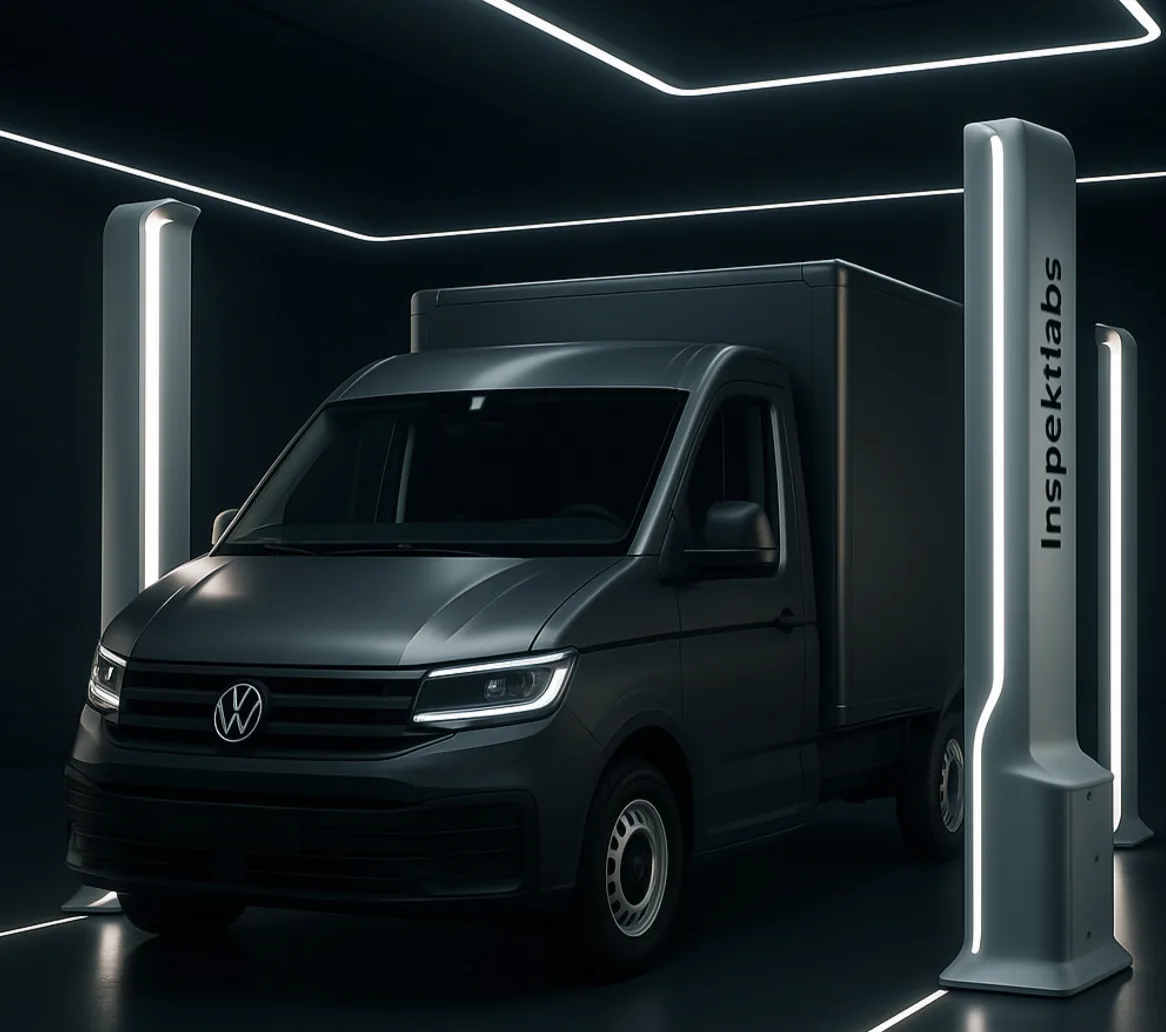
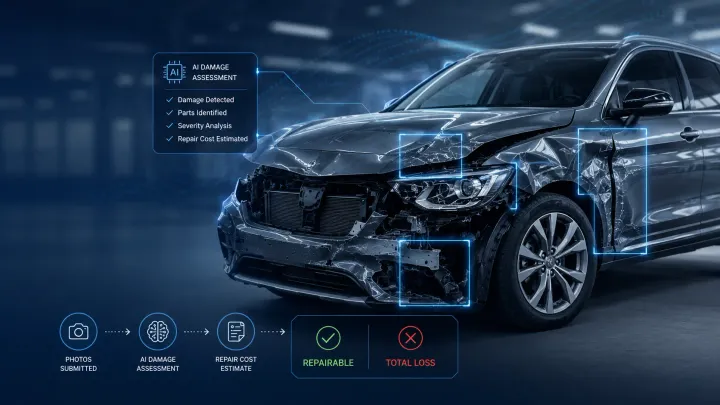
Vehicle damage scanners and drive-through systems are no longer experimental. These solutions enable high-throughput, automated vehicle assessments, making them ideal for fleet depots, rental yards, and repair hubs.
By using camera-based and computer vision systems, organizations can evaluate vehicle condition in seconds instead of minutes, without manual intervention. This shift significantly improves operational efficiency and supports the broader move toward automation-first automotive workflows.
For a deeper look at how businesses are modernizing their inspection workflows, learn more about automating vehicle inspections in 2026.
#3 - Fleet and Rental companies accelerate the shift to EVs
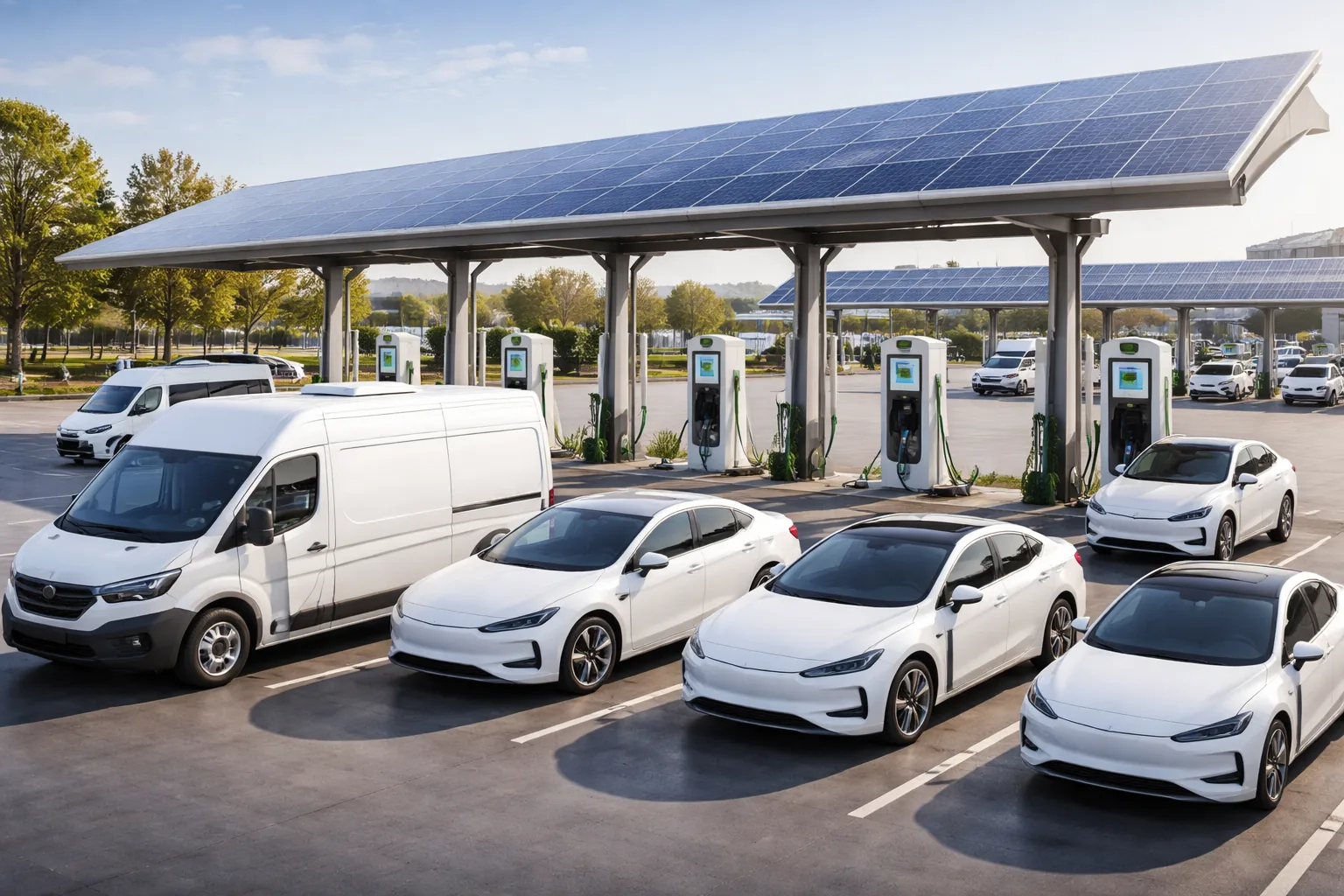
Electric vehicles are becoming central to cost-saving and sustainability strategies across fleet and rental operations. However, EVs also introduce new challenges around condition tracking, maintenance, and safety monitoring.
Regular inspections, supported by advanced vehicle damage detection systems, help identify early issues such as battery housing damage, underbody wear, and structural stress, critical factors for EV safety and long-term performance.
As EV adoption grows, digital vehicle workflows will play a key role in ensuring fleets remain efficient, compliant, and operational at scale.
Automotive Technology Trends 2026
AI-powered inspection is quickly becoming the industry standard
See how AI-driven vehicle assessment fits into your operations before it becomes a competitive disadvantage.
What are the latest advancements in vehicle technology?
Beyond individual trends, the automotive industry is seeing deeper technological shifts. Software-defined vehicles (SDVs) are enabling over-the-air updates and new revenue models. Generative AI is being used for diagnostics, customer support, and design optimization. At the same time, advancements in ADAS and autonomous driving technologies are improving safety and driving experience.
These innovations are pushing the industry toward a more connected, intelligent, and software-driven ecosystem.
#4 - Predictive maintenance powered by Telematics and AI
Predictive maintenance is moving from theory to execution. By combining Telematics data with AI-powered insights, companies can predict failures before they occur.
When paired with consistent vehicle damage inspection, predictive systems help fleet and repair networks reduce downtime, prevent costly breakdowns, and extend vehicle lifecycles. This shift reduces reactive repairs and enables smarter asset management at scale.
#5 - Advanced Driver Monitoring Systems (DMS) gain importance
Safety and compliance are under increased scrutiny. Driver monitoring systems that track attention, fatigue, and behaviour are becoming essential, especially for fleet operators.
While DMS focuses on drivers, its effectiveness increases when combined with structured vehicle inspection data. Together, they provide a holistic view of risk across both vehicle condition and driver behaviour.
#6 - Rental companies expand into subscription and micro-leasing via unified apps

Rental companies are rapidly evolving beyond daily rentals. Subscription models, carsharing, and micro-leasing are becoming mainstream, powered by unified digital platforms like Europcar.
A vehicle inspection app plays a critical role here, enabling fast check-ins, check-outs, and self-inspections. Remote vehicle inspections allow customers to complete inspections without staff intervention, making these new business models scalable and cost-effective.
#7 - Computer vision-driven parking, tolling, and access automation
Computer vision is transforming access control across parking facilities, toll booths, and gated depots. These systems rely on real-time visual analysis to automate entry and exit without manual checks.
The same computer vision capabilities used in vehicle damage detection are now being applied to broader automotive infrastructure, reinforcing the industry-wide shift towards visual intelligence.
#8 - Fraud prevention technology becomes non-negotiable
As automotive operations digitize, fraud risks increase. By 2026, Fraud detection in vehicle inspections will be a baseline requirement rather than an added feature. Advanced AI systems are now improving accuracy in identifying hidden or manipulated damage through vehicle damage detection systems.
Claim processing systems can flag inconsistencies, repeated damage claims, or manipulated images, helping rental companies, fleets, and repair networks reduce losses and disputes.
#9 - Sustainable operations through AI and automation
Sustainability is moving beyond reporting into execution. Reducing unnecessary vehicle movement, avoiding over-repairing, and eliminating paper-based processes all depend on technology.
Automotive inspection automation and remote vehicle inspection workflows help organizations reduce emissions while improving efficiency. Smarter systems and not manual effort will drive sustainability in 2026.
#10 - Marketplaces and auction platforms go fully digital
Vehicle resale, auctions, and B2B marketplaces are becoming entirely digital. Trust in these platforms depends on transparent, standardized condition reporting.
Accurate AI-supported vehicle damage inspection enables buyers and sellers to transact with confidence without physical inspections. This trend is reshaping how vehicles move through secondary markets.
Car repair and maintenance trends in 2026
Vehicle repair and maintenance are becoming more data-driven and automated. AI-powered inspection tools are reducing manual errors and speeding up damage assessment. Predictive maintenance systems are helping fleet operators identify issues before breakdowns occur, reducing downtime and costs. The rapid growth of these technologies reflects the broader increase in AI adoption across vehicle inspection workflows.
In addition, digital workflows and automation are streamlining repair processes, improving efficiency for insurers, repair shops, and fleet managers.
Conclusion
The automotive industry in 2026 will be defined by how well companies adopt technology across core workflows. From vehicle assessment and automation to fraud prevention, sustainability, and digital platforms, these trends are no longer optional.
Fleet operators, vehicle rental companies, and repair networks that invest early in AI-driven, automated, and scalable systems will be better positioned to compete in an increasingly digital automotive ecosystem.
As the industry evolves, the key question becomes: how prepared is your organization to adapt to these changes? Exploring AI-led inspection and automation solutions today can be the first step toward building that readiness.
Frequently Asked Questions (FAQs)
What are the latest automotive technology trends in 2026?
The latest automotive technology trends in 2026 include AI-powered vehicle inspections, electric vehicles (EVs), predictive maintenance, software-defined vehicles (SDVs), and connected car systems. These technologies are making vehicles smarter, more efficient, and increasingly software-driven.
What is the future of car technology?
The future of car technology is software-driven, connected, and automated. Vehicles will rely on AI, real-time data, and over-the-air updates to improve performance, safety, and user experience over time.
How is AI used in the automotive industry?
AI is used in vehicle assessment, damage detection, predictive maintenance, and fraud detection. It helps automate processes, improve accuracy, and reduce operational costs across automotive businesses.
What are car repair and maintenance trends in 2026?
Car repair and maintenance in 2026 are becoming automated and data-driven. AI-powered inspections and predictive maintenance systems help detect issues early, reduce downtime, and improve repair efficiency.
What are software-defined vehicles (SDVs)?
Software-defined vehicles (SDVs) are vehicles where software controls key functions and can be updated over time. This allows new features and improvements through over-the-air updates without physical changes.
Why is automation important in the automotive industry?
Automation improves efficiency, reduces human error, and speeds up operations. It is widely used in manufacturing, inspections, and claims processing to deliver faster and more consistent results.