Truck Inspection Software: How Fleet Operators Automate and Replace Manual Checks
Nearly 1 in 5 commercial vehicles inspected during the CVSA's 2025 International Roadcheck were put out of service, resulting in an 18.1% out-of-service rate across 56,178 inspections in North America. Most of these damages (brake defects, tyre issues, and lighting failures) should have been caught before the vehicle reached the road.
While manual inspections have been the traditional method of inspecting trucks, they're prone to errors and hence, cost fleets in penalties, downtime, and liability. This is where vehicle inspection software starts to make a measurable difference.
In large fleet operations, inspections are not just a compliance task, they directly impact uptime, cost control, and liability. In practice, teams often deal with rushed walkarounds, inconsistent reporting between drivers, and missing documentation during shift changes. These gaps are where most inspection-related issues actually originate. This article covers what truck inspections involve, why manual processes fail at scale, and how heavy-duty fleet and truck inspection software is changing the way commercial vehicle inspections are conducted.
What is a Truck Inspection?
A truck inspection is a detailed assessment of a commercial vehicle's health, safety systems, and physical condition. It helps determine whether the vehicle is roadworthy, complies with regulatory standards, and is fit for the trip it has to make.
These inspections cover brakes, tyres, lights, suspension, steering, engine systems, coupling devices, cargo securement, and the vehicle's exterior body condition. For larger commercial vehicles, they also include trailer components, fuel systems, and exhaust.
The inspector then logs his findings in a vehicle condition report, which works as a documented record of what was checked, what was found, and what action was taken.
This report is the legal and operational record of the vehicle's condition at the time of inspection.
Why Truck Inspections Are Important for the Fleet?
Heavy vehicles operate under demanding conditions, and even small mechanical issues can lead to serious consequences. Brake failures and tyre blowouts, for example, are among the leading causes of severe road incidents in freight and logistics. A fully loaded truck losing braking capability leaves very little room for recovery.
For fleet operators, the impact goes beyond safety. Vehicles with repeated out-of-service violations accumulate poor CSA scores over time, affecting carrier ratings, relationships with shippers, and even insurance premiums.
At scale, the problem becomes even bigger. Managing inspections across hundreds of vehicles means that even a few missed checks can lead to costly downtime. A single truck failing a roadside inspection can disrupt schedules, delay deliveries, and significantly increase operational costs, often exceeding the cost of regular inspections.
Manual Inspections Slowing You Down?
See how fleets are reducing inspection time by up to 90%
AI-powered truck inspections replace long manual walkarounds with a faster, standardized process.
What is AI Truck Inspection Software?
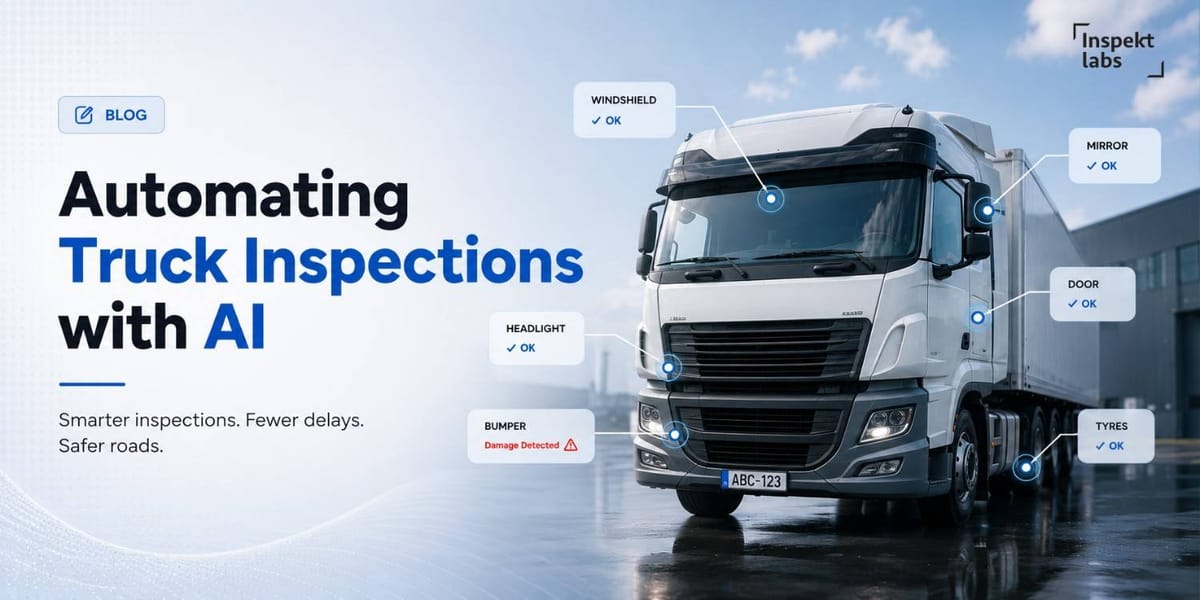
AI truck inspection software uses computer vision and machine learning to automatically detect vehicle damage, assess condition, and generate inspection reports from images or videos. Instead of relying on manual checks, fleet operators can use AI to standardize inspections, reduce human error, and scale operations across multiple locations.
This technology is especially useful for large fleets or heavy-duty vehicles, logistics companies, and insurance providers who need fast, accurate, and consistent vehicle assessments.
How Automated Truck Inspections Work?
AI-powered commercial vehicle inspections replace the traditional paper-based walkaround with a structured digital process. For many fleet operators, manual inspections are time-consuming and inconsistent; this is where automation makes a difference.
A driver or fleet operator uses a truck inspection app to capture photos and videos of the vehicle from guided angles. The media is uploaded to the cloud, where an AI model analyzes the imagery, detects visible damage across key components, and automatically generates a vehicle condition report.
The entire process takes just 3 to 5 minutes per vehicle, with reports available in under two minutes after submission.
Who Should Consider Truck Inspections Software?
Commercial vehicle inspections are mandated across multiple regulatory frameworks, with requirements varying by jurisdiction and vehicle type.
- Fleet managers and logistics operators: Run internal inspection programmes beyond regulatory minimums. These cover pre-hire inspections, shift handover checks, post-incident assessments, and end-of-lease condition recording.
- Insurers: Require documented vehicle condition at the point of policy inception, particularly for high-value or high-risk commercial assets.
- FMCSA (USA): Requires daily pre-trip and post-trip Driver Vehicle Inspection Reports (DVIRs) under 49 CFR 396.11 and 396.13. Electronic DVIRs were explicitly authorised under FMCSA final rule FMCSA-2025-0115, effective March 2026.
- DVSA (UK): Requires daily walkaround checks for commercial vehicle operators. Operators are also subject to DVSA roadside checks and annual vehicle testing.
- EU Regulation 2014/47/EU: Mandates technical roadside inspections for commercial vehicles across EU member states, with risk-based targeting for frequent offenders.
Is This Relevant for Your Operations?
See how AI fits into your inspection workflow
Whether you're managing fleets, handling claims, or tracking vehicle conditions, explore how AI can standardize and speed up inspections.
Why Manual Truck Inspections Are Slow and Hard to Scale
A thorough manual walkaround inspection of a single truck takes 30 to 45 minutes. For a fleet of 100 vehicles, that is 50 to 75 hours of inspection time per cycle, before accounting for documentation.
The documentation problem compounds this. Paper-based DVIRs and manual condition reports introduce transcription errors, get misfiled, and create no searchable audit trail. Flagged defects sometimes go unreported because drivers are under time pressure. The industry term for this is 'pencil whipping': signing off an inspection report without actually completing the check.
Consistency is the other failure point. Two drivers inspecting the same vehicle at different times may document different findings. Without a standardised capture process, no two inspections produce comparable outputs. That makes trend analysis, maintenance planning, and liability attribution unreliable.
At scale, these problems multiply. A logistics operator running 500 vehicles across multiple depots cannot enforce inspection quality through management oversight alone. The manual process simply does not have the throughput or the consistency required.
What AI Truck Inspection Software Can Detect
AI truck inspection software is designed to detect a wide range of visible damages across different parts of a commercial vehicle, ensuring no critical issue is missed during inspections.
- Exterior body damage: dents, scratches, panel deformation, and paint defects across cab, body, and trailer.
- Glass damage: cracks, chips, and breaks on windscreens and mirrors.
- Lighting: missing or visibly damaged light assemblies flagged from imagery.
- Tyres and rims: visible damage, bulging, and rim deformation detectable from images.
- Cargo area: damage to loading doors, barn doors, tail lifts, lashing hooks, truck bed floors, and bulkheads.
- Undercarriage and trailer: coverage for trailers, racking, and undercarriage components where visible.
Benefits of AI for Fleet Truck Inspections
AI-powered truck inspections offer significant advantages over manual processes:
- Faster Inspections
Complete inspections in minutes instead of hours - Cost Reduction
Reduce manual labor and operational costs by up to 70–90% - Higher Accuracy
Minimize human error and ensure consistent damage detection - Scalability
Easily handle inspections across hundreds or thousands of vehicles - Standardization
Maintain uniform inspection quality across locations and teams
Scale Without Compromise
Standardize inspections across every vehicle and location
Maintain consistent inspection quality while reducing costs and human error.
Manual vs AI Truck Inspection Comparison
To understand the real impact of automation, here’s a comparison between manual truck inspections and AI-powered truck inspection software across key operational factors:
| Feature | Manual Truck Inspection | AI Truck Inspection |
|---|---|---|
| Time | 30–60 minutes | 3–5 minutes |
| Accuracy | Depends on inspector | Consistent and data-driven |
| Cost | High labor cost | Lower operational cost |
| Scalability | Limited | Highly scalable |
| Reporting | Manual and delayed | Instant and automated |
AI eliminates subjectivity and delays, making it ideal for modern fleet operations.
How Inspektlabs handles truck inspections
Inspektlabs' AI is trained on over 10 million real-world vehicle damage images across commercial vehicle types. The model identifies damage, classifies it by type and severity, and generates a timestamped, tamper-proof vehicle condition report for every inspection.
Reports are stored digitally and retrievable for compliance audits, insurance claims, and maintenance planning. The platform integrates with existing fleet management systems via API, so inspection data flows directly into whichever workflow the operator already uses.
For fleet operators running pre-shift and post-shift inspections, this creates a continuous damage record across every vehicle. Incremental damage is tracked automatically. Any change between two inspection reports is flagged, attributing it to the relevant shift or driver.
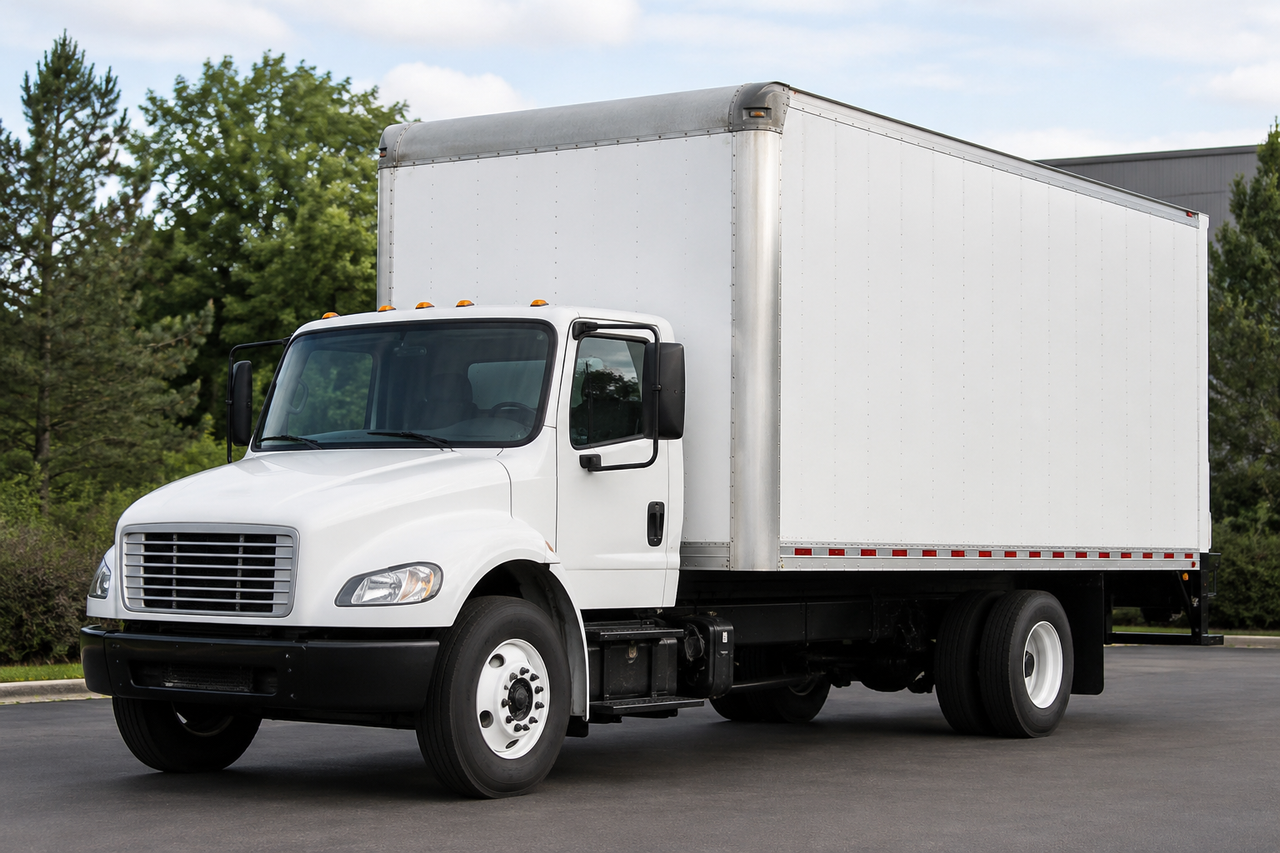
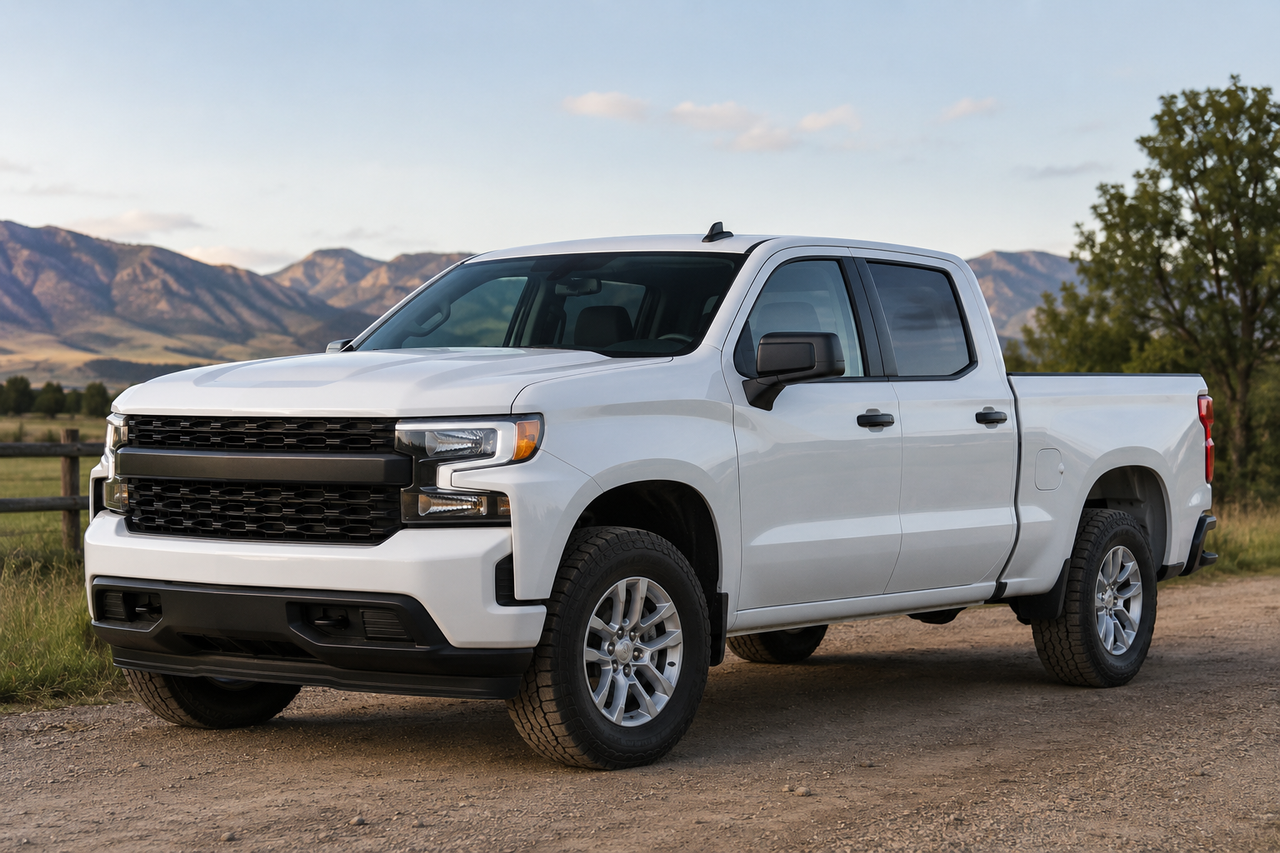
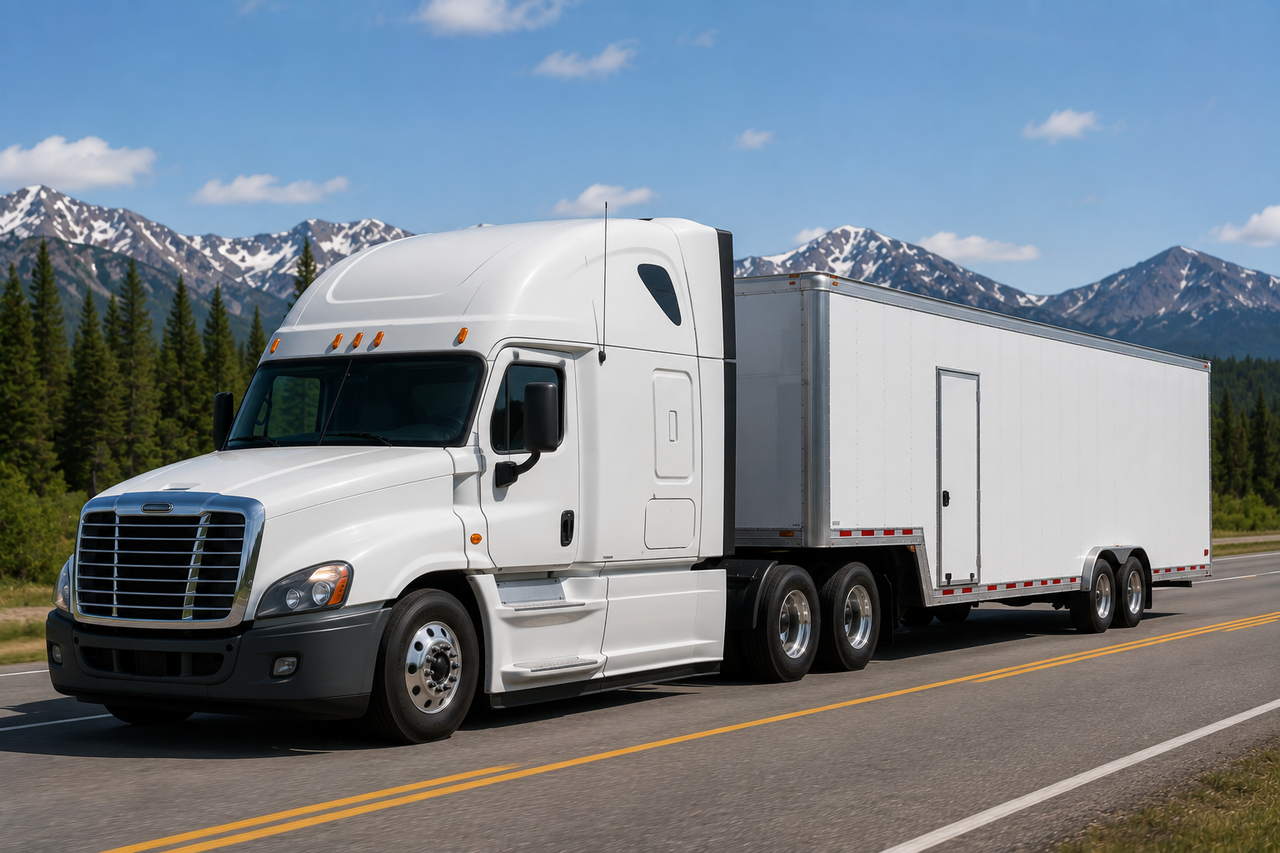
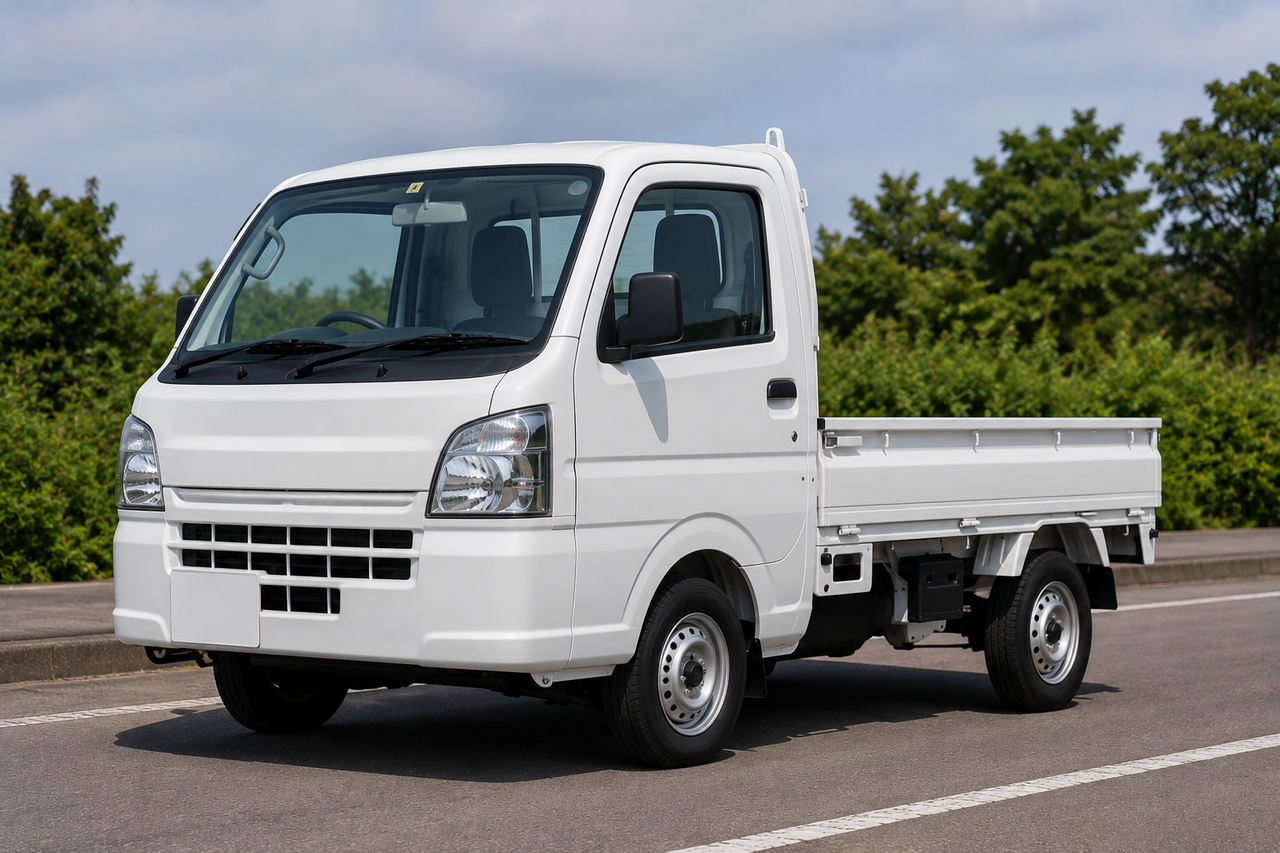
What Types of Trucks Does Inspektlabs AI Cover?
|
Box Truck |
|
|
Pickup Truck |
|
|
Trailer |
|
|
Mini Truck |
|
|
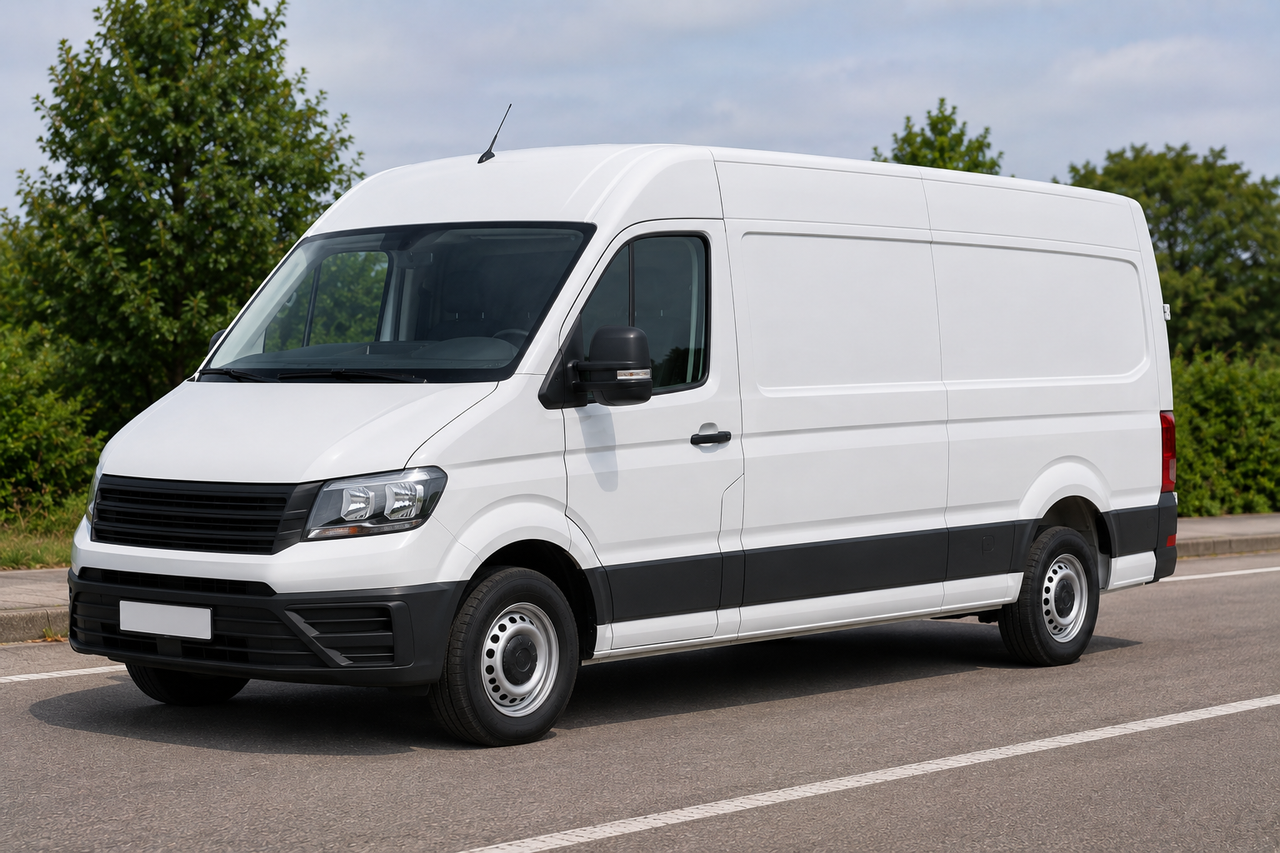
Panel Van |
|
|
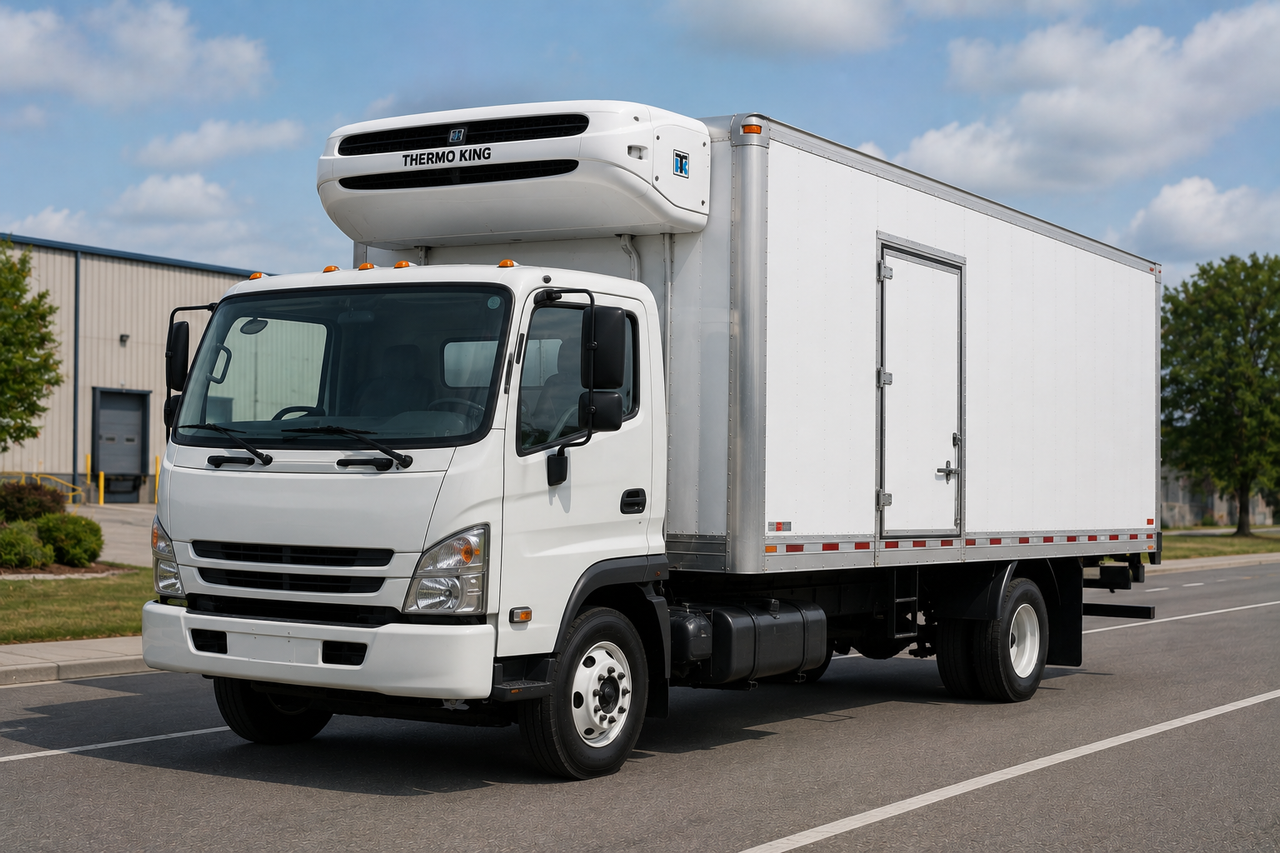
Refrigerated van |
|
|
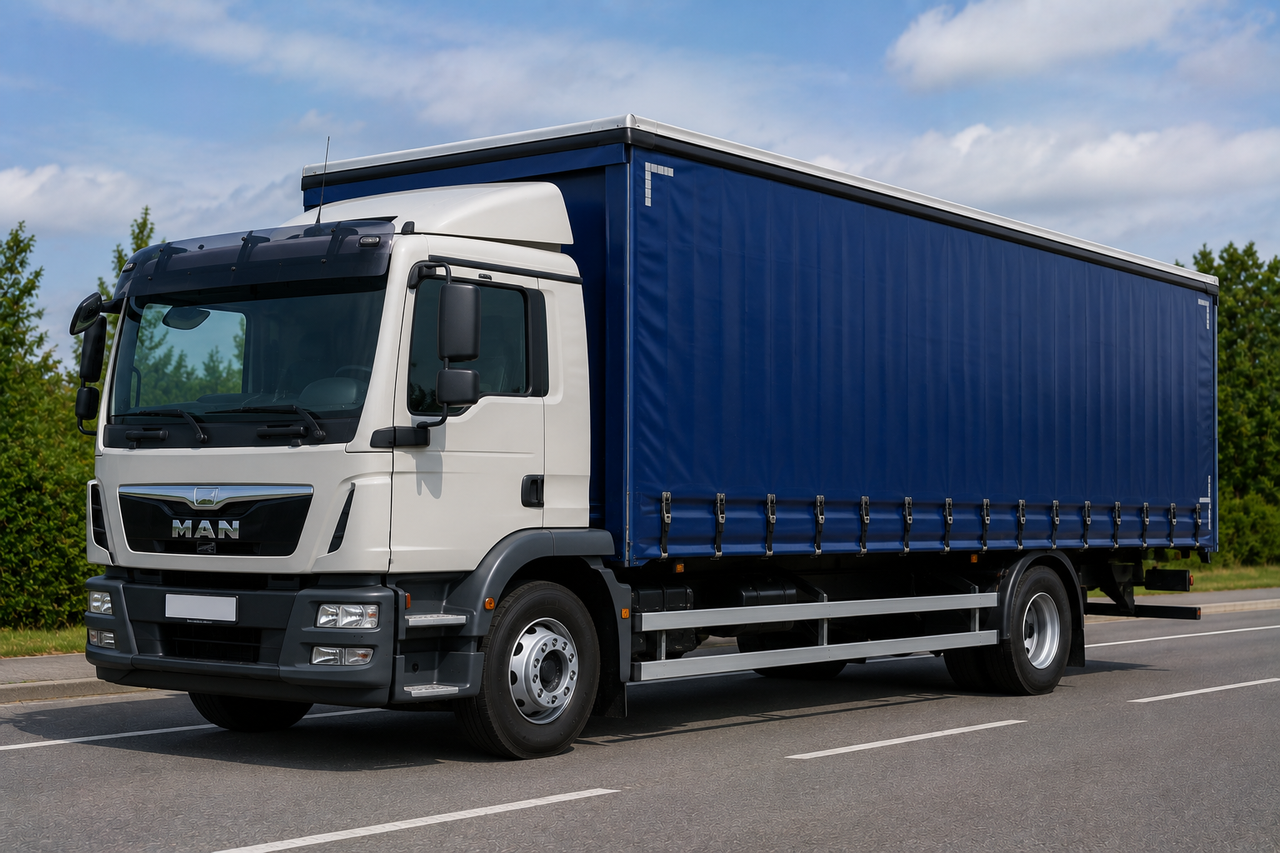
Curtain-side truck |
|
|
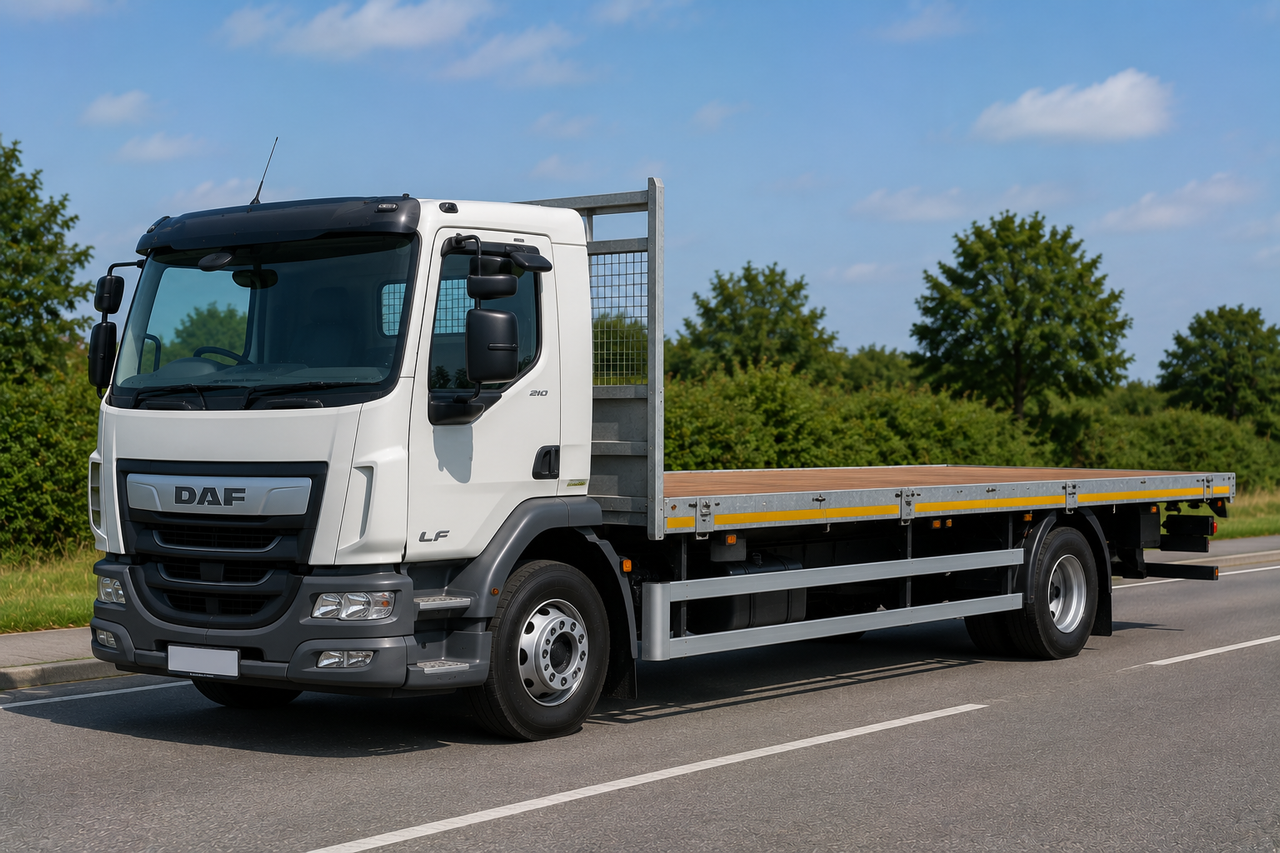
Flatbed Truck |
|
|
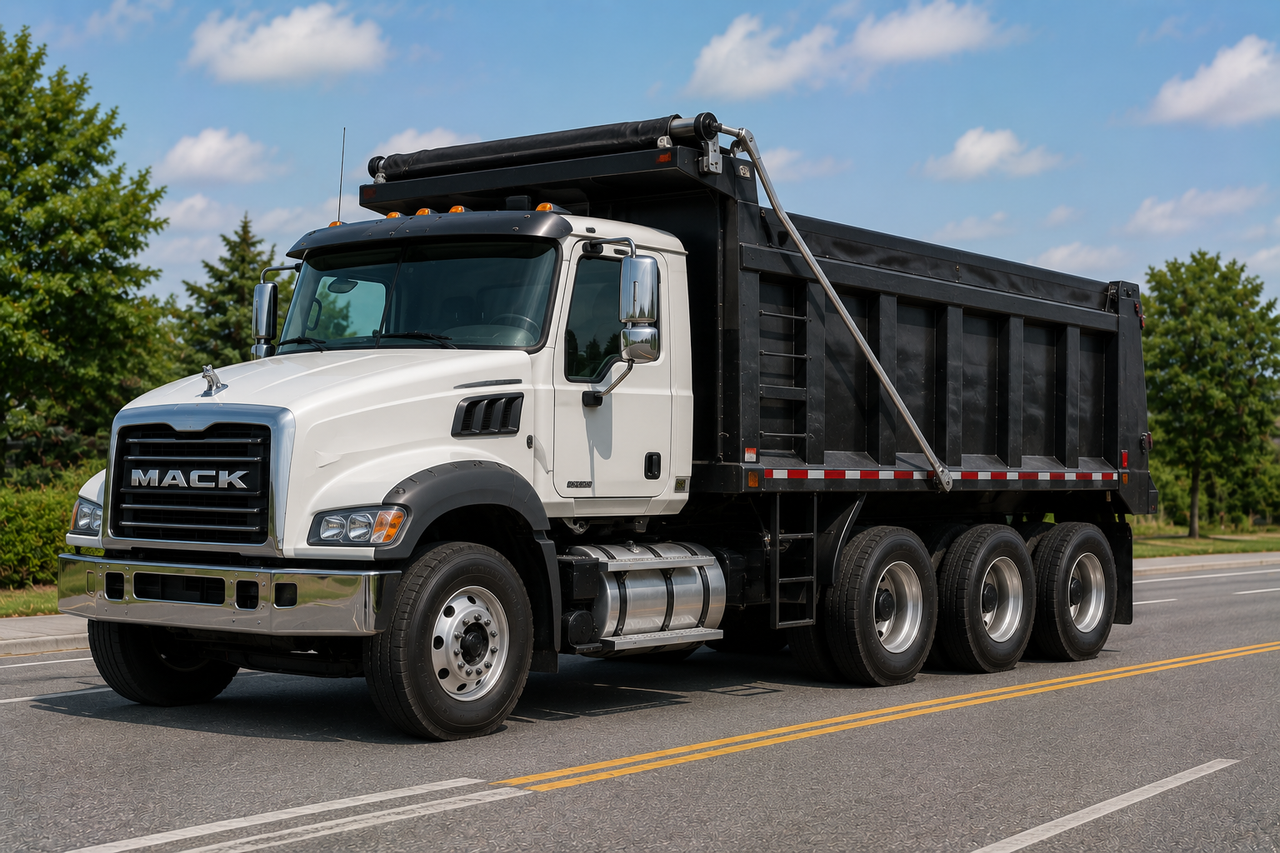
Dump Truck |
|
|
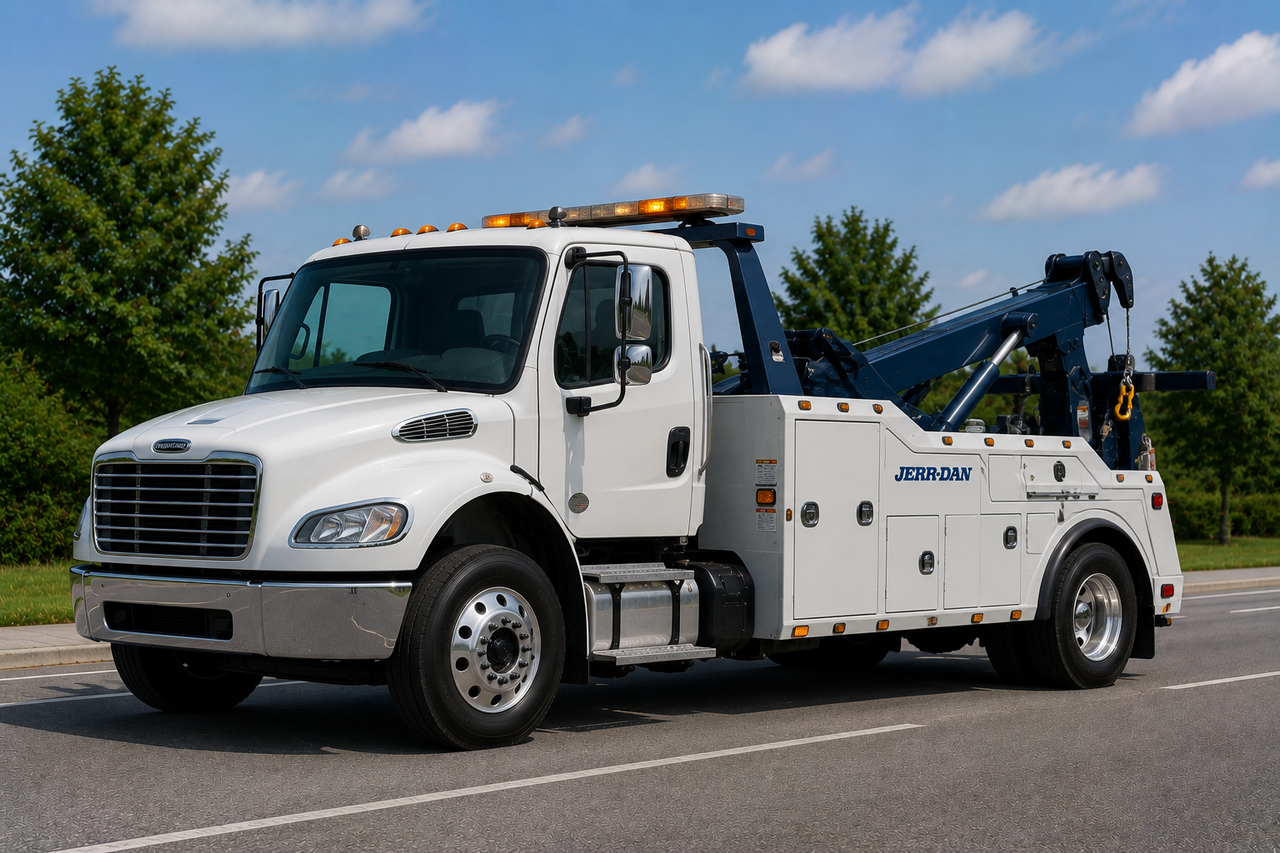
Tow Truck |
|
|
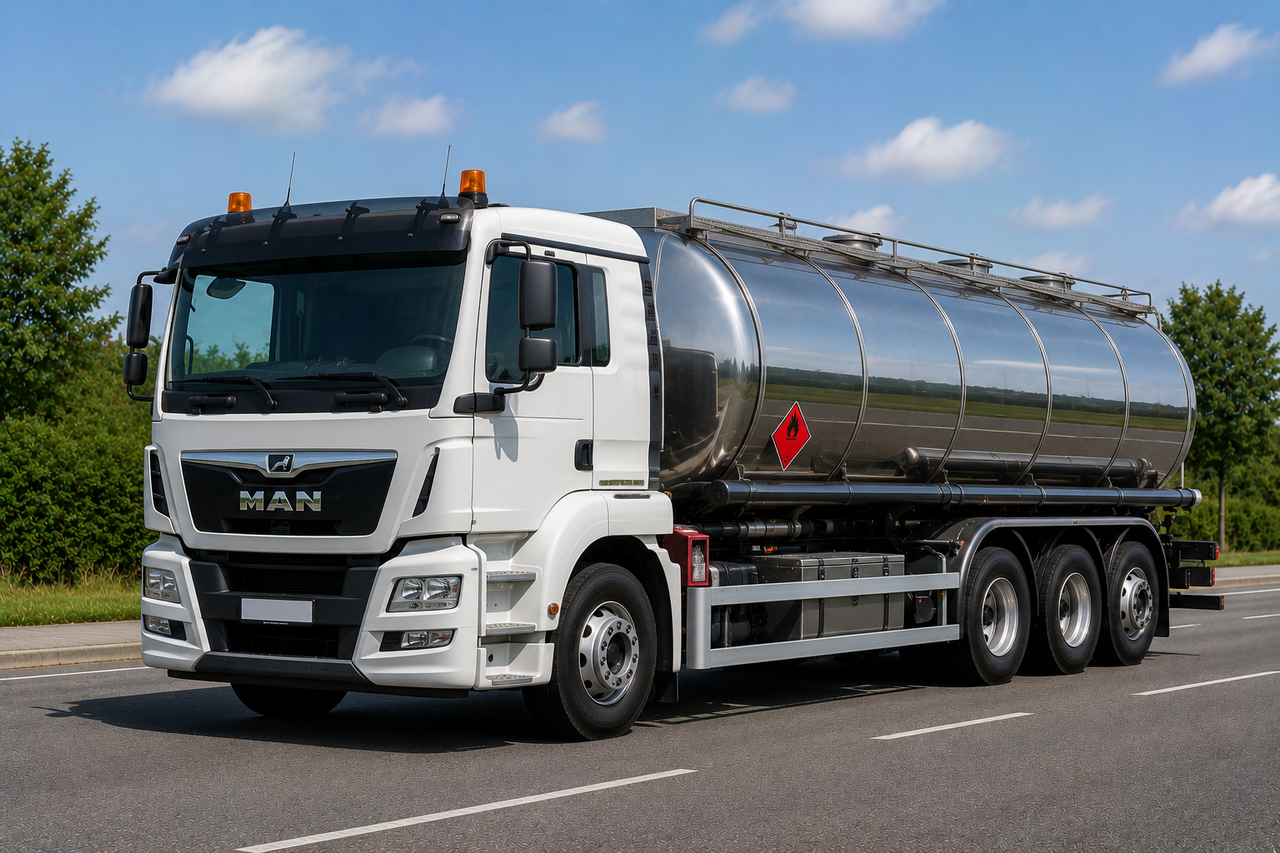
Tanker Truck |
|
|
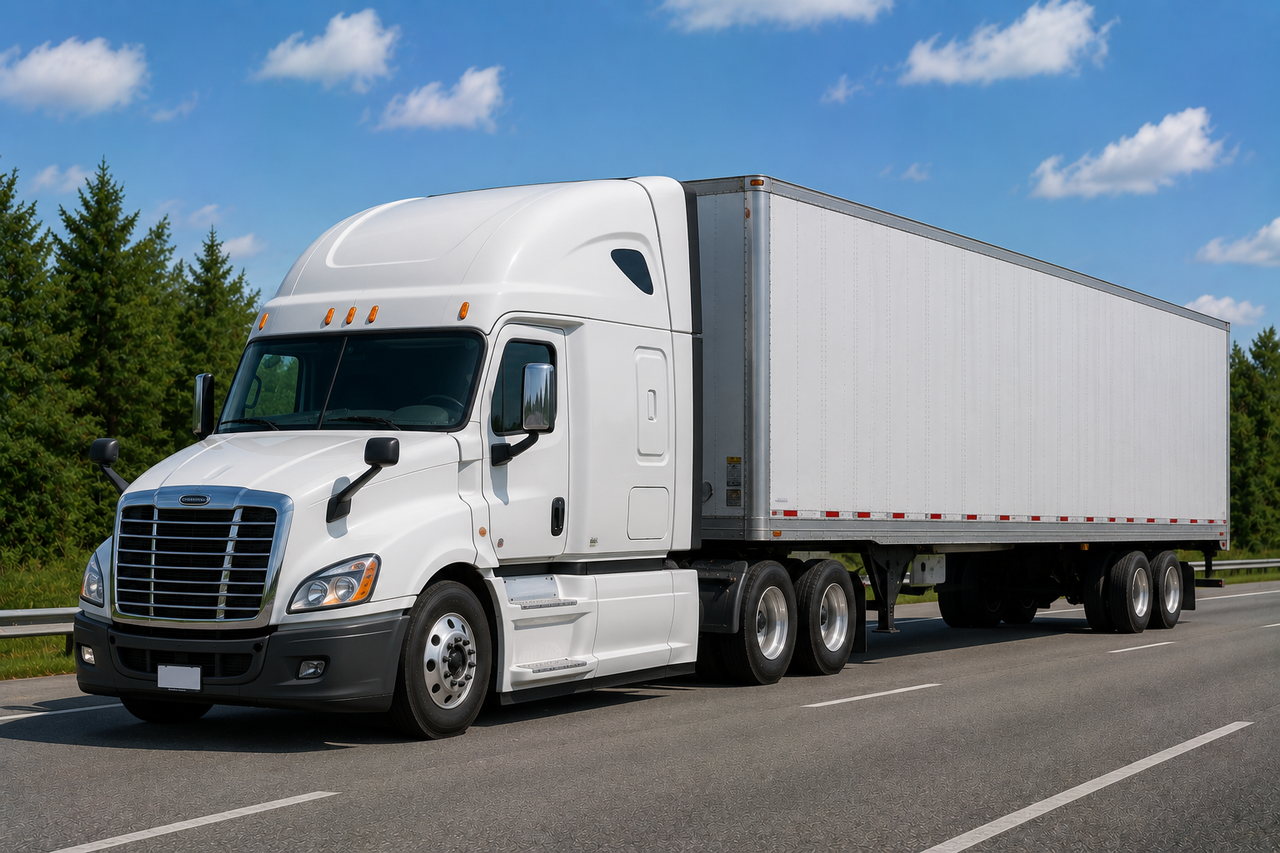
Semi-trailer |
|
|
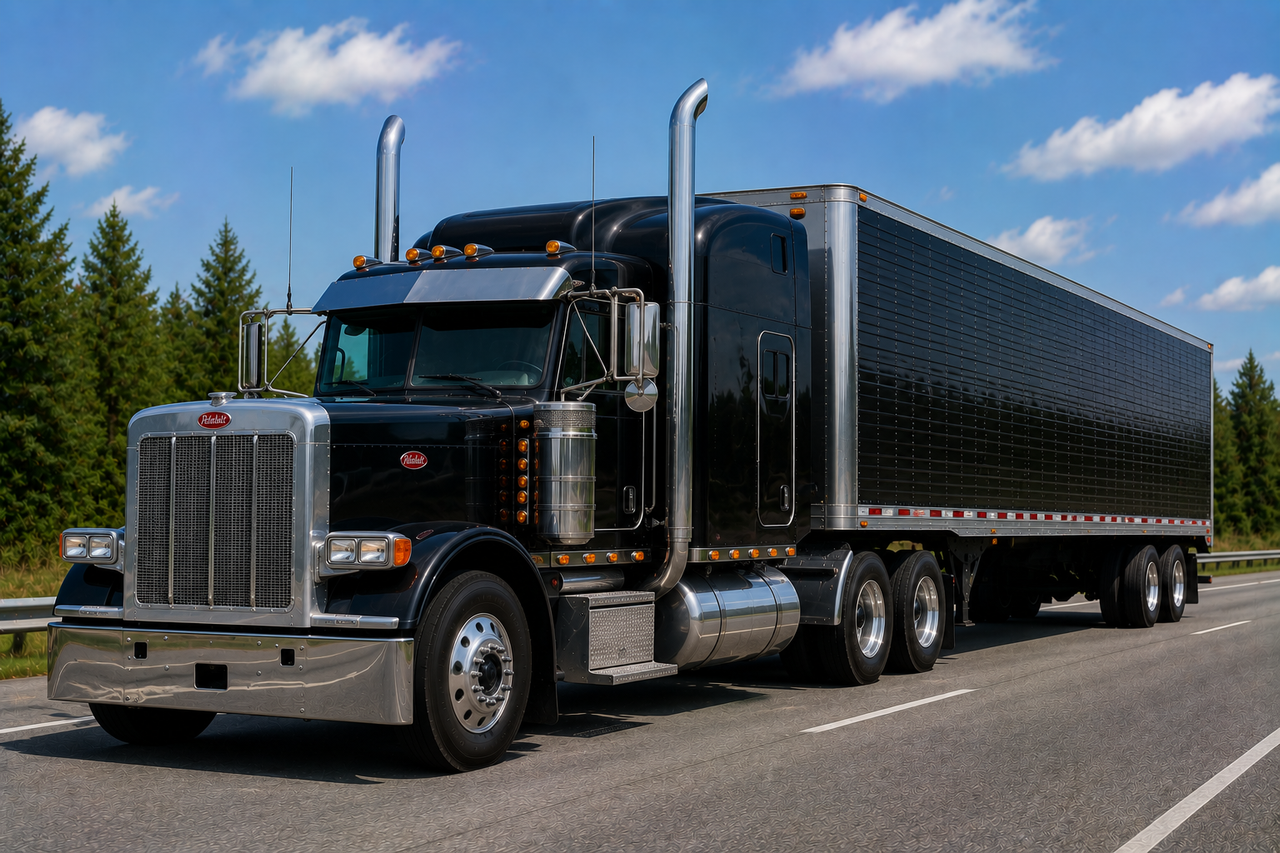
18 Wheeler |
|
|
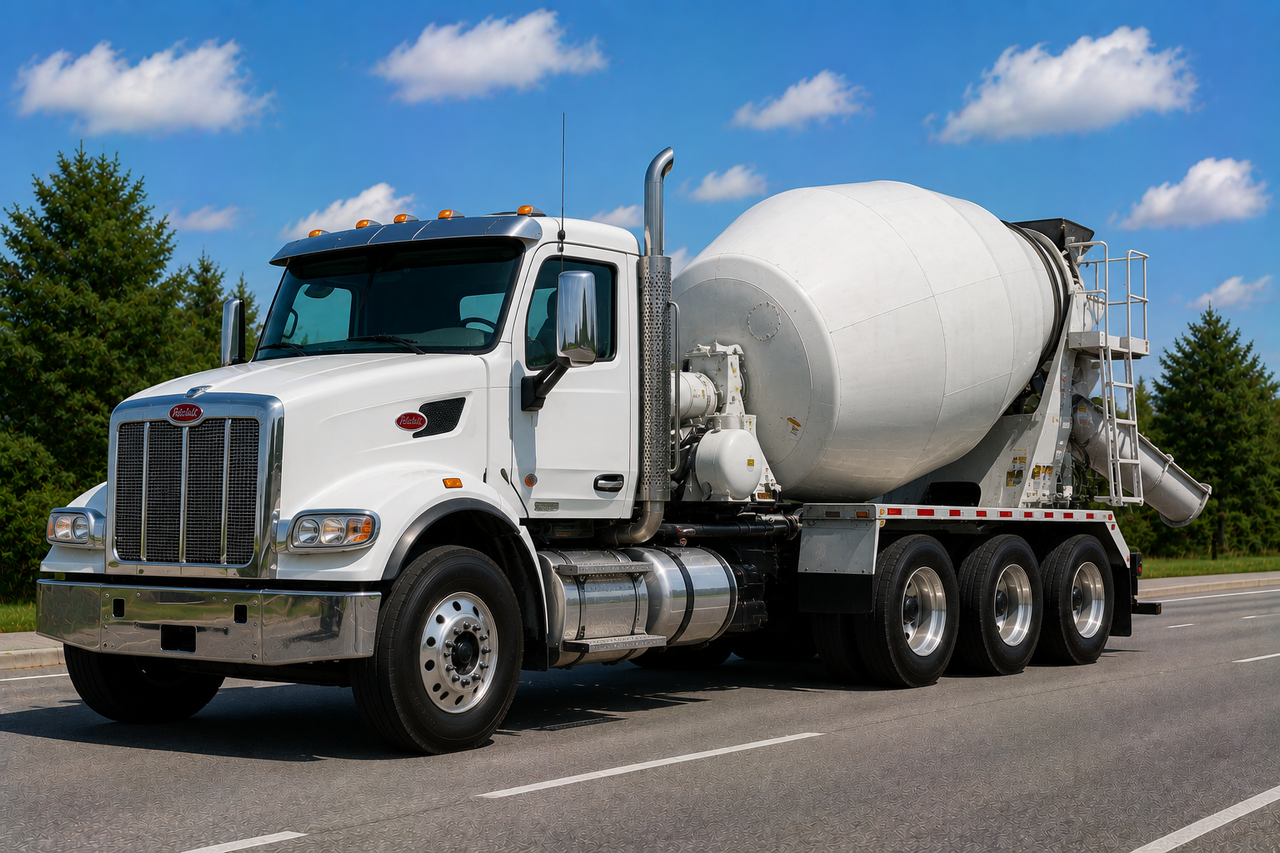
Concrete Mixer Truck |
|
|
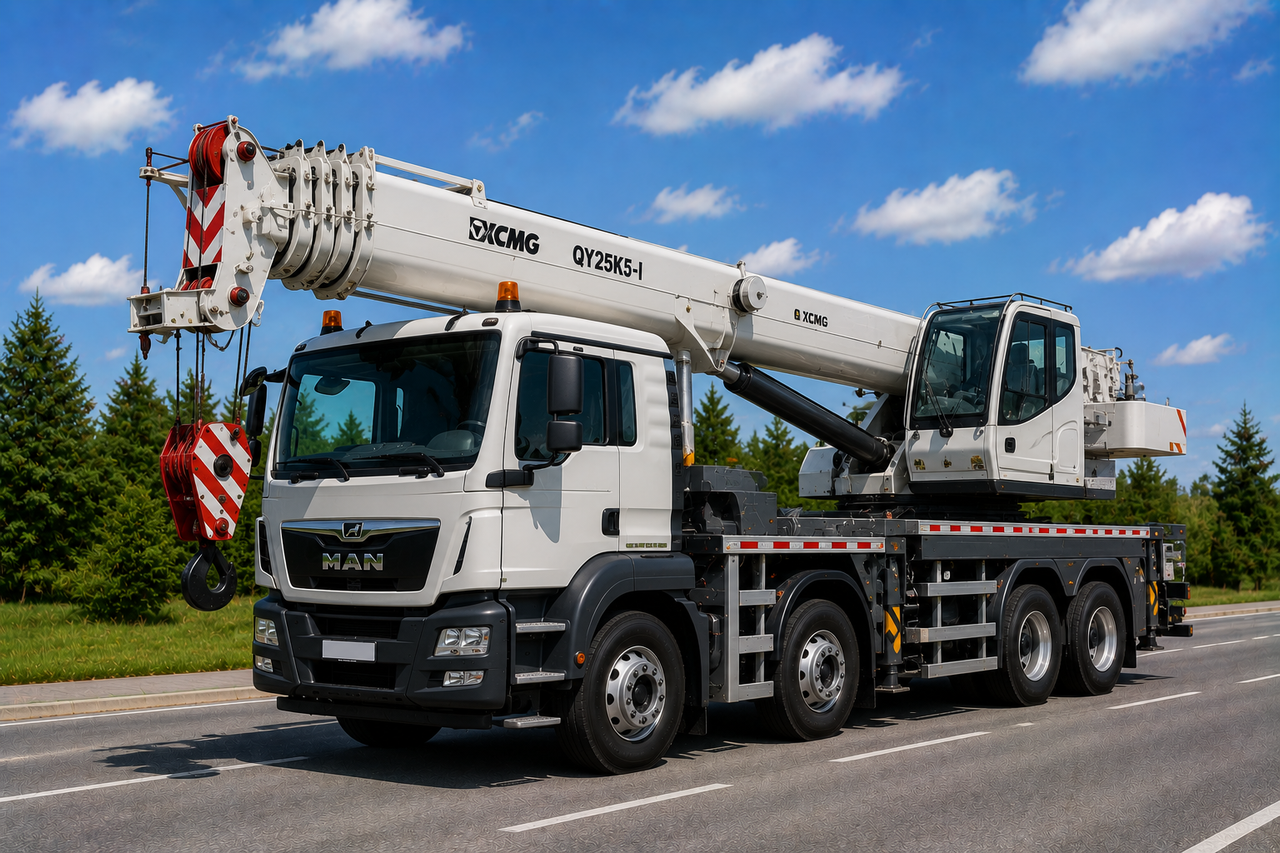
Crane Truck |
|
What Parts Does Inspektlabs AI Cover During Truck Inspections?
Inspektlabs’ AI-powered truck inspection software doesn’t just scan vehicles. It systematically analyzes every visible component for damage. Below is a visual breakdown of the key parts covered during inspection and the types of issues detected.
| Front bumper |  |
| Front bumper cover |  |
| Hood |  |
| Front Glass |  |
| Bumper Grill Top |  |
| Bumper Grill Bottom |  |
| License Plate |  |
| Inner lining |  |
| PDC Sensor |  |
| Fender |  |
| Tyres |  |
| Indicators |  |
| Fender extender |  |
| Doors |  |
| Running board |  |
| Side view mirrors |  |
| Pillars |  |
| Stairs |  |
| Door Handles |  |
| Rear Bumper |  |
| Rear Glass |  |
| Rear Reflector Top |  |
| Stepney |  |
| Emblem |  |
| Rear PDC Sensor |  |
| Fuel Door |  |
| Roof |  |
| Carrier |  |
| Side Roof |  |
| Tail Light |  |
| Headlights |  |
| Fog Lights |  |
| Rims |  |
| Window Glass |  |
| Rear Reflector |  |
| Interior Trim |  |
| Driver Seat |  |
| Passenger Seat |  |
| Steering Wheel |  |
| Front bumper protection strip |  |
| License plate holder |  |
| Tow Hook Cover |  |
| Front Door moulding |  |
| Brake Disc |  |
| Brake Pads |  |
| Bumper Grill |  |
| Barn Door |  |
| Tail lifts |  |
| License Plate Holder |  |
| Bulkhead |  |
| Lashing hooks |  |
| Racking |  |
| Front Panel |  |
| Trailer |  |
| Silencer/Exhaust |  |
Choosing the right deployment model is only part of the equation. The bigger challenge for most fleet operators is maintaining consistency, compliance, and inspection quality at scale.
This is where traditional inspection processes start to break down.
Deployment Options: Smartphone App vs Fixed Scanner
To overcome the limitations of manual inspections, fleet operators are adopting AI-powered truck inspection systems that can be deployed in different ways depending on operational needs. These approaches broadly fall into centralized (fixed camera) and decentralized (smartphone-based) frameworks, as explained in detail in this guide on vehicle inspection frameworks.
Inspektlabs supports two deployment models for commercial & heavy duty vehicle inspections. The right choice depends on inspection volume, site layout, and operational structure.
Decentralized (Smartphone-Based) Truck Inspection
A driver or fleet inspector uses the Inspektlabs truck inspection app to photograph and film the vehicle. This works at any location without fixed infrastructure. It is the right model for distributed fleets, field-based operations, and operators who need to scale quickly without capital expenditure. The app guides the user through required capture angles, and an automated quality check rejects substandard images before the AI assessment runs.
Centralized (Fixed Scanner) Truck Inspection
For high-volume depot environments processing 50 to 100+ vehicles per day, a fixed vehicle damage scanner setup provides fully automated, touchless inspection. The vehicle drives through a scanning bay. Multiple cameras capture it from all angles simultaneously. The AI generates the condition report without any user input. This model is suited to central logistics hubs, auction centres, and large rental depots.
Both models use the same AI engine and produce identical vehicle condition reports. For operators running both depot and field operations, the two can run in parallel on a single platform, feeding into the same inspection records and maintenance workflows.
How Fleets Use AI Truck Inspection in Real Operations
AI truck inspection software can be applied across multiple real-world scenarios:
- Pre-Trip & Post-Trip Inspections
Ensure trucks are road-ready and detect damages after trips - Fleet Maintenance Monitoring
Track wear and tear across vehicles over time - Insurance Claims Processing
Speed up claims with automated damage assessment - Rental & Leasing Inspections
Document vehicle condition at handover and return - Compliance & Safety Checks
Maintain regulatory standards and reduce risk
These use cases help fleet operators improve efficiency, reduce costs, and enhance operational visibility.
Getting Truck Inspections Under Control
Manual commercial vehicle inspections are too slow and too inconsistent to support the compliance and safety requirements of modern fleet operations. The data backs this up. Nearly 1 in 5 trucks in North America is placed out of service when inspected by roadside enforcement. Most of those violations should have been caught earlier.
AI-powered vehicle inspection automation changes the economics and the reliability of the process. Inspections that took 30 to 45 minutes take 3 to 5 minutes. Reports that were manually written and manually filed are generated automatically and stored digitally. Damage that was missed or under-documented is captured consistently, every time.
If you're managing inspections across multiple vehicles or locations, this is where most operations start to break down, request a demo to see the platform in action or explore the Inspektlabs fleet inspection platform for heavy-duty vehicles.
Frequently Asked Questions
1. What is a commercial vehicle inspection?
A commercial vehicle inspection is a structured evaluation of a truck’s safety systems, mechanical condition, and visible exterior components to ensure it is roadworthy and compliant with regulations.
2. Are truck inspections legally required?
Yes, in most regions. Regulations typically require daily pre-trip and post-trip inspections to ensure vehicle safety and compliance with transport authority standards.
3. How does a truck inspection app work?
A truck inspection app guides users to capture photos and videos of the vehicle from specific angles. These are uploaded to the cloud, where AI analyses the images and generates a vehicle condition report automatically.
4. What does AI damage detection cover on a truck?
AI damage detection identifies visible issues such as dents, scratches, panel deformation, glass damage, lighting faults, tyre damage, and cargo area defects across the cab, body, and trailer.
5. How accurate is AI truck inspection compared to manual inspection?
AI inspections are more consistent than manual checks because they apply the same detection standards every time, eliminating human error, fatigue, and variability.
6. How long does a truck inspection take?
Manual truck inspections typically take 30–45 minutes, while AI-powered inspections can be completed in 3–5 minutes, depending on the workflow.
7. What is the difference between pre-trip and post-trip inspections?
A pre-trip inspection checks the vehicle before a journey to ensure safety, while a post-trip inspection records the vehicle’s condition after use to identify any new damage or issues.