Fleet Inspection Software: How AI Automates Vehicle Fleet Management

AI fleet inspection software automates the process of documenting vehicle condition, detecting damage, and generating inspection reports across a vehicle fleet. Using computer vision and AI-powered photo and video analysis, it replaces manual walkaround inspections with standardized, data-driven assessments. The result is faster inspections, more consistent damage detection, and digital condition reports at every handover point without requiring trained inspectors on-site.
For fleet operators managing more than a handful of vehicles, manual inspection is a compounding cost. Field inspection visits run to $100-$300 per vehicle per visit before administrative overhead. Across a fleet of 100 vehicles, two inspection cycles per week are a significant and largely fixed operational expense. The CVSA's 2025 International Roadcheck found that 18.1% of commercial vehicles inspected across North America were placed out of service, most for defects that should have been caught before the vehicle left the yard.
How does fleet inspection automation work? What does real-time monitoring look like in practice? How can a fleet inspection software be applied across different fleet industries? And what does it actually cost to make the switch? Let's find out!
Why Manual Fleet Inspections Break Down at Scale
Manual fleet inspection relies entirely on human availability, consistency, and diligence. All three become harder to maintain as fleet size increases.
- Paper-based inspection forms are time-consuming to complete, easy to misplace, and hard to retrieve when a damage dispute arises weeks later.
- Different drivers and inspectors apply different standards. The same vehicle photographed by two different people on different days can produce significantly different reports.
- Damage history is buried in individual vehicle files. There is no practical way to see trends across the fleet, identify high-incident vehicles, or plan maintenance proactively.
- Manual inspection depends on whoever is available. When inspectors are unavailable or under time pressure, inspection quality drops. Damage gets missed. The report gets signed off anyway.
- Each vehicle requires individual attention. A fleet manager overseeing 200 vehicles cannot personally verify the quality of every inspection.
The result is a process that looks adequate on paper but produces unreliable data in practice. Disputes take longer to resolve. Maintenance issues go undetected until they become expensive. The cost of inspection grows linearly with fleet size. By identifying damage and maintenance issues earlier, AI helps fleet operators schedule repairs before minor problems escalate into major failures, which ultimately reduces fleet downtime. This enables vehicles to spend more time on the road, improves fleet utilization, and minimizes costly operational disruptions.
How AI Fleet Inspection Software Works
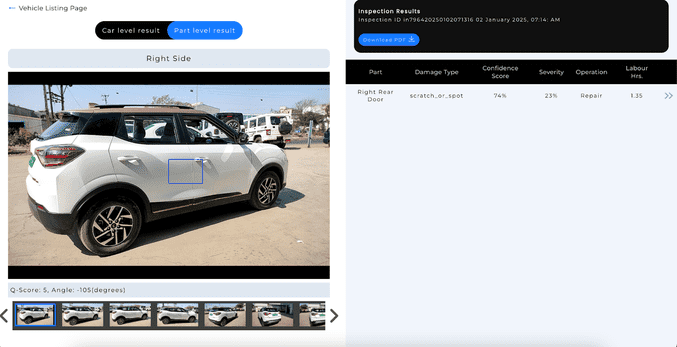
AI fleet inspection software works by replacing the manual walkaround with a guided photo and video capture flow. A driver or fleet inspector uses a smartphone app or fixed camera to photograph the vehicle from all required angles. The media is processed by an AI model that identifies visible damage across 160+ vehicle components, classifies each finding by type and severity, and produces a structured condition report in minutes. The underlying methodology is covered in more detail on Inspektlabs' core AI inspection technology page.
A quick answer for operators asking how to implement this: the deployment typically starts with a pilot on a defined subset of vehicles or a single depot. The Inspektlabs platform integrates via API with existing fleet management systems, so no wholesale system replacement is needed. Guided capture is set up per vehicle type. Pre-shift and post-shift inspections run through the same flow, and all reports feed into a central dashboard automatically.
The AI model achieves 90 to 95% accuracy in detecting visible vehicle damage. Each inspection produces a timestamped, tamper-proof condition report that documents what was found, where it is on the vehicle, how severe it is, and whether it has changed since the last inspection.
Unlike checklist-only DVIR tools, which record whether an item was checked without capturing evidence of its condition, AI inspection produces photographic evidence with AI-verified findings. That evidence is retrievable months later if a damage dispute arises.
How AI Inspection Data Becomes Actionable
Modern fleet inspections don't end with damage detection. The real value comes from converting inspection data into operational insights that help fleet managers make faster, more informed decisions.
AI-powered fleet inspection platforms can consolidate inspection results into centralized dashboards that help teams:
- Monitor overall fleet health
- Track inspection completion across locations
- Identify vehicles that require immediate maintenance
- Analyze recurring damage patterns
- Prioritize repairs based on vehicle condition rather than manual review
By presenting inspection data in a single view, fleet managers can move from reacting to individual inspection reports to proactively managing the health of the entire fleet.
Track Vehicle Condition Over Time
Unlike traditional inspections that evaluate each vehicle independently, AI-powered inspections build a continuous record of vehicle condition.
Comparing each new inspection with previous records helps fleet operators:
- Detect newly occurring damage between trips
- Distinguish new damage from pre-existing damage
- Build a complete vehicle condition history
- Identify recurring damage patterns
- Improve maintenance planning using historical inspection data
For high-utilization fleets, continuous condition tracking provides better visibility than isolated inspection reports and helps reduce unnecessary repair investigations.
What is a Fleet Inspection app and How does it work?
A Fleet Inspection app helps the fleet inspector and driver ease the inspection process using an AI-powered app that is trained to detect and report vehicle condition using images and videos. The results from the inspection can be viewed via the Inspection Dashboard.
Fleet inspection app: Drivers receive a capture prompt at the start and end of each shift. A guided flow walks them through photographing the vehicle from all required angles. Quality checks reject substandard images automatically before the AI runs. The whole capture process takes 3 to 5 minutes per vehicle.
Vehicle condition dashboard: Every inspection result feeds into a central platform view. Fleet managers can see the current condition grade of every vehicle in the fleet, the damage history for any individual vehicle, and which vehicles have open maintenance items. All reports are stored digitally and searchable by date, vehicle, driver, or damage type.
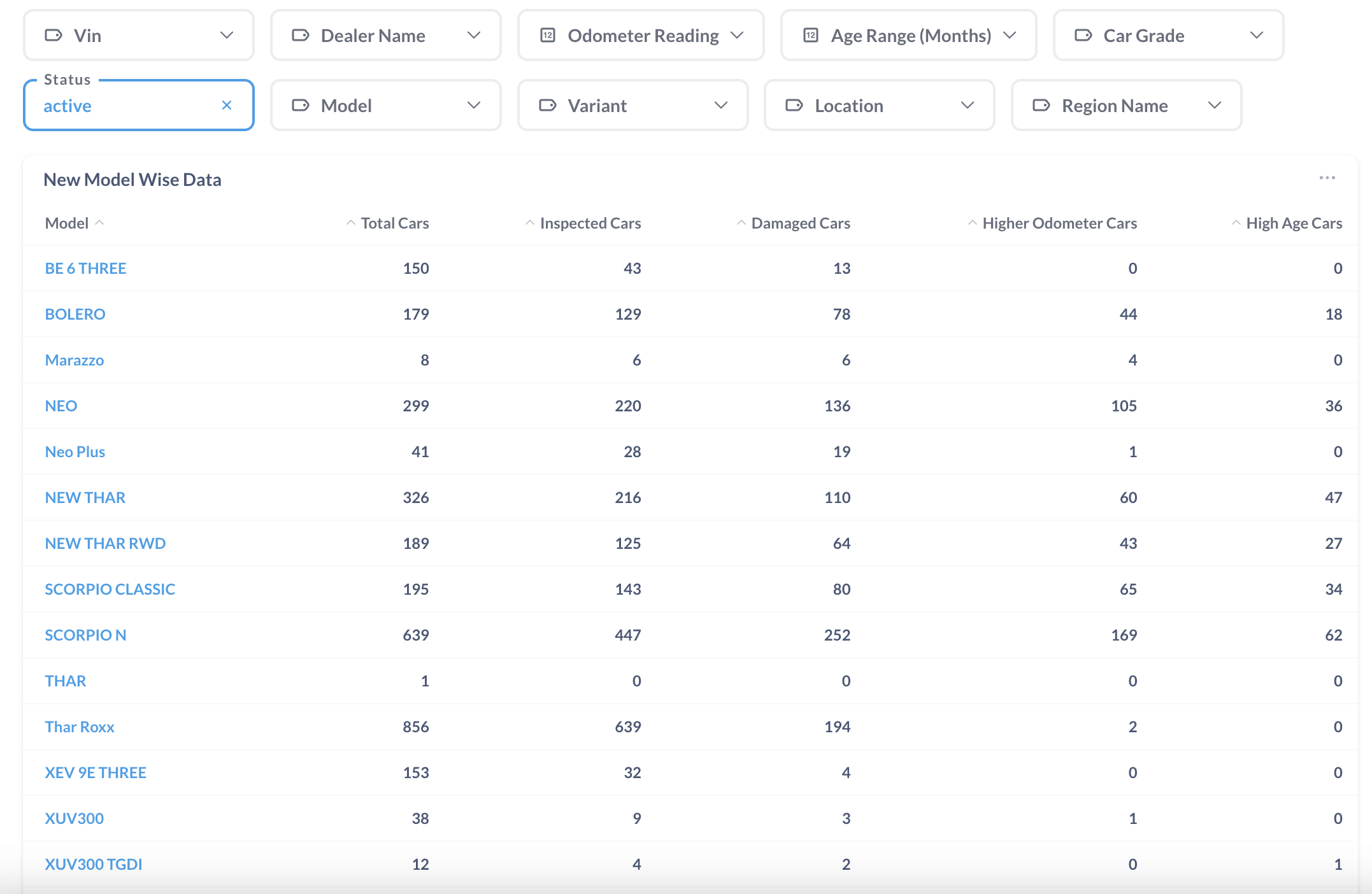
Vehicle grading: Each vehicle is assigned a condition grade after every inspection, based on the AI's assessment of visible damage severity. Grades update automatically with each new inspection, giving fleet managers a current view of fleet health without manual collation. For how incremental damage tracking works over time, see Inspektlabs' automated incremental damage tracking.
Alerting: The platform flags new damage automatically when it appears between two consecutive inspections of the same vehicle. Fleet managers receive a notification and the specific damage is highlighted in the report, attributed to the shift period in which it appeared. By maintaining a complete digital inspection history, fleet operators can quickly retrieve previous inspection reports during maintenance planning, warranty verification, insurance claims, or damage investigations. This reduces administrative effort while improving traceability across the entire fleet. The full AI-powered damage detection capability covers all vehicle types and component categories in scope.
Fleet Inspection Metrics That Matter
A fleet inspection software should provide more than inspection reports. It should help fleet managers understand the overall condition of their fleet through measurable operational insights.
Some of the most valuable inspection metrics include:
| Metric | Operational Value |
|---|---|
| Fleet health score | Prioritize maintenance activities |
| Inspection compliance | Ensure inspections are completed consistently |
| Pending inspections | Prevent vehicles from operating without recent inspections |
| Damage trends | Identify recurring operational issues |
| Frequently damaged vehicle parts | Highlight components that require preventive maintenance |
| Repair turnaround time | Measure maintenance efficiency |
Monitoring these metrics helps maintenance teams prioritize resources, improve vehicle availability, and reduce unexpected downtime.
Prevent Missed Inspections with Automated Tracking
Missed inspections create gaps in vehicle history and increase the risk of unnoticed damage. AI-powered fleet inspection systems help teams maintain inspection discipline by identifying vehicles that require attention.
Typical tracking includes:
- Vehicles awaiting inspection
- Last inspection date
- Days since the previous inspection
- Most recent inspection status
This improves inspection compliance and gives fleet managers greater confidence that every vehicle remains visible throughout its operating lifecycle.
Fleet Inspection Use Cases by Industry
Fleet inspection requirements differ by industry, but the core process is the same: document condition at every vehicle handover and flag any change. Here is how it applies across the main fleet and automotive industries Inspektlabs serves.
Logistics and Delivery Services
Delivery fleets operate with high driver turnover and frequent vehicle handovers. Drivers are typically not trained inspectors and are under schedule pressure. Damage gets missed or, in some cases, not reported.
- AI inspection removes the training dependency. Any driver can complete an accurate inspection using the guided capture flow.
- Fraud detection built into the platform identifies attempts to obscure damage from the camera. Incomplete submissions are flagged and rejected.
- The fleet manager receives consistent, comparable reports from every driver at every shift handover, regardless of the driver's inspection experience.
Car Rental and Leasing Companies
Rental fleets turn over frequently. Businesses using AI-powered car rental inspection software can automate check-in and check-out inspections, creating a clear record of vehicle condition and reducing damage disputes. The check-in and check-out inspection determines who is liable for damage found at return. Without a timestamped, AI-verified record of condition at check-out, return disputes are hard to resolve.
- Pre-rental and post-rental inspections create a clear before-and-after record for every rental period.
- Customers can complete their own check-in photo capture remotely, reducing wait times at pick-up.
- Fraud detection identifies vehicle switching, hidden damage, and other common rental fraud patterns at the point of submission.
Learn more about: Common challenges in the car leasing industry
Car Dealerships with Test-Drive Vehicles
Test-drive vehicles are high-value assets that customers handle without supervision. Tracking condition changes between test drives is operationally important but administratively difficult with manual records.
- The Inspektlabs dashboard maintains a complete, searchable condition history for each test-drive vehicle.
- Vehicles are graded after each use, making it straightforward to identify which need repair and which are ready to go.
- Before-versus-after records remove the ambiguity around when damage occurred and which customer was driving at the time.
Ride-Hailing and Taxi Companies
Ride-hailing fleets have many vehicles operating across a wide geography. Drivers return to different locations. Manual depot-based inspection is not practical at this scale.
- Drivers inspect their own vehicle remotely using the fleet inspection app, with no need to return to a central location.
- Shift-by-shift damage tracking identifies which drivers are associated with higher rates of vehicle deterioration.
- Maintenance planning improves because the condition data is current, not dependent on when a vehicle last passed through the depot.
Corporate Fleets
Corporate fleets serve employees who treat company vehicles as personal transport during business use. Responsibility for damage is frequently disputed when a vehicle is returned.
AI inspection at vehicle issue and return creates a documented condition record for each employee-vehicle assignment. Damage that appears between issue and return is attributed to the relevant assignment period automatically. The company has a timestamped evidence base for any charge-back or dispute resolution, without relying on the employee's self-report.
Fleet Vehicle Inspection Checklist
A fleet vehicle inspection checklist typically covers exterior body condition, glass, lighting, tyres and rims, mirrors, interior components, cargo area and loading equipment, and safety-critical systems. For a full component-by-component breakdown with inspection guidance, see the full fleet vehicle inspection checklist.
For Fleets
Standardize vehicle condition checks across every site
One capture, consistent grading, every time.
Inspektlabs vs Traditional Fleet Inspection Tools
Traditional DVIR and checklist tools confirm that an inspection was completed. AI-powered fleet inspection software produces documented, photographically evidenced findings with AI-verified condition grading. The difference is between a signature on a form and a timestamped, auditable record of what the vehicle actually looked like. A full breakdown is available in the comparison of the best vehicle inspection solutions for fleets.
How Much Does It Cost to Automate Fleet Inspections?
The cost of manual fleet inspection is made up of inspector fees or driver time, administrative overhead, and the downstream cost of damage that is missed or underreported. A field inspection visit costs between $100 and $300 per vehicle per visit, depending on location and vehicle type. For a fleet of 100 vehicles inspected twice daily, the annual cost is substantial before any missed-damage liability is counted.
AI fleet inspection software shifts this from a variable per-inspection cost to a subscription or per-inspection API fee that is significantly lower per vehicle. The exact cost saving depends on current inspection frequency, fleet size, and inspection type.
Beyond the direct inspection cost, the operational savings compound. Fewer disputed damage charges mean less time and legal cost on resolution. Earlier detection of maintenance issues reduces the proportion of faults that escalate to expensive repairs. Consistent grading data supports more accurate repair vs replace decisions.
For how inspection data feeds into vehicle lifecycle decisions, see repair vs. replace decisions for fleet companies.
The Case for Fleet Inspection Automation
As inspection data accumulates over months and years, it becomes a valuable operational dataset that supports maintenance planning, fleet replacement decisions, warranty management, and continuous process improvement. The long-term value of AI inspections extends beyond damage detection to better fleet management.
Manual fleet inspection does not scale. The cost grows with fleet size, quality degrades under volume pressure, and the records it produces are too inconsistent to be useful for dispute resolution or maintenance planning.
AI fleet inspection software addresses all three problems. Inspections take minutes. Reports are consistent. And the data is current enough to act on, rather than a historical record discovered too late.
Frequently Asked Questions
What is fleet inspection software?
Fleet inspection software is a platform that helps organizations document, monitor, and analyze the condition of vehicles across their fleet. AI-powered fleet inspection software uses computer vision to automatically detect visible vehicle damage from photos or videos, generate standardized inspection reports, and maintain a complete digital inspection history for every vehicle.
What should be included in a fleet vehicle inspection checklist?
A standard fleet vehicle inspection checklist should include the vehicle's exterior panels, bumpers, windshield and windows, lights, tyres and wheels, mirrors, interior condition, cargo area, license plates, and other safety-critical components. Regular inspections help identify damage early, improve compliance, and reduce unexpected maintenance costs.
How does an AI fleet inspection app work?
A driver or fleet inspector captures guided photos or videos of the vehicle using a mobile app. The images are securely uploaded and analyzed using AI to detect visible damage, classify its type and severity, and generate a digital inspection report. The report is stored within the fleet management platform, where it can be compared with previous inspections to track changes in vehicle condition over time. Depending on the inspection workflow and vehicle type, the capture process typically takes only a few minutes per vehicle.
Can fleet inspection software track vehicle condition over time?
Yes. Every AI-powered inspection is timestamped and stored digitally, creating a complete inspection history for each vehicle. By comparing new inspection reports with previous records, fleet managers can identify newly occurring damage, distinguish it from pre-existing issues, monitor vehicle health over time, and make better-informed maintenance decisions.
How much does it cost to automate fleet inspections?
The cost of automating fleet inspections depends on factors such as fleet size, inspection frequency, deployment model, and software features. Most AI-powered inspection platforms use subscription-based or usage-based pricing. Organizations should evaluate the investment alongside the operational savings gained from reducing manual inspections, detecting damage earlier, minimizing downtime, and improving maintenance efficiency.
What are the benefits of AI-powered fleet inspections?
AI-powered fleet inspections help organizations standardize vehicle assessments, reduce manual inspection time, improve damage detection accuracy, maintain a complete vehicle history, and provide real-time insights into fleet health. These benefits can lead to faster maintenance decisions, improved vehicle availability, lower operating costs, and more efficient fleet operations.