
Vehicle Inspection Checklist (2026): Free 222-Point Comprehensive Guide
Every day, thousands of drivers hit the road without knowing the true condition of their vehicles. This oversight can lead to unexpected breakdowns, costly repairs, and even dangerous accidents. It’s time to take action and prioritise your safety!
Think about it: how many times have you heard about cars breaking down in the middle of nowhere or accidents happening due to mechanical failures? Regular inspections can identify potential issues before they become serious problems. From brake performance to tire health, these checks ensure every part of your vehicle is in top condition.
By committing to vehicle inspections, you not only extend the life of your vehicle but also ensure a safer drive for you and your loved ones. Plus, early detection of issues can save you a significant amount of money on major repairs. Don’t let a small problem turn into a big headache. Don’t wait until it’s too late.
In this article, we'll discuss the importance of vehicle inspections, what aspects of your vehicle should be inspected, and how to detect potential damages. We'll also provide a 222- Point Vehicle Inspection Checklist for vehicle inspection with tips on maintaining your vehicle’s health and ensuring a safe and smooth drive every time you hit the road.
How to Prepare for a Vehicle Inspection
Proper preparation is crucial for conducting an efficient and accurate vehicle inspection. Assembling the necessary tools and creating an ideal inspection environment ensures a thorough assessment of the vehicle's condition.
1. Tools and Inspection Equipment Setup
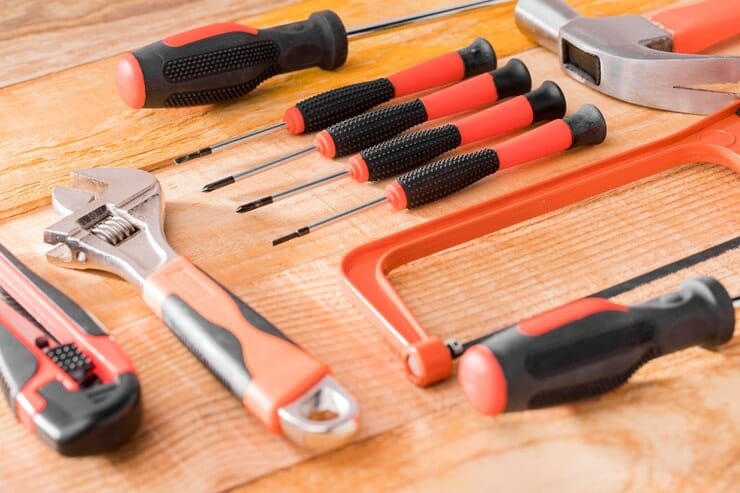
Before starting the inspection, gather all the essential tools and equipment to ensure a smooth process:
- Basic Tools: Flashlight, screwdrivers, pliers, tire pressure gauge.
- Diagnostic Tools: OBD-II scanner for electronic diagnostics.
- Protective Gear: Gloves, safety glasses.
Having these tools on hand allows for a comprehensive inspection, helping to identify any potential issues effectively.
2 . Ensuring Proper Lighting and Workspace
Adequate lighting and a well-organised workspace are vital for a thorough vehicle inspection:
- Lighting: Ensure the workspace is well-lit. Use portable lights to illuminate hard-to-see areas.
- Workspace: Clear any obstructions and ensure the area is clean and level to safely manoeuvre around the vehicle.
A well-lit and organised workspace helps in detecting even minor issues that might otherwise be missed.
3 . Safety Precautions for Both Inspector and Vehicle

Safety is paramount during the inspection process. Follow these precautions to protect both the inspector and the vehicle:
- For the Inspector: Wear appropriate protective gear such as gloves and safety glasses. Follow all safety protocols to avoid accidents.
- For the Vehicle: Ensure the vehicle is on a stable surface. Use wheel chocks to prevent movement and secure the vehicle.
4. AI-Based Inspection Readiness (If Applicable)
For organizations using AI-powered vehicle inspections:
- Ensure stable internet connectivity for real-time data processing
- Follow guided capture workflows within the inspection platform
- Capture complete vehicle coverage (all angles and key components)
- Avoid shadows, glare, or obstructions that may impact AI accuracy
- Use high-resolution imaging devices for reliable detection
Proper AI setup directly impacts detection accuracy, report quality, and downstream decision-making.
Interior Inspection Checklist (Dashboard, Seats & Electronics)
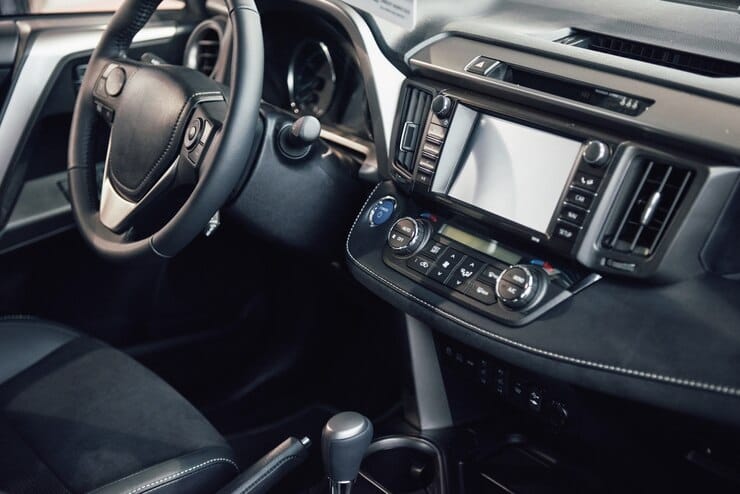
A thorough interior inspection is essential to ensure that all components of the vehicle's interior are in proper working condition and contribute to a safe and comfortable driving experience. This section covers the key aspects of interior vehicle inspection, including functionality tests, visual examinations, and safety feature verifications.
- Interior Lights: Check all interior lights, including dome lights and dashboard lights, to ensure they are working correctly.
- Horn: Test the horn to make sure it is loud and responsive.
- Wipers: Operate the windshield wipers and washer system to verify proper
- Seats: Inspect all seats for signs of wear, tear, or damage. Check seat adjustments and ensure they move smoothly.
- Upholstery: Look for stains, rips, or other damage to the upholstery.
- Carpets: Examine the carpets for cleanliness and wear. Check for any moisture or mold, especially in areas prone to leaks.
- Seat Belts: Check each seat belt for fraying, wear, and proper retraction. Ensure that all buckles and latches operate correctly.
Engine Inspection Checklist: Under-the-Hood Vehicle Checks
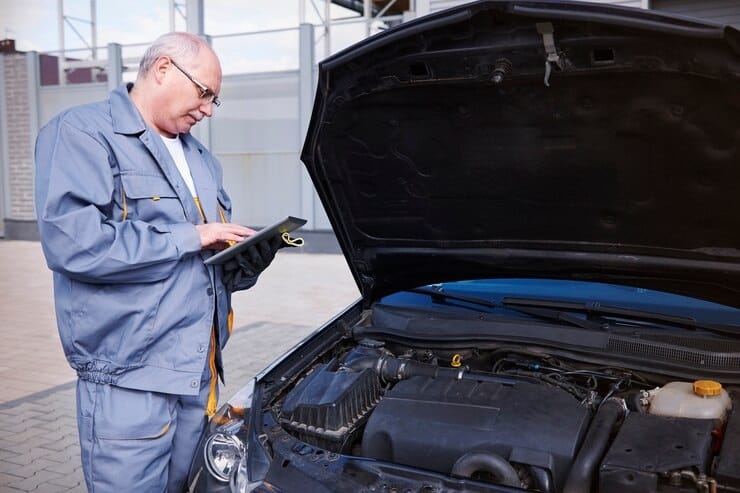
A thorough under-the-hood inspection is crucial for assessing the vehicle's mechanical health. It's important to note that this inspection should be conducted when the car is cool, avoid immediate inspection after a drive to ensure safety.
This section covers the key aspects of inspecting under the hood:
- Assessing Fluid Levels: Check and ensure proper levels of essential fluids, including oil, coolant, brake fluid, and others.
- Checking Belts and Hoses: Inspect all belts and hoses for signs of wear, cracks, or damage, ensuring they are in good condition.
- Inspecting Battery Condition and Connections: Examine the battery for corrosion, secure connections, and overall health.
- Checking Air Filter: Inspect the air filter for dirt, debris, or clogs. Replace if necessary to ensure proper air intake and engine performance.
- Inspecting Fluid Leaks: Look for any signs of fluid leaks under the vehicle, including oil leaks, coolant leaks, or brake fluid leaks. Address any leaks promptly to prevent further damage.
Vehicle History and Background Check

Understanding the vehicle's history is crucial for a comprehensive vehicle inspection. This section emphasizes the importance of gathering vehicle history inspection data, particularly the service history.
- Service History: Obtain records of regular maintenance, including oil changes, fluid flushes, and other routine services. This helps assess the vehicle's overall maintenance history and identify any recurring issues or neglected maintenance tasks.
- Repair History: Document any past repairs or replacements of significant components, such as the engine, transmission, suspension, or brakes. Understanding previous repairs can indicate potential areas of concern or recurring issues that may require further inspection.
- Accident History: Obtain information about any past accidents or damage the vehicle may have sustained. This includes details about repairs, structural integrity checks, and insurance claims. Assessing the extent of past damage helps evaluate the vehicle's structural integrity and potential safety risks.
- Ownership History: Gather details about the vehicle's previous owners, including the number of owners, usage patterns, and any known modifications or customizations. Understanding the vehicle's ownership history provides context about its usage and maintenance practices.
Exterior Vehicle Inspection Checklist (Scratches, Dents & Lights)

A thorough exterior inspection is essential for assessing the overall condition and safety of the vehicle's exterior components. This section covers key aspects of inspecting the exterior, including body panels, lights, tires, and windows.
Checking for Damage to Body Panels, Lights, and Mirrors:
- Inspect all body panels for dents, scratches, rust, or other damage.
- Check the condition of headlights, taillights, turn signals, and brake lights for cracks, moisture buildup, or non-functioning bulbs.
- Examine side mirrors and rearview mirrors for cracks, damage, or misalignment.
Examining Tires for Wear, Tread Depth, and Inflation:
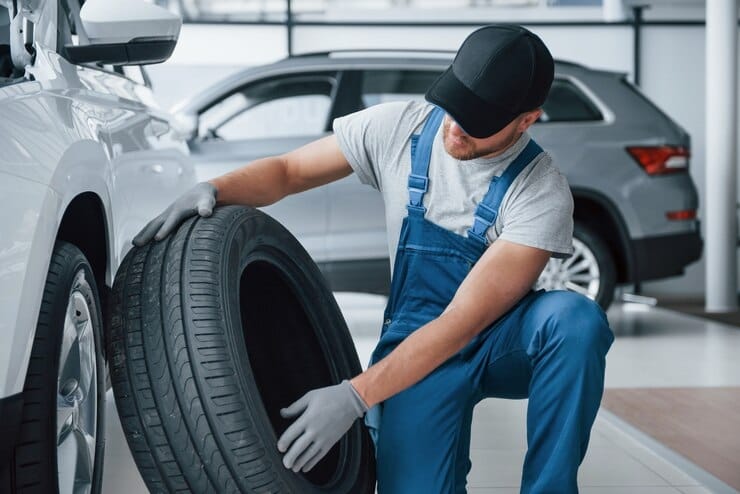
- Inspect tire tread depth using a tread depth gauge or the penny test to ensure adequate traction.
- Check for signs of uneven wear, such as cupping or feathering, which may indicate alignment or suspension issues.
- Measure tire inflation pressure and ensure it matches the manufacturer's recommended specifications.
Inspecting Windshield and Windows for Cracks or Chips:
- Thoroughly examine the windshield and windows for chips, cracks, or pitting that could impair visibility or compromise structural integrity.
- Pay attention to the size, location, and depth of any damage, as minor chips or cracks may be repairable, while larger ones may require replacement.
Learn more about AI Powered Inspection Scanners for Vehicle inspections
How to Perform a Road Test Inspection

Once all the interior and exterior inspections are complete, it's time to hit the road for a crucial assessment: the road test. This step allows us to evaluate the vehicle's performance in real-world conditions, ensuring it meets safety and functionality standards. Let's dive into the road test process and its significance.
- Unusual Noises: Listen for any abnormal sounds coming from the engine, transmission, suspension, or brakes. These may include grinding, squealing, or knocking noises that could indicate mechanical problems.
- Vibrations: Feel for any unusual vibrations through the steering wheel, pedals, or seats. Excessive vibrations could indicate issues with the tires, wheels, suspension components, or drivetrain.
- Handling Issues: Assess the vehicle's handling characteristics, including steering responsiveness, stability, and braking performance. Note any instances of pulling to one side, uneven braking, or difficulty maintaining control, as these may indicate alignment issues, brake problems, or suspension problems.
- Fluid Leaks: While the vehicle is in operation, observe for any signs of fluid leaks underneath the vehicle. Fluid leaks can indicate issues with the engine, transmission, cooling system, or other components that may not be apparent during stationary inspections.
Hybrid Vehicle Inspection

Inspecting hybrid vehicles requires attention to specialized components that contribute to their unique functionality and performance. This section focuses on key aspects of inspecting hybrid vehicles, including the cooling system, powertrain mount, entertainment display, and power outlets.
- Hybrid Cooling System: Evaluate the radiator, cooling fans, and coolant reservoir for leaks or overheating issues.
- Switchable Powertrain Mount: Inspect for integrity and effectiveness in dampening vibrations.
- Hybrid Entertainment and Information Display: Test functionality including navigation, audio, and hybrid system monitoring.
- V Power Outlet: Verify voltage output and ensure proper functionality for charging electronic devices.
Undercarriage Vehicle Inspection

During the undercarriage inspection, we carefully examine the underside of the vehicle to ensure everything is in good shape. This includes:
- Exhaust System: Check for leaks or damage along the exhaust system, including the muffler, pipes, and catalytic converter.
- Suspension Components: Inspect for signs of wear or damage on components such as springs, shocks, struts, and control arms.
- Brakes, Brake Lines, and Fuel Lines: Verify the condition of brake pads, rotors, calipers, and brake lines for wear or damage. Also, inspect fuel lines for leaks or corrosion.
Convenience
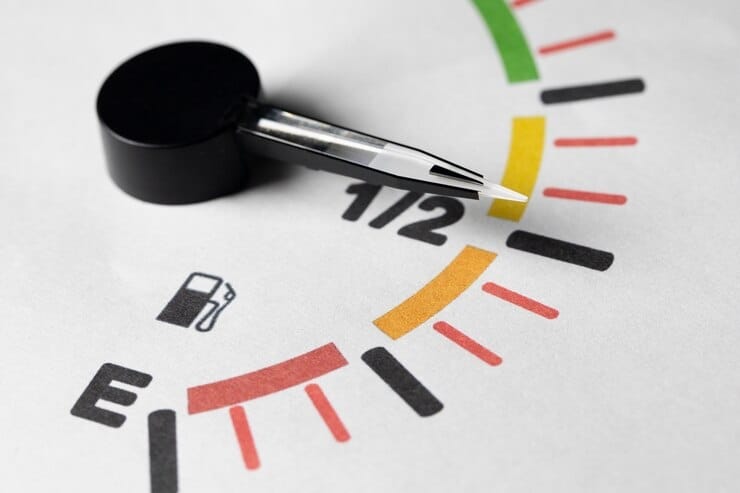
In the convenience inspection, we ensure essential items like:
- Owner’s Manual and Fuel Levels: Verify the presence of the owner's manual and check the fuel levels to ensure they are adequate for testing purposes.
- Keys and Remote Controls: Inspect the availability and functionality of keys and remote controls, ensuring they operate all necessary functions of the vehicle.
Specialized Vehicle Inspections :

- Optional Inspections: Tailored evaluations for specific vehicle types like commercial vehicles or motorcycles.
- Tailored Checklists: Customizing inspection criteria according to vehicle models or manufacturer specifications.
- Paint Depth (Re-Paint): Examining paint thickness to determine if the vehicle has been repainted.
- Engine Vibration Analysis: Evaluating engine vibration levels to identify potential issues.
- Pollution Inspection: Assessing emission levels to ensure compliance with environmental regulations.
Must Read : WhatsApp Chatbot for Quick Car SMART Repair Estimates within 2 Minutes
While each inspection category helps assess specific parts of a vehicle, most inspections are actually organised into standard point-based checklists to ensure nothing important is missed. These formats make it easier for inspectors, fleet operators, and insurers to stay consistent, improve reporting accuracy, and scale inspections efficiently across different use cases.
Vehicle Inspection Checklist by Points (6-Point, 23-Point, 100+ Checklist)
Vehicle inspections typically use point-based checklists, with the level of detail depending on the inspection type. Below are the most commonly used formats across automotive, fleet, and insurance workflows.
6-Point Vehicle Inspection Checklist
A 6-point vehicle inspection checklist is a quick, high-level check used by dealerships and service centers. It focuses on the most important safety and performance parts of a vehicle.
A standard six-point assessment typically covers engine, lights, interior, exterior, equipment, and road test.
- Engine: Basic performance, unusual noises, visible leaks
- Lights: Headlights, brake lights, indicators, hazard lights
- Interior: Dashboard alerts, controls, seat condition
- Exterior: Visible dents, scratches, paint condition
- Equipment: Mirrors, wipers, horn, essential controls
- Road Test: Steering response, braking, acceleration
This format is great for quick inspections, but it may miss deeper mechanical or structural problems.
23-Point Inspection Checklist
A 23-point inspection sits between a quick check and a full diagnostic. It covers key areas like fluids, brakes, tyres, suspension, lights, and body condition, which is why service centres and fleet operators use it for routine maintenance. It helps catch gradual wear before it leads to costly repairs, usually in about the same amount of time as an oil change.
This checklist typically includes:
- Engine and fluid levels (engine oil, coolant, brake fluid)
- Battery health and electrical systems
- Brake condition and responsiveness
- Tire condition, tread depth, and pressure
- Suspension and steering components
- Interior systems (AC, controls, warning lights)
- Exterior condition (body panels, lights, mirrors)
- Basic underbody checks
Overall, it offers a good balance between speed and detail, making it practical for regular use.
100+ Point Vehicle Inspection Checklist
A 100+ point vehicle inspection checklist is a detailed inspection used for in-depth vehicle evaluations, such as used car checks, insurance inspections, and large fleet assessments.
It covers:
- Exterior damage (dents, scratches, repaint checks)
- Interior condition and features
- Engine and under-the-hood components
- Electrical systems and onboard diagnostics (OBD)
- Undercarriage and structural condition
- Tyres, brakes, suspension, and steering
- Road test and overall drivability
This format works well for quick inspections, but it can miss deeper issues, so in many cases it is expanded into 200+ point checklists for a more detailed and accurate evaluation.
Comprehensive 222-Point Vehicle Inspection Checklist (AI-Powered)
Below is a detailed 222-point vehicle inspection checklist for thorough and standardized vehicle checks. It covers all key areas, including interior, exterior, under the hood, undercarriage, specialized inspection, and road testing.
You’ll also see which inspection points can be captured using photos or videos, along with what’s supported by Inspektlabs’ AI vehicle inspection system. This helps organizations reduce manual effort, improve accuracy, and detect damage more efficiently at scale.
Get a printable version of this checklist for inspections, audits, and reporting.
Digital Vehicle Inspection Reports & Documentation (AI-Enabled)

In the documentation and reporting phase, meticulous attention is given to recording inspection findings and preparing detailed reports.
- Accurate Recording: Documenting vehicle inspection findings with precision and thoroughness.
- Detailed Reports: Providing comprehensive reports inclusive of visual documentation like photos or videos.
- Communication: Effectively conveying inspection results to vehicle owners or stakeholders for informed decision-making.
How Inspektlabs Improves Vehicle Inspection Accuracy & Reduces Costs
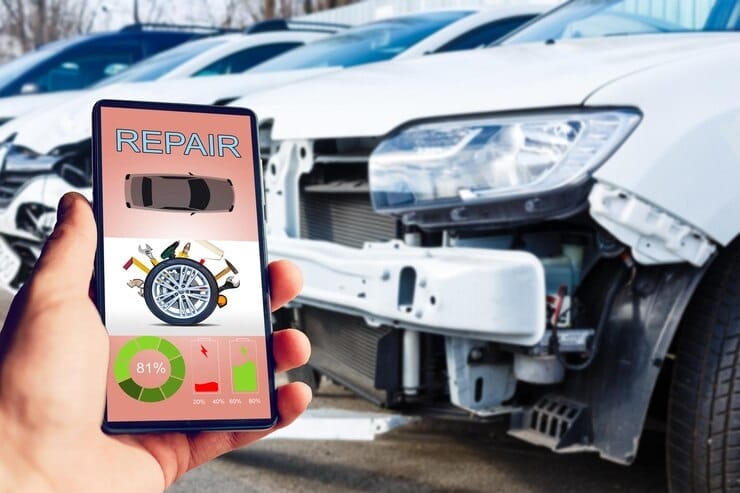
Inspektlabs makes vehicle inspections faster and easier with AI-powered solutions, including fixed camera systems and chatbot-based inspections. Its AI helps improve accuracy and quickly detect vehicle damage.
- AI-Powered Claim Assessment: Inspektlabs automates the claim assessment process using advanced AI technology, providing efficiency and accuracy in determining the extent of damage and predicting internal damage probabilities based on external assessments.
- Vehicle Fraud Detection: Our solutions include fraud detection capabilities, such as identifying old or prior damages, detecting hidden damages using metadata analysis, and spotting fraudulent practices like using stickers to conceal defects.
- Comprehensive Damage Inspection: Inspektlabs offers comprehensive damage inspection services, utilizing photos, videos captured via smartphones, fixed cameras, or even drones. We ensure all sections of the vehicle are covered, flagging any missing or insufficient coverage in images or videos.
- Specialized Fraud Detection: We specialize in detecting fraudulent activities like repainting or prior repairs using visual cues. Our technology also predicts the cause of damage (e.g., hail or collision) and estimates the probability of personal injury based on external damage.
- Streamlined Inspection Process: Our innovative technology streamlines inspections, saving time and boosting operational efficiency.
- Enhanced Accuracy and Reliability: AI-driven algorithms ensure precise inspection reports, minimizing errors and enhancing confidence in assessment results.

- Cost-Effective Solution: Inspektlabs offers a cost-effective solution benefiting both inspectors and vehicle owners, optimizing resources and maximizing value.
- Improved Conversion Rate: With faster and more accurate inspections, the conversion rate of selling cars at auction improves significantly.
- Reduced Labor Hours: The implementation of fixed cameras and AI-driven algorithms drastically reduces manual labor hours, leading to more efficient workflows.
Switching to AI-powered tools makes vehicle inspections quicker and more consistent. Whether you're managing a fleet, handling insurance checks, or doing pre-purchase inspections, these tools help simplify the process, cut down manual work, and give you more reliable results.
Modern vehicle damage inspection solutions make the process simpler and more reliable, without adding extra work to your operations.
Conclusion
To wrap up, ensuring the safety and reliability of vehicles is paramount. Inspektlabs offers a modern solution to streamline inspections, promoting vehicle safety and reliability. By utilizing Inspektlabs, you prioritize safety and peace of mind for all road users.
Frequently Asked Questions (FAQs):
What is a vehicle inspection checklist?
A vehicle inspection checklist is a simple list of key parts—like the engine, brakes, tires, lights, and fluids that are checked to make sure the vehicle is safe and running properly. It helps ensure nothing important is missed during an inspection.
What is a 6-point vehicle inspection?
A 6-point inspection is a basic check that covers the main areas of a vehicle: engine, lights, interior, exterior, equipment, and a road test. It’s usually used for quick assessments or routine checks.
What is a 100-point vehicle inspection?
A 100-point inspection is a detailed check of a vehicle that looks at mechanical, safety, and cosmetic components. It gives a more complete picture of the vehicle’s condition compared to basic inspections.
What is included in a vehicle inspection report?
A vehicle inspection report includes the condition of different parts of the vehicle, any damages found, and recommendations for repairs or maintenance. It may also include photos or notes from the inspection.
How does AI vehicle inspection work?
AI vehicle inspection uses photos or videos of a vehicle to automatically detect visible damage and assess its condition. It speeds up the inspection process and reduces the chances of human error.
How often should I get my vehicle inspected?
Most vehicles should be inspected at least once a year or after every 10,000 to 15,000 miles. However, older vehicles or heavily used cars may need more frequent checks.