Did OpenAI make Car Insurance Inspection Fraud easier?
With OpenAI’s latest updates to GPT-4o’s image generation capabilities, a new concern is rising in the auto insurance world: Has AI made car insurance fraud easier? And more importantly, can insurers still trust the integrity of images submitted during a car insurance inspection?
OpenAI’s latest release introduces an advanced image generation model that significantly outperforms its predecessor, DALL-E 3. The result? Hyper-realistic images created from simple text prompts that are indistinguishable from real photos. Here’s an example -
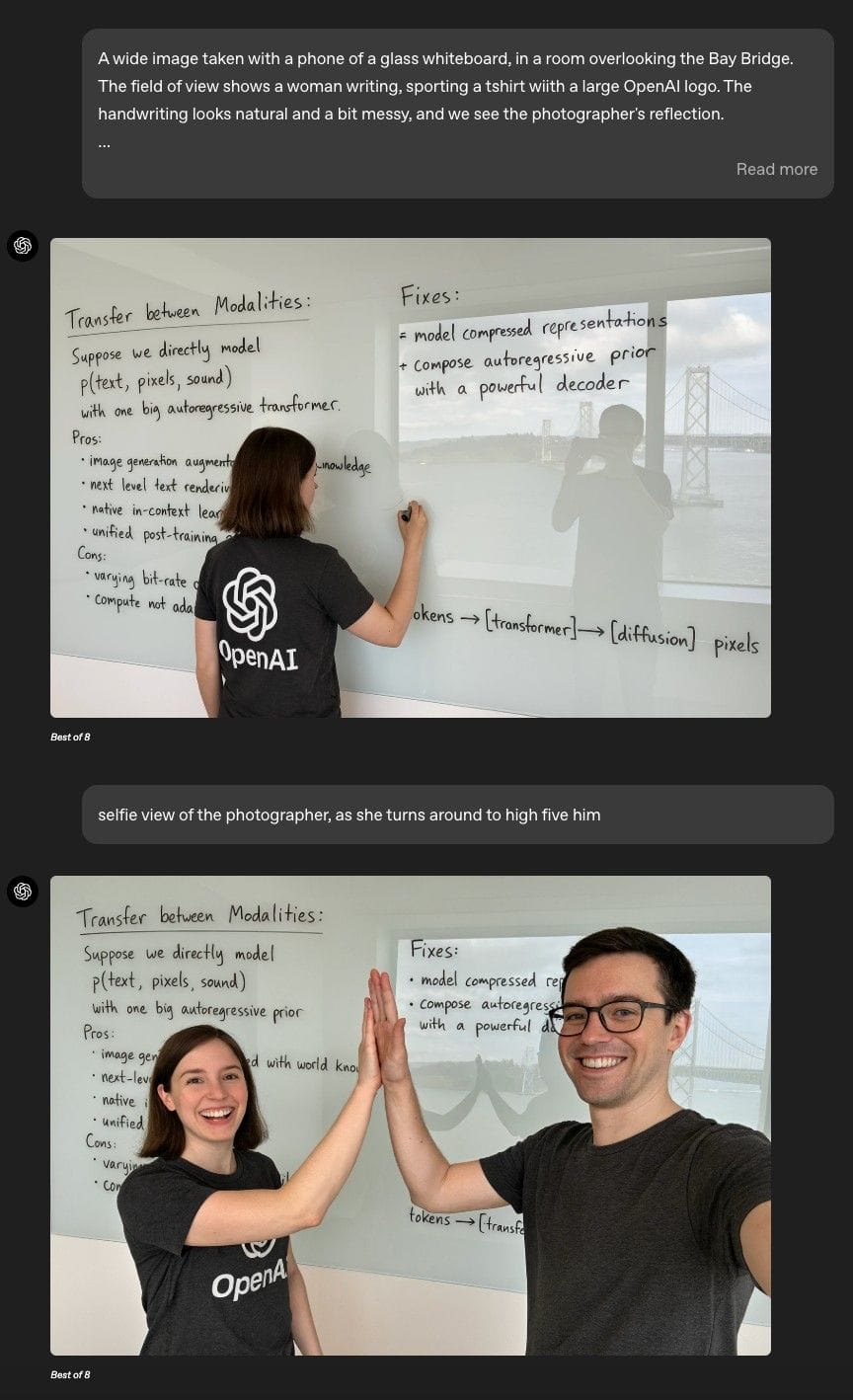
Yes, these are AI-generated images. And they look strikingly real! (Read more).
This poses are critical question for Car insurance inspections - Could users now generate fake vehicle damage photos and submit them as part of fraudulent claims?
Linas Beliūnas raised the same query on LinkedIn a few days ago. Honestly, the results generated from the prompts are quite impressive.
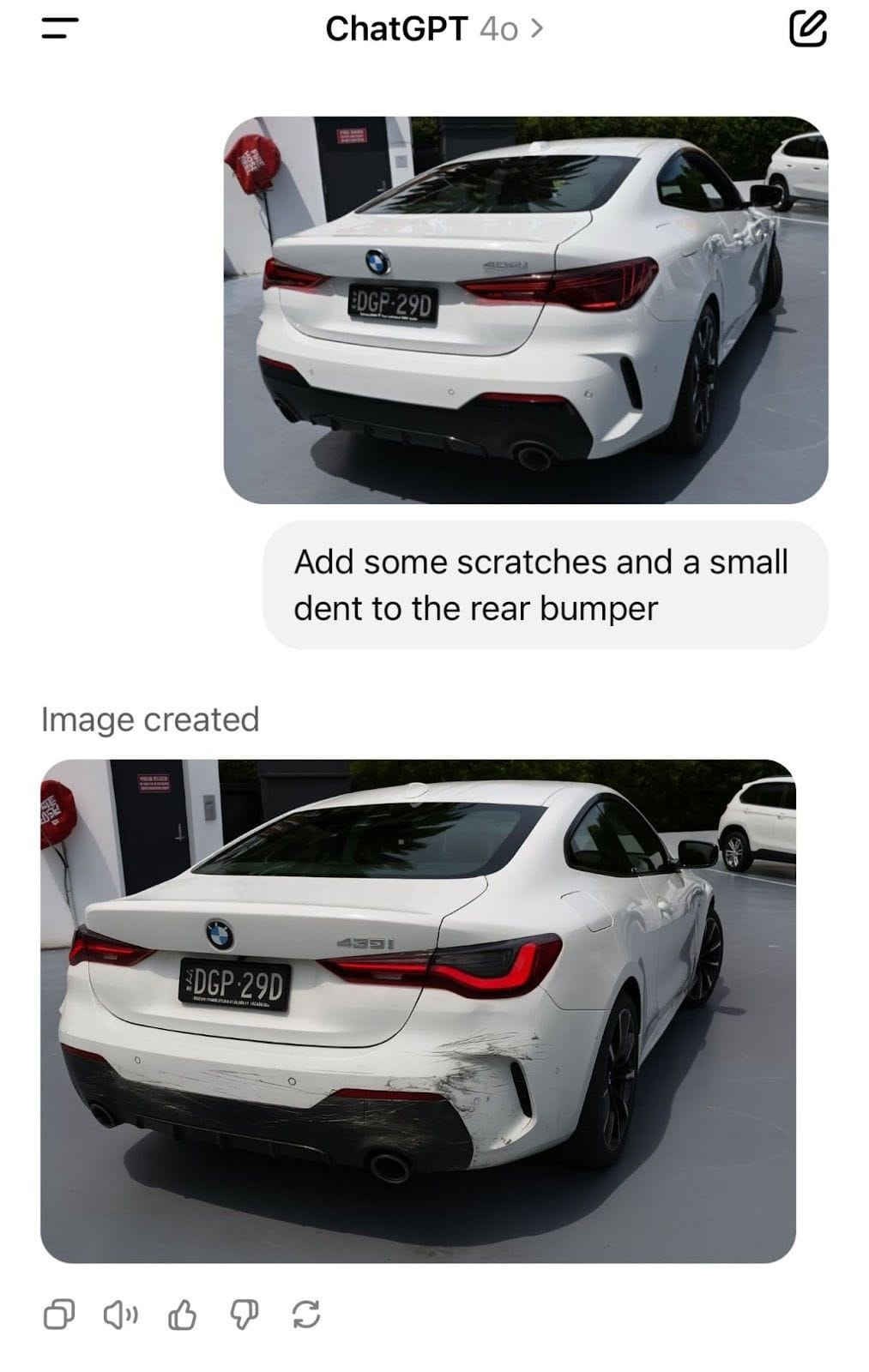
Given that Insurance fraud costs U.S. insurers more than $80 Billion annually, the threat of AI-generated fake images is very real.
But there’s good news. AI helps in auto insurance fraud by detecting manipulated images, verifying inspection data, and identifying suspicious claim behavior long before it reaches a human reviewer. Inspektlabs builds these capabilities directly into the vehicle inspection workflow.
How Inspektlabs Protects Against Fraud in Car Insurance Inspection
At Inspektlabs, we're already one step ahead. Our vehicle inspection platform is built with AI insurance fraud detection at its core, helping insurers address evolving fraud challenges.
Real-time image & video capture only
The first (and most effective) defense against AI-generated fraud is to prevent users from uploading edited or fabricated images.
That’s why our platform mandates direct capture only. With Inspektlabs’ vehicle inspection tool, users must take photos or videos of the vehicle damage in real time during the car insurance inspection. No previously saved or AI-generated content can be used.
So even if someone creates fake damage images using AI, our system makes it impossible to submit them.
Inspektlabs AI comes with Playback detection
But what if someone tries to “trick” the system by recording a video of a screen displaying a damaged vehicle?
Our AI model can detect that too.
Using Playback detection capabilities, our solution identifies telltale signs of screen captures or pre-recorded media. These cases are flagged automatically as fraud attempts, which is a significant advancement powered by our Insurance claims AI.
Tamper-proof Metadata Analysis
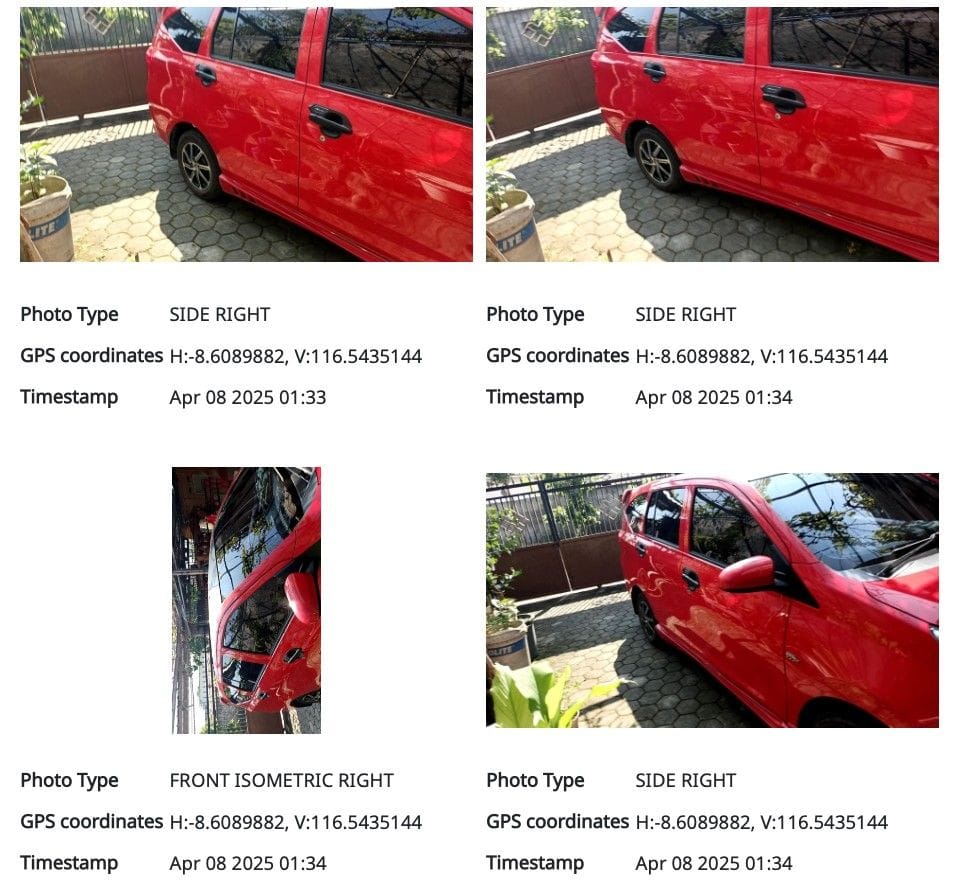
In addition to real-time capture, Inspektlabs tracks and analyzes image metadata i.e., details that AI-generated media can’t reliably spoof.
This includes GPS coordinates, Timestamp data, device ID & camera information, and media encoding details.
Our Insurance Claims AI cross-references this data with image content to ensure authenticity. If anything seems off, it’s flagged for manual review or automatically rejected.
This ensures a secure, verifiable car insurance inspection process, soemething that most traditional methods lack.
Also read - Fraud detection using AI for car damage assessment by Inspektlabs
AI Fraud Detection
Stay ahead of AI-generated insurance fraud
Detect manipulated vehicle images and suspicious claims before they impact your claims process.
There’s more innovation in progress at Inspektlabs
We’re also investing in training deep learning models, including CNNs and Vision Transformers (ViTs), to detect AI-generated vs. real images (Meta is building similar detection systems to protect content integrity on social media platforms).
This future-proofing ensures our platform can adapt, even in workflows where clients allow image uploads.
As the nature of fraud changes, we’re committed to staying one step ahead, and enabling insurers to confidently assess car damage without falling prey to sophisticated manipulation.
The future of car insurance inspections
OpenAI’s image generation advancements are remarkable, but they also present new challenges, especially in fields like car insurance inspections where visual authenticity is very important.
With comprehensive solutions like real-time damage capture, playback detection, metadata tracking, and ongoing innovation in deepfake detection, Inspekltabs is ensuring that the future of vehicle inspections remains secure.
We’re not just identifying fake claims, we’re advancing fraud detection in the automotive industry by equipping insurers with AI-powered vehicle inspection tools and insurance claims AI to make faster, more confident decisions.
Stay tuned for more breakthroughs as we continue building the most advanced, fraud-resistant tools to help insurers accurately assess car damage and streamline the inspection process.
Frequently Asked Questions
1. Can AI-generated images be used to commit car insurance fraud?
Yes. Generative AI can create realistic vehicle damage images that may be submitted as evidence in a fraudulent claim. This makes image authenticity an important part of modern motor insurance inspections. AI-powered vehicle inspection software can address this by combining real-time capture, playback detection, and image-data checks.
2. What should insurers look for in AI-powered vehicle inspection software?
Insurers should look for real-time photo and video capture, fraud detection, vehicle and damage verification, metadata analysis, and integration with existing claims workflows. It is also useful to have automated damage assessment and reporting so the same inspection data can support both fraud screening and claim processing.
3. How can insurers detect AI-generated vehicle damage images
Insurers can combine several checks rather than relying on visual review alone. Real-time capture prevents previously created images from being submitted, while playback detection can identify screen recordings or pre-recorded media. Metadata such as timestamps, GPS, device information, and camera details can provide additional evidence of image authenticity. Inspektlabs combines these controls within its vehicle inspection workflow.
4. How can insurers automate fraud detection during vehicle inspections?
Insurers can embed fraud checks directly into the inspection process instead of reviewing suspicious claims only after submission. An AI vehicle inspection system can check media authenticity, vehicle coverage, metadata, damage patterns, and other fraud indicators during capture, then flag suspicious cases for further review. This allows genuine inspections to move through the workflow while potential fraud is identified earlier.
5. Can AI detect fake vehicle damage photos?
Yes. AI can help identify manipulated or non-genuine vehicle images by analyzing the media itself and checking whether it matches the inspection conditions. Inspektlabs uses real-time capture and playback detection to prevent uploaded or replayed media, while its ongoing image-analysis work is focused on distinguishing AI-generated content from genuine inspection images.